What chiaroscuro and low-key lighting mean
Chiaroscuro is an old painting word for strong contrast between light and dark. In film, you usually get it from low-key lighting. The main light is hard and comes from one side, and very little fill light is added to soften the shadows it throws. Big parts of the frame fall to black, and a face only exists where the light lands on it.
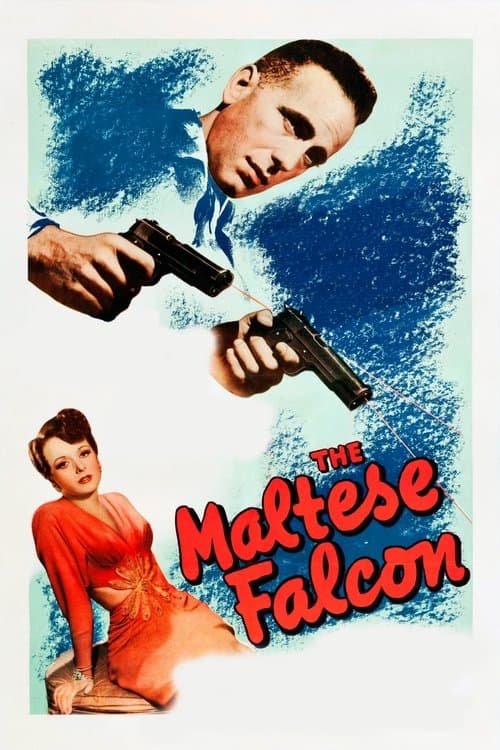
The Maltese Falcon (1941) is a good place to start, since so much later noir copied its look. Spade's office is lit from a single window, and faces drift in and out of that light as people talk. Single lamps light whole rooms, and blinds throw patterns on the walls. Nobody in the film ever gets to stand fully in the light, Spade included. That fits a story where every character is hiding something.
Venetian blinds and the look of guilt
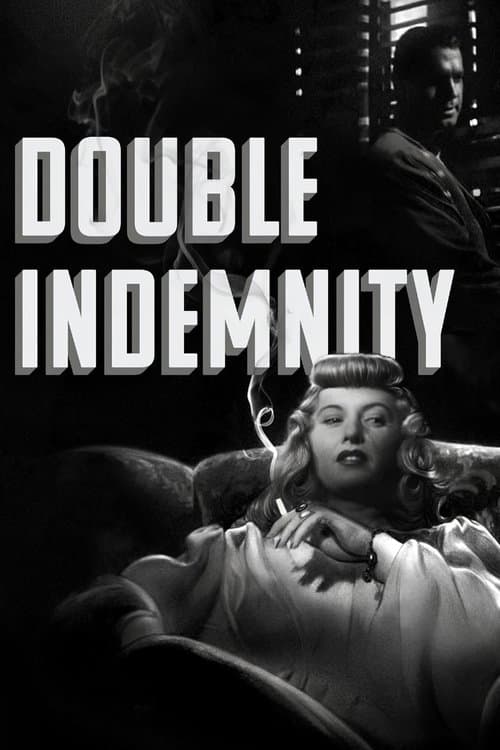
In Double Indemnity (1944), the shadows of venetian blinds fall across faces in diagonal stripes. They look like prison bars, and the characters are wearing them long before anyone gets caught. Phyllis is never fully lit, so you never get a clean read on her. Walter Neff keeps moving between light and shadow, and where he stands tracks how his conscience is doing in that scene.
The light works alongside the narration. Neff tells the story into a Dictaphone while he's bleeding from a gunshot wound. His voice is so clever and funny that you end up on his side anyway. The lighting keeps reminding you where it all ends.
Hiding a face until the scene needs it
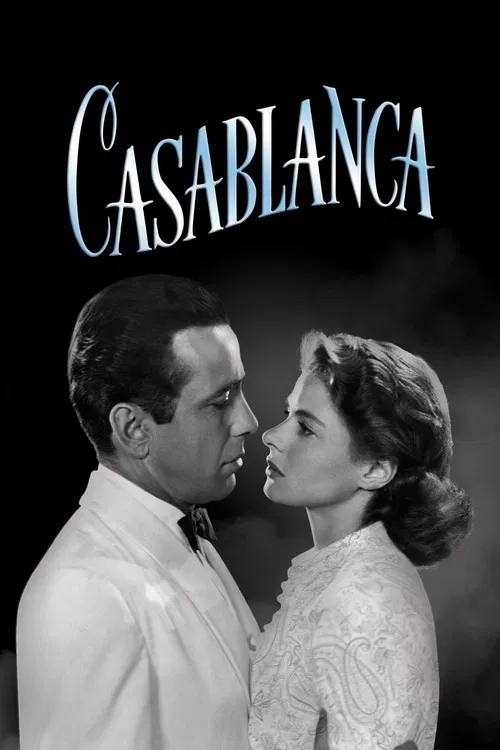
Low-key light is great at holding things back. In Casablanca (1942), Rick is usually lit from behind, so part of his face stays dark. On his first appearance, you see his back first, then half his face in shadow. The film saves his full face for when the scene actually needs it. You always feel like he's keeping something from you, and the lighting is literally doing that.
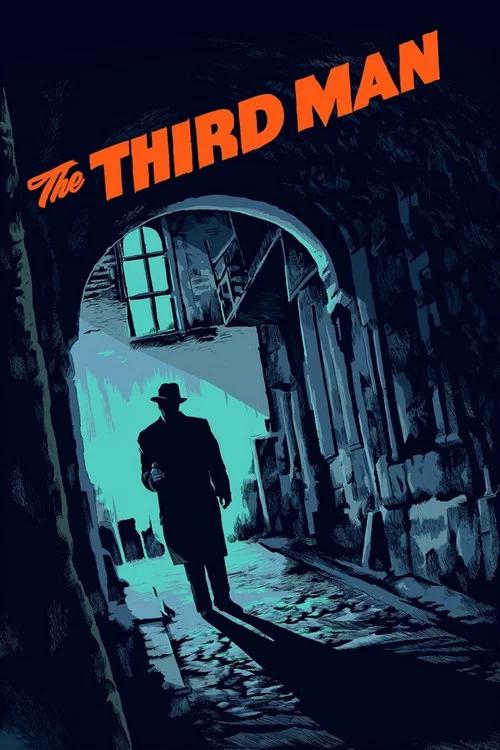
The Third Man (1949) builds its most famous moment the same way. Everyone spends the first stretch of the film looking for Harry Lime. When he finally appears, there's a cat and a shadow in a doorway, and then light suddenly falls on his face. Around that, Vienna is pools of lamplight on wet cobblestones. The camera is also tilted for whole sequences, so the city never sits level.
When the villain lives in the dark
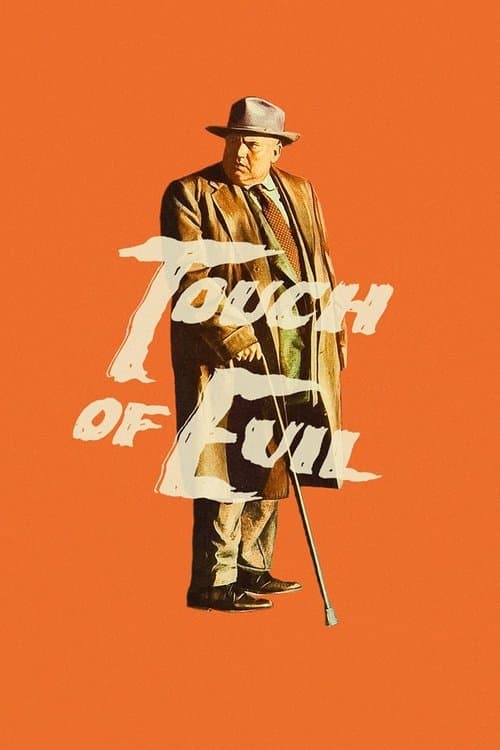
Touch of Evil (1958) pushes the contrast about as far as a Hollywood film of its era goes. Hank Quinlan is nearly always in shadow, and when he is lit, it's usually only half his face. In the motel corridors, the darkness pretty much swallows him. Quinlan is corrupt, so he brings the dark with him, even indoors.
Welles also tilts the camera hard during the interrogation scenes. The police look as unsteady as everyone else. If you watch it right after The Maltese Falcon, you can see the same toolkit used with a lot less restraint.
Noir in color
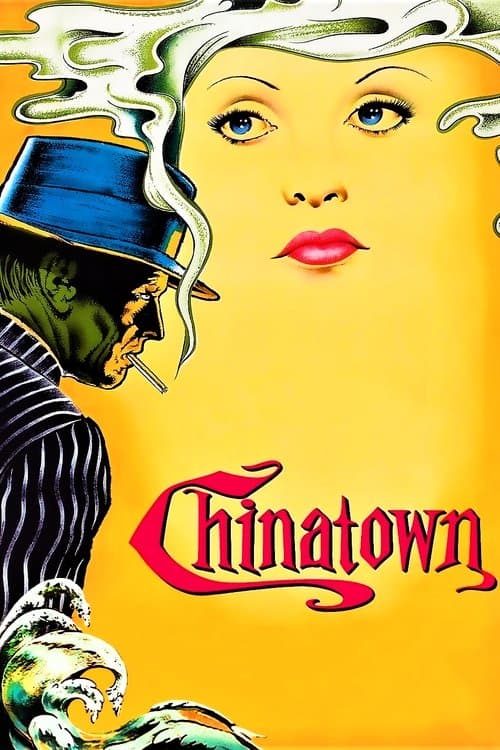
Chinatown (1974) keeps the noir lighting and flips one of its habits. Noah Cross, the most powerful man in the story, is often in full light. He has nothing to hide because nothing can touch him. Evelyn is the one kept in shadow, only partly visible, since her secret is her only protection. At the Mulwray estate, Cross stands in sunlight while she pulls back into a dark room. Amber and ochre tones make 1930s Los Angeles look hot and slowly rotting.
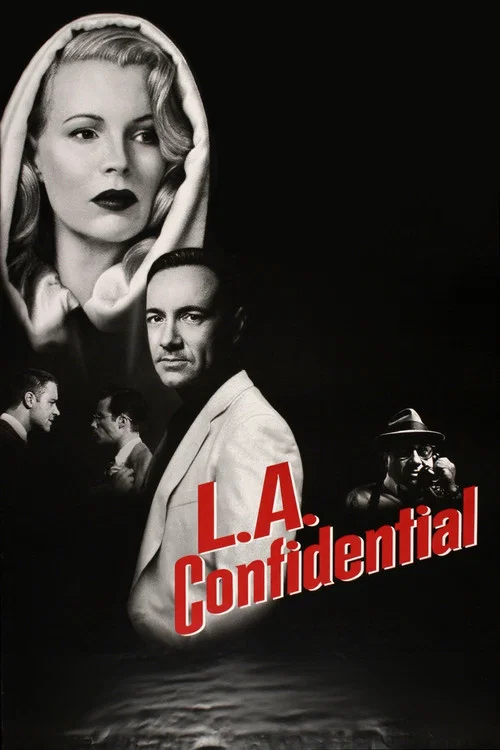
L.A. Confidential (1997) puts 1953 Los Angeles in golden suburban sunlight and keeps the corruption in deep shadow under it. After the Nite Owl massacre, the crime scene photographers' flashes go off blue-white against the dark diner. The opening montage of the postwar boom is all warm color, and the film darkens that picture as it goes.
Noir moved into the future
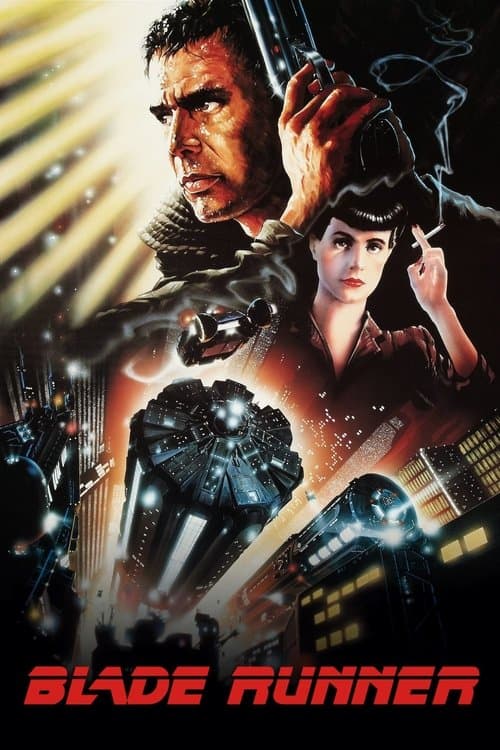
Blade Runner (1982) shows how far the style can travel. The interiors use the classic tools, with blind shadows and faces half in darkness. What's new is neon color bleeding through windows streaked with rain. In the Bradbury Building, light filters through old, decaying ironwork, and the space looks beautiful and dangerous at the same time. The lighting ties a future Los Angeles back to the moral gray zone of 1940s detective stories.
How to use this when you watch
Next time you watch a noir, pick one character and follow where the light sits on their face from scene to scene. Ask where the light is coming from and who gets to stand in it. Usually, that tells you who is hiding something, and in a good noir it often tells you a few scenes before the plot does.
More guides
- How Directors Build Suspense: 8 Films That Show You How
- Unreliable Narrator Movies Explained: 9 Films That Fool You
- Non-Linear Movies Explained: 8 Films Told Out of Order
- Long Takes and Oners Explained: 9 Famous One-Shot Scenes
- How Color Tells the Story: 9 Films With Meaningful Palettes
- Best Films to Study Cinematography: 10 Films and What to Watch