Science Fiction · Thriller

Twelve Monkeys

Terry Gilliam, 1995

In 2035, convict James Cole is sent back in time to find the source of a virus that wiped out most of humanity. He lands in the wrong years, gets locked in a psychiatric hospital and starts to doubt his own mission. Gilliam fills the frame with tilted angles and cluttered sets that keep both eras off balance.

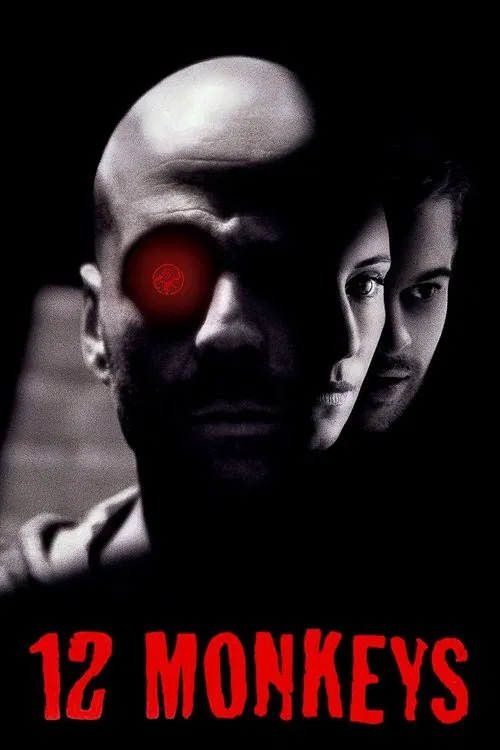
Twelve Monkeys (1995) poster

At a glance

Twelve Monkeys is a 1995 science fiction and thriller film directed by Terry Gilliam. This breakdown covers 5 techniques (2 narrative, 1 psychology and 2 cinematography), each with the scene where you can see it. If you like how it is made, City of Women uses several of the same techniques.

Narrative

Circular Structure

Ending the film where it started, or with a scene that echoes the opening. The repeat shows what has changed, or suggests the cycle will keep going.

How this film uses it

Cole keeps dreaming of a man shot in an airport while a small boy watches. The ending returns to that airport and turns the dream into a memory. The loop tells you his path was fixed from the first scene.

Where to see it

The airport finale. Cole tries to stop Peters and is shot by airport security while a boy looks on, and the opening dream finally makes sense.
Psychology

Unreliable Reality

Keeping it unclear what is real and what is imagined in the film's world. You end up as unsure as the main character.

How this film uses it

Doctors in 1990 listen to Cole describe a plague and a future and treat him as delusional. Even Dr. Railly, who later helps him, has to ask whether he is mad. You stay unsure whether he is a time traveler or a man who invented the future.

Where to see it

The psychiatric hospital in Baltimore. Cole tells the doctors he comes from the future, and they commit him.

Cinematography

Dutch Angle

Tilting the camera sideways so the horizon runs diagonally across the frame. The crooked picture makes a scene feel unstable, uneasy or morally off.

How this film uses it

Gilliam tilts the camera again and again, so the horizon sits crooked. The slanted picture makes the world feel slightly broken. It matches Cole's sense that nothing around him is stable.

Where to see it

The hospital scenes. Cole sits among patients and doctors while the frame leans, and you share his feeling of being out of step.

Cinematography

Production Design as Psychological Space

Designing the sets to reflect what is going on inside a character. The place they live in tells you things about them that the dialogue doesn't.

How this film uses it

The 2035 prison world sits beneath the ruins of Philadelphia, a cramped maze of cages, pipes and makeshift machines. The mess shows a society that survived but never recovered. You understand why Cole would risk anything for a pardon.

Where to see it

The underground prison and the scientists' briefing. Cole is picked for a mission to the past in exchange for a pardon.

Narrative

Unheeded Warning Structure

Giving a character the truth about a coming disaster, then having everyone around them dismiss it as madness. You watch the warning fail.

How this film uses it

Railly lectures on the Cassandra complex, the myth of a prophet nobody believes. Cole is that prophet. He tries to warn people about the virus, and the people who could act on it write him off as insane.

Where to see it

Railly's public lecture in 1996. She explains the Cassandra complex, and soon after the event Cole kidnaps her.

Questions

Twelve Monkeys: quick answers

What filmmaking techniques does Twelve Monkeys use?
CineCode breaks down 5 techniques in Twelve Monkeys (1995): Circular Structure, Unreliable Reality, Dutch Angle, Production Design as Psychological Space and Unheeded Warning Structure.
Who directed Twelve Monkeys?
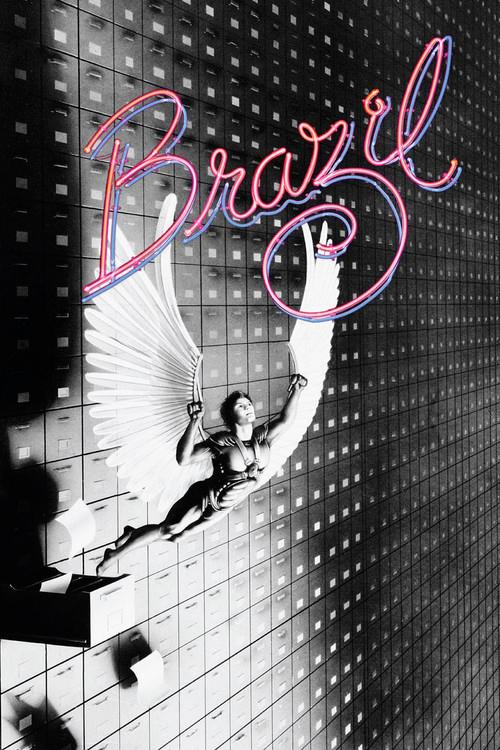
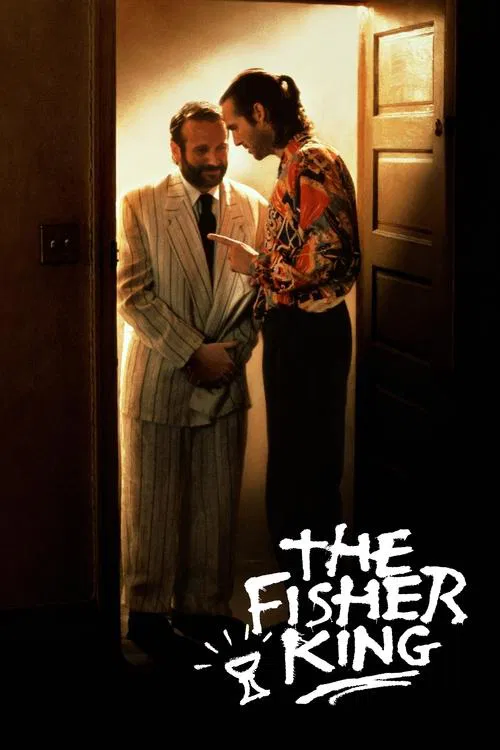
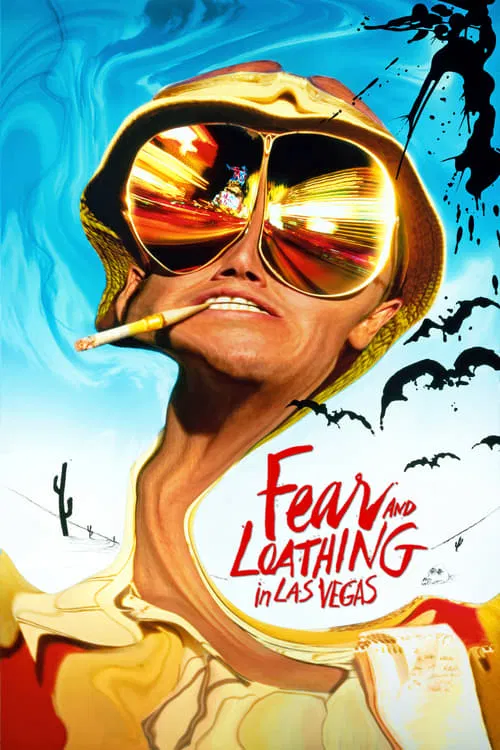
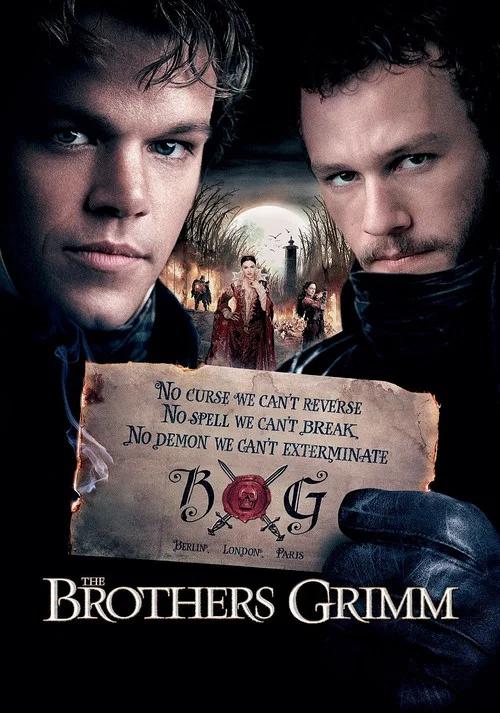
Terry Gilliam directed Twelve Monkeys, released in 1995. CineCode also covers Monty Python and the Holy Grail (1975), Time Bandits (1981), Brazil (1985), The Fisher King (1991), Fear and Loathing in Las Vegas (1998), The Brothers Grimm (2005).
What films are similar to Twelve Monkeys?
Films that share techniques with Twelve Monkeys include City of Women (1980), 8½ (1963), Synecdoche, New York (2008), Fanny and Alexander (1982).

Side by side

Compare it with