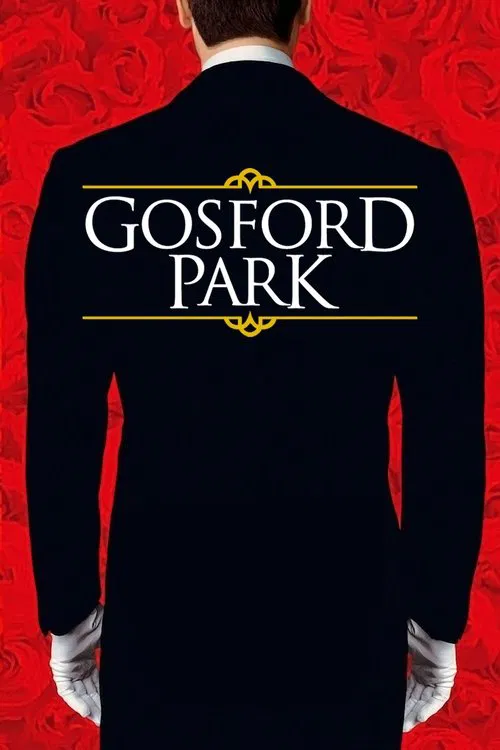
A weekend shooting party at an English country estate in 1932 brings together aristocrats and their servants. They live in the same building but in completely different worlds. When a murder happens, the investigation reveals that the house's real secrets belong to both floors. Robert Altman's film takes class apart and shows it as a system where neither side understands the other.
Gosford Park is a 2001 drama, mystery and comedy film directed by Robert Altman. This breakdown covers 4 techniques (1 cinematography and 3 narrative), each with the scene where you can see it. If you like how it is made, The Zone of Interest uses several of the same techniques.
Contrasting the buildings and rooms different social classes live in. The powerful get large, warm spaces and the powerless get cramped or exposed ones, so you see a gap nobody says aloud.
How this film uses it
Altman uses the layout of the house, with the aristocrats' rooms upstairs and the servants' corridors downstairs, as a physical diagram of the class system. The camera moves between floors with an ease the characters themselves don't have.
Where to see it
The camera moving from the dining room to the kitchen. You experience the same meal twice from opposite sides of the same wall. That division in the building holds pretty much everything the film is about.
Introducing a large cast only through what they say and do in the present. There are no flashbacks or explained histories, yet each character feels distinct.
How this film uses it
Altman introduces 30 significant characters across 2 floors and explains none of them. You know each one by their social role, their relationship to other characters and what they do in the present, during the house party. The mystery plot is there mainly as a way to reveal character.
Where to see it
The arrival sequence. A stream of cars drops off guests, servants greet them and names are spoken but not explained. You pick up the relationships from the social routine of the house party, and nobody states them.
Building the story around an institution's code of honor, often a military one, and showing the gap between what it claims and what it does. The code ends up protecting power.
How this film uses it
The servants live by a code of loyalty (to each other, to the house, to the family). The murder mystery exposes that code as a system that demands you give up yourself in exchange for belonging. The crime gets solved by understanding the institution, and the individual matters less.
Where to see it
Mrs. Wilson's revelation about her own history with Sir William. The life the housekeeper kept hidden finally comes into view. The institution demanded that she bury herself in her role, and the film shows that demand as its real crime.
Watching events from a measured distance with no swelling music, tear-jerking close-ups or showy camera moves. The film trusts what happens to carry the weight on its own.
How this film uses it
Altman films the house party with the patience of an anthropologist watching a social system from outside it. The camera catches conversations at odd angles and hears only parts of exchanges. Watching this way shows how fascinated the film is by a world it refuses to fully enter.
Where to see it
The overlapping conversations during dinner. The camera moves between tables and catches fragments. No single exchange is fully heard, and the pieces still add up to a complete portrait of this social world.
Questions
Gosford Park: quick answers
What filmmaking techniques does Gosford Park use?
CineCode breaks down 4 techniques in Gosford Park (2001): Architectural Class Opposition, Ensemble Characterization Without Backstory, Institutional Honor Critique and Observational Restraint.
Who directed Gosford Park?
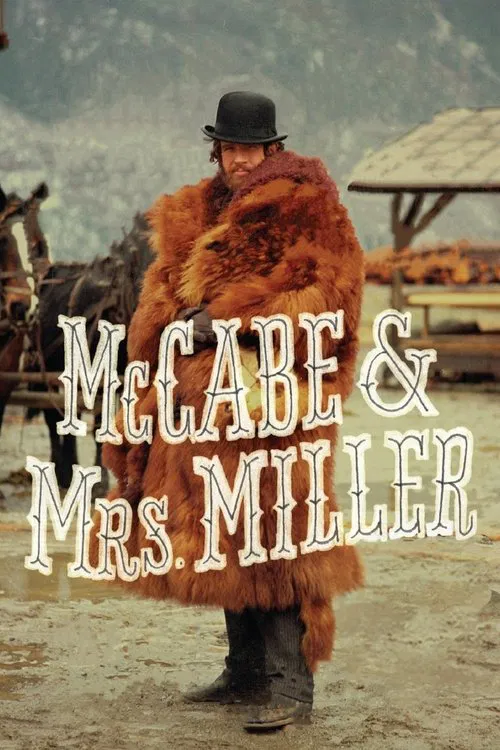
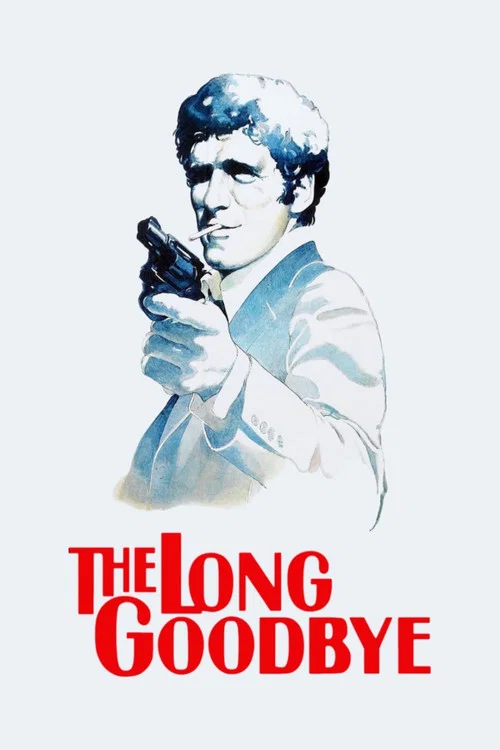
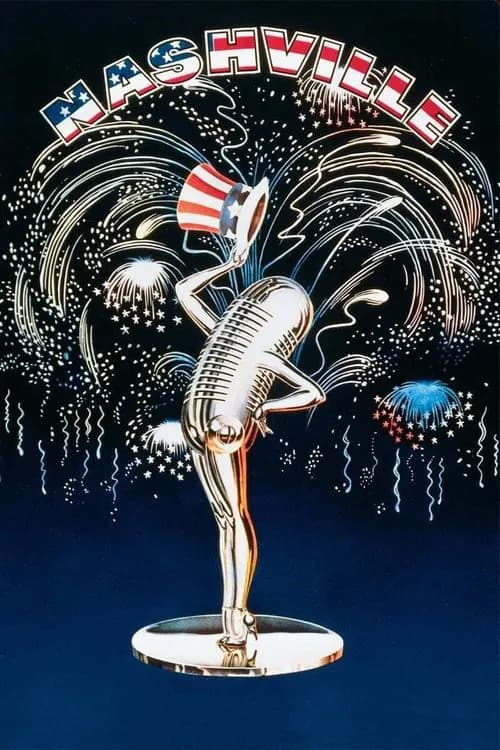
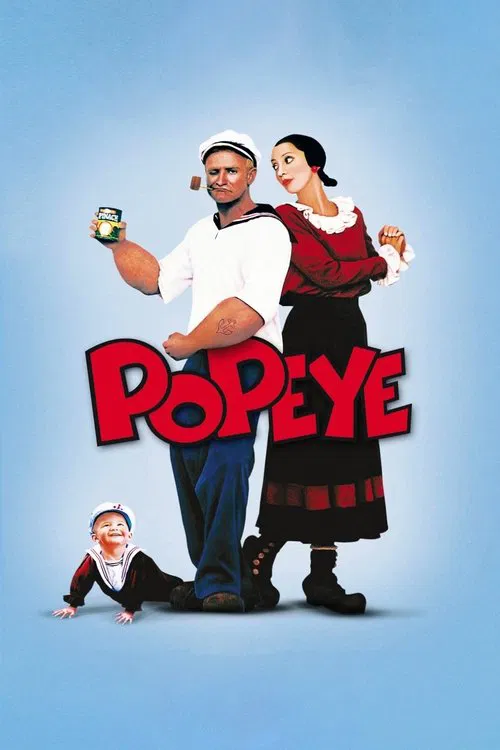
Robert Altman directed Gosford Park, released in 2001. CineCode also covers M*A*S*H (1970), McCabe & Mrs. Miller (1971), The Long Goodbye (1973), Nashville (1975), 3 Women (1977), Popeye (1980).
What films are similar to Gosford Park?
Films that share techniques with Gosford Park include The Zone of Interest (2023), 12 Angry Men (1957), The Pianist (2002), Harakiri (1962).