Horror · Science Fiction

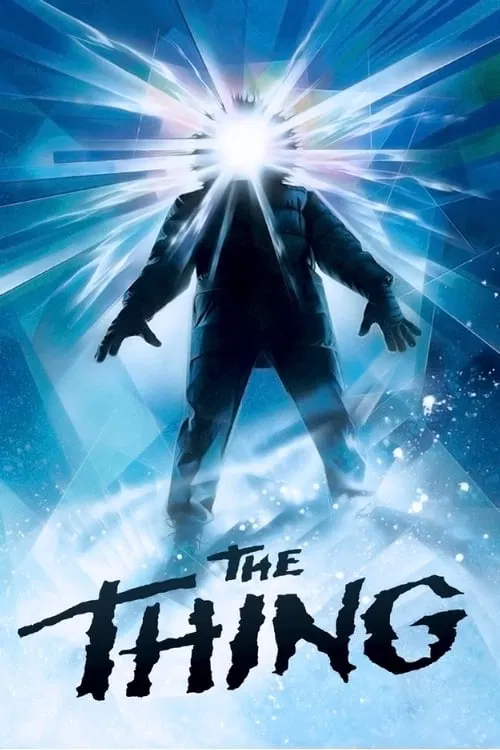
The Thing

John Carpenter, 1982

12 men at a remote Antarctic research station take in a sled dog chased by a Norwegian helicopter. The dog is an alien that can copy any living thing it absorbs. Soon nobody knows who is still human. Critics hated it in 1982, and now it's seen as one of the best horror films. Watch it for the practical creature effects and the paranoia.

The Thing (1982) poster

At a glance

The Thing is a 1982 horror and science fiction film directed by John Carpenter. This breakdown covers 5 techniques (2 cinematography, 1 psychology and 2 narrative), each with the scene where you can see it. If you like how it is made, The Substance uses several of the same techniques.

Cinematography

Practical In-Camera Effects

Creating effects physically on set with makeup, prosthetics, built props and camera tricks, with no computer graphics added later. The results look solid and real.

How this film uses it

Rob Bottin built the creature effects on set from latex, puppets and gooey materials like mayonnaise and creamed corn. Stan Winston helped with the dog creature. Because it is all physical, the bodies look wet and heavy in a way that still holds up.

Where to see it

Norris's heart attack. Dr. Copper tries to shock Norris back to life, and Norris's chest opens into a huge mouth that bites off Copper's arms.

Psychology

Body Horror

Showing the human body being changed, damaged or falling apart. The horror works because you imagine it happening to your own body, and it often stands for mental suffering.

How this film uses it

The Thing kills by pulling bodies apart and rebuilding them into something else. Watching a dog split open and sprout tentacles makes you think about how little protects your own body.

Where to see it

The kennel scene. The new sled dog transforms in front of the other dogs and starts absorbing them, until Childs burns it with a flamethrower.

Narrative

Paranoid Ensemble

Making any member of a group a possible hidden enemy, so every face could be lying. You study the characters for clues the same way they study each other.

How this film uses it

Any of the men could be the Thing, and they know it. Friends tie each other up and point flamethrowers at each other. You find yourself checking every face too, guessing who has already been replaced.

Where to see it

The blood test. MacReady ties the survivors to a couch and touches a hot wire to a dish of each man's blood, and Palmer's blood leaps out of the dish.

Narrative

Ensemble Characterization Without Backstory

Introducing a large cast only through what they say and do in the present. There are no flashbacks or explained histories, yet each character feels distinct.

How this film uses it

You learn almost nothing about where these 12 men came from. You get to know them through how they talk, argue and react under pressure. That is enough to tell them apart, and it keeps the focus on who you can trust right now.

Where to see it

MacReady's chess game. Alone in his shack, MacReady loses to a chess computer and pours his drink into its circuits.

Cinematography

Single-Location Cinematography

Shooting almost the whole film in 1 confined place. Set design and camera movement keep it visually interesting, and the space itself takes on meaning as the story goes on.

How this film uses it

Nearly the whole film stays inside or right outside 1 research station called Outpost 31. Dean Cundey shot it in wide anamorphic frames, which leave lots of dark space around the men. There is nowhere to run, and the station gets smaller as it gets destroyed.

Where to see it

The ending. MacReady and Childs sit in the snow beside the burning station and share a bottle of whisky. Neither knows if the other is human.

Questions

The Thing: quick answers

What filmmaking techniques does The Thing use?
CineCode breaks down 5 techniques in The Thing (1982): Practical In-Camera Effects, Body Horror, Paranoid Ensemble, Ensemble Characterization Without Backstory and Single-Location Cinematography.
Who directed The Thing?
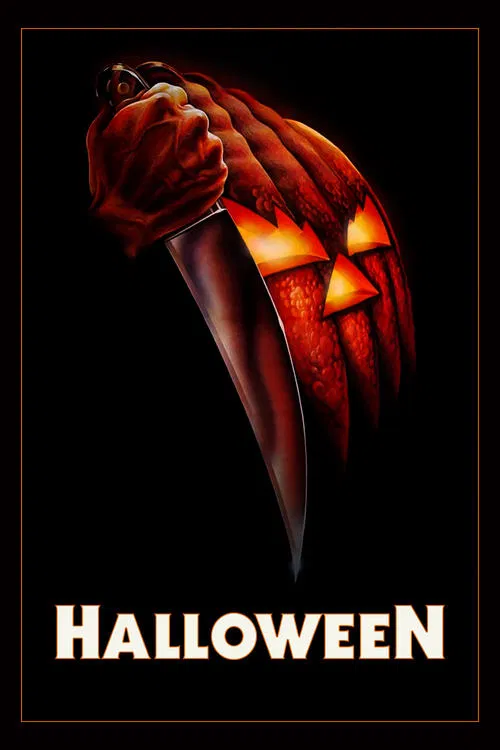
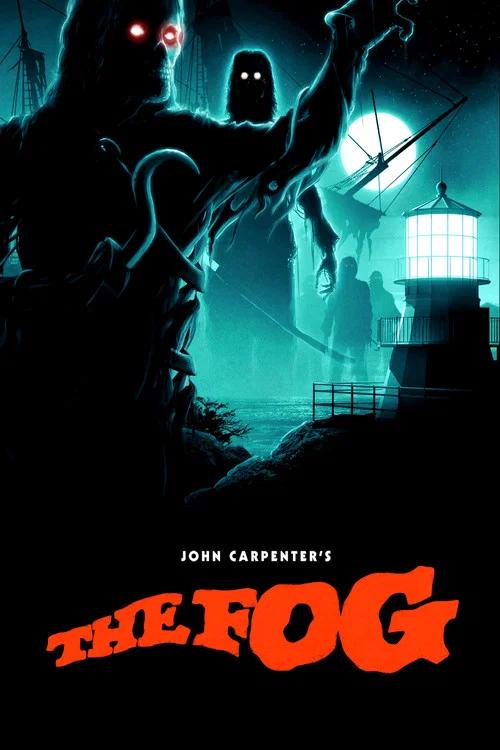
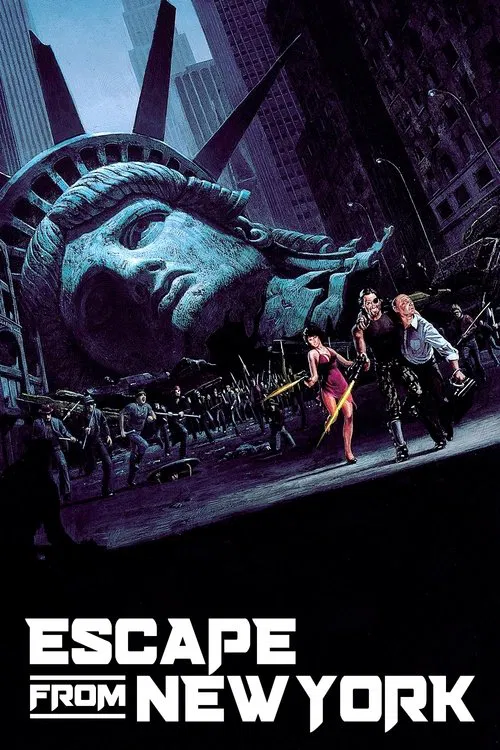
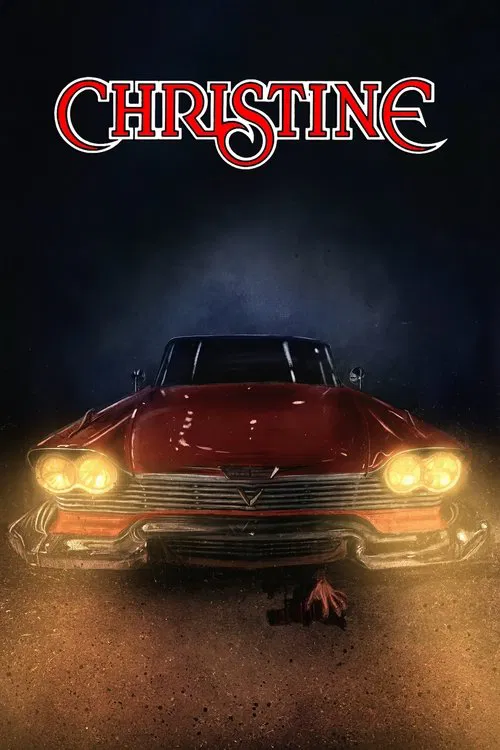
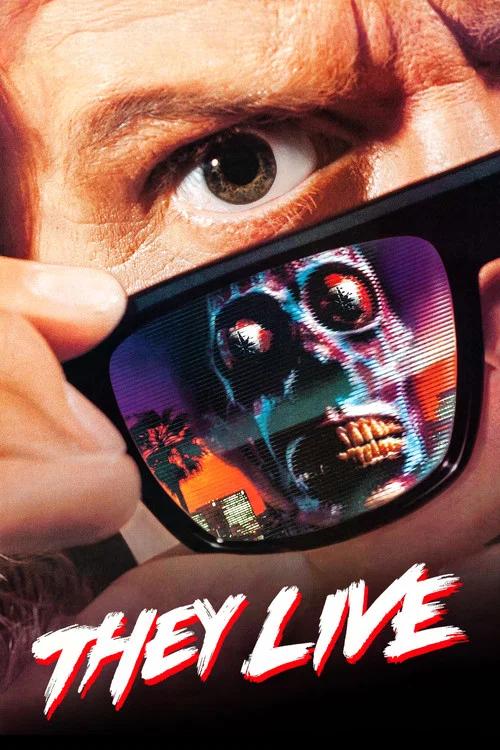
John Carpenter directed The Thing, released in 1982. CineCode also covers Halloween (1978), The Fog (1980), Escape from New York (1981), Christine (1983), Big Trouble in Little China (1986), They Live (1988).
What films are similar to The Thing?
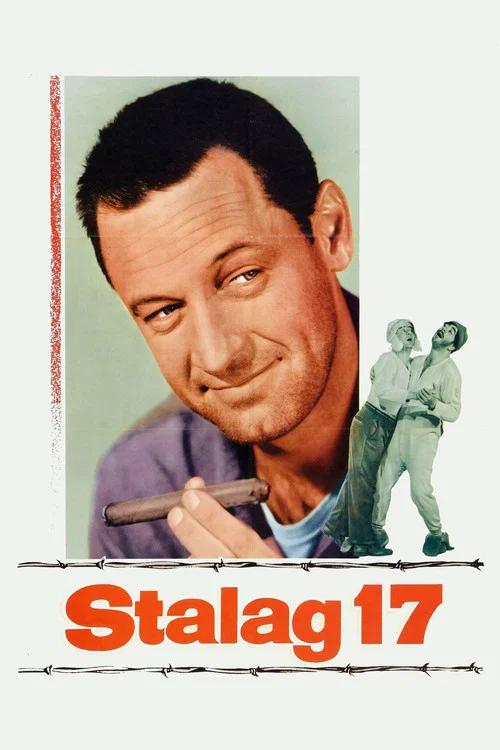
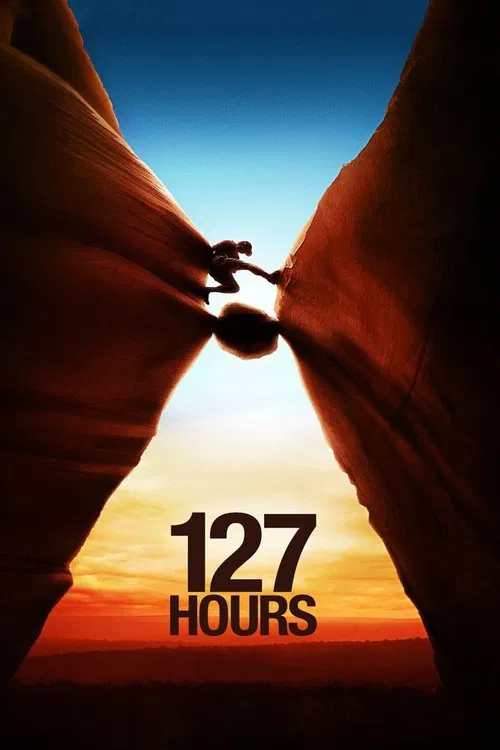
Films that share techniques with The Thing include The Substance (2024), The Lady Vanishes (1938), Stalag 17 (1953), 127 Hours (2010).