Cinematography technique · used in 18 films

Color Symbolism

Giving specific colors to characters, groups or ideas and sticking to them through the film. Each time a color appears, it tells you something beyond what is shown.

Examples

18 films that use it

  1. Marnie (1964) poster

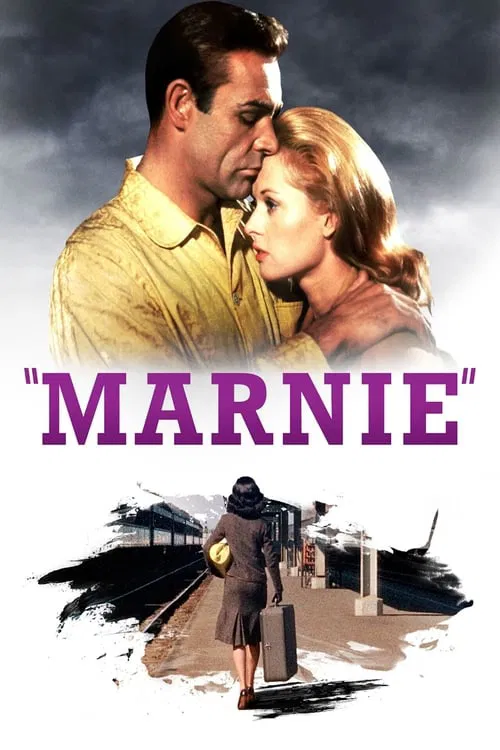
    Marnie

    Alfred Hitchcock · 1964

    Red sets off Marnie's hysteria, so the color keeps returning in objects around her. It tells you something is wrong inside her before she can say it. When it comes up at the fox hunt, the result is a tragedy.

    Where to see it: The fox hunt. A hunter's red riding coat triggers Marnie, her horse Forio bolts, misses a jump and is badly hurt. Marnie shoots the horse.
  2. Fahrenheit 451 (1966) poster

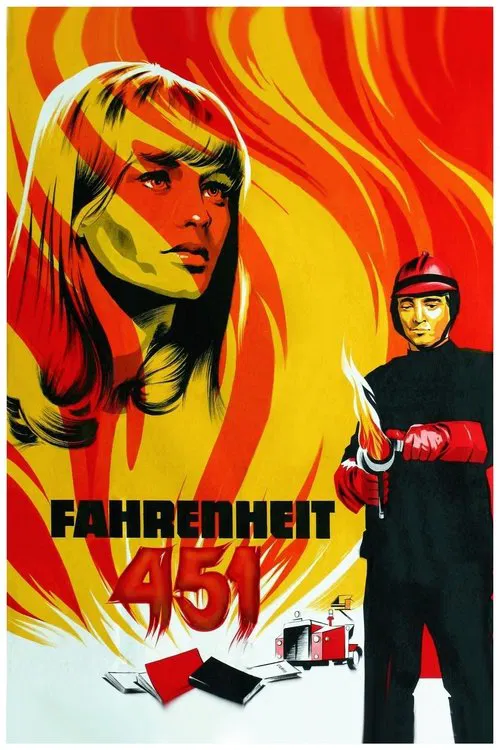
    Fahrenheit 451

    François Truffaut · 1966

    The firemen's bright red engine stands out against the plain suburban streets. Red is the color of the state's power and of fire. It tells you who has control before anyone speaks.

    Where to see it: The fire engine's rounds. The firemen drive through town to find and burn hidden books.

  3. Cries and Whispers (1972) poster

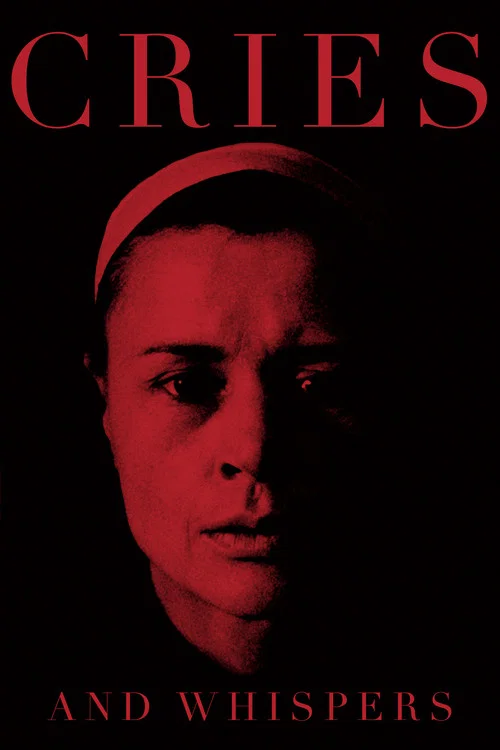
    Cries and Whispers

    Ingmar Bergman · 1972

    Women in white move through rooms with saturated red walls and carpets. The red is in every scene, so it starts to feel like the inside of a body or a mind. Each time you see it, the film is telling you something about the emotional state of the house.

    Where to see it: The red rooms: white-clad women are placed against red walls and carpets throughout the mansion.

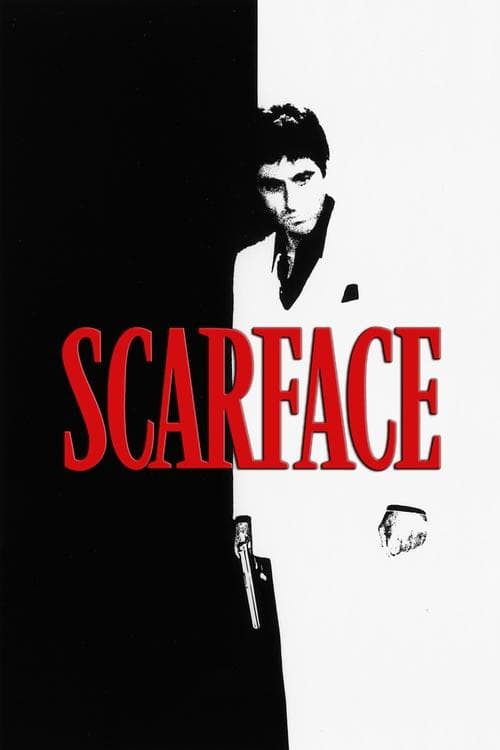
  4. Scarface (1983) poster

    Scarface

    Brian De Palma · 1983

    White is everywhere in the film: the cocaine, Tony's suits, his mansion's décor. It is literally the stuff he rises on. It also shows him reaching for a purity he will never have. The color is seductive and emptied of meaning at the same time.

    Where to see it: The film's visual climax: Tony's face in the mound of cocaine. The white powder covers him. It is the exact color of everything he wanted and everything it cost.

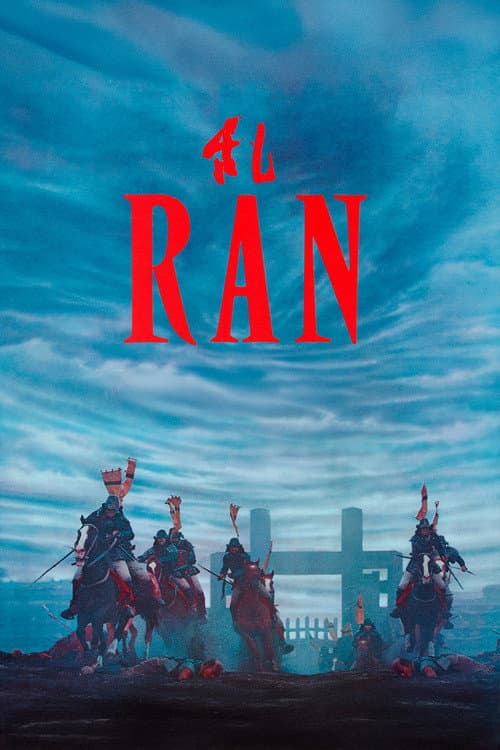
  5. Ran (1985) poster

    Ran

    Akira Kurosawa · 1985

    Each of Hidetora's 3 sons commands an army dressed entirely in 1 color: yellow, red and blue. The colors let Kurosawa stage battles like abstract paintings. When the colors mix and get destroyed, you're seeing the collapse of the order Hidetora divided.

    Where to see it: The Third Castle assault. The armies collide in full color. The flags and armor fill the screen, and you can read it as military strategy and as emotional chaos.

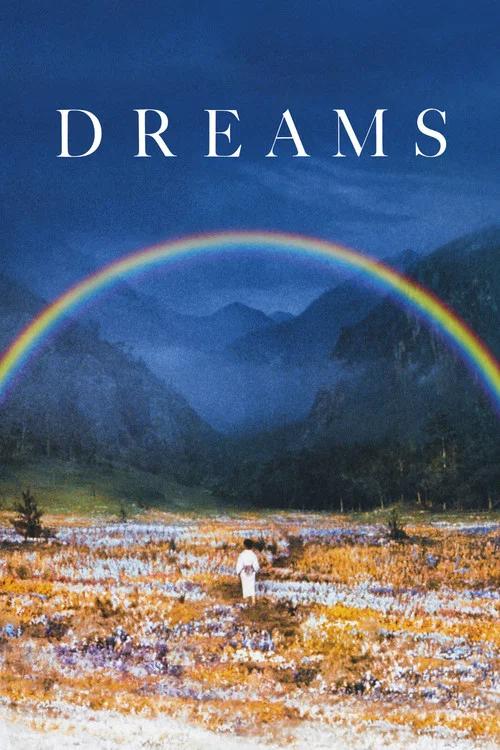
  6. Dreams (1990) poster

    Dreams

    Akira Kurosawa · 1990

    In Mount Fuji in Red, the poison clouds from a burst nuclear plant are dyed to show which deadly element they carry. A man explains red, yellow and purple to the survivors, and then the colors roll in. The bright colors make the danger visible and almost pretty.

    Where to see it: Mount Fuji in Red. A family stands at the edge of the sea while red, yellow and purple clouds sweep toward them.

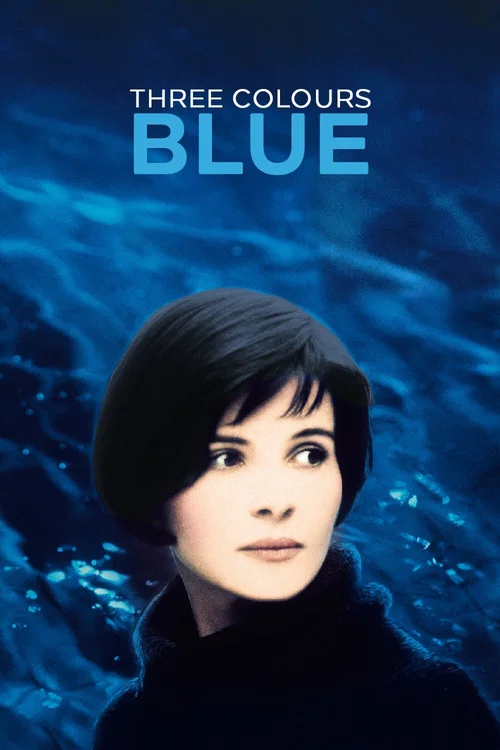
  7. Three Colors: Blue (1993) poster

    Three Colors: Blue

    Krzysztof Kieślowski · 1993

    Blue is all over Julie's world. It is the main light in her apartment, the lollipop she finds in her bag and the pool she swims in. It is the color of Liberty in the French tricolor flag. I feel like the film uses it to ask what freedom costs when it means cutting yourself off completely.

    Where to see it: The blue mobile of beads from her old house, hung in her new apartment. It is the one object she kept. Its blue ties her to the life she is trying to leave behind.

  8. Three Colors: Red (1994) poster

    Three Colors: Red

    Krzysztof Kieślowski · 1994

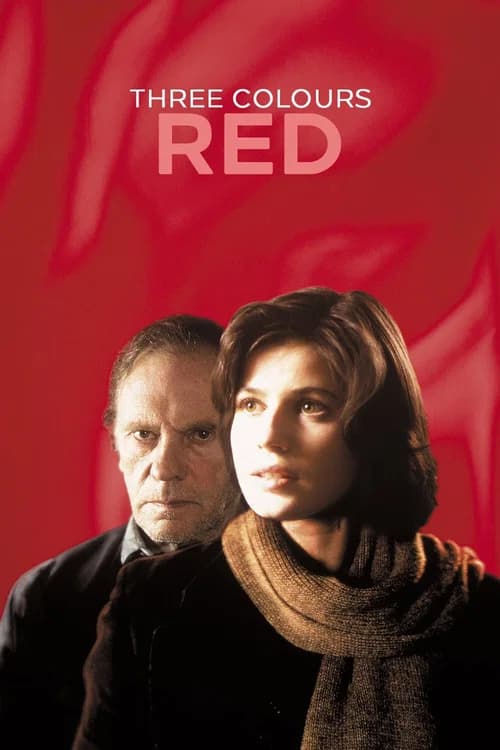
    Red stands for fraternity in the French tricolor flag, and it fills Valentine's world with the warmth of human connection. You see it in her clothing, on billboards and in the film's signature poster image. Every time it shows up, the film is telling you this story is about the chance of being truly known.

    Where to see it: The billboard of Valentine's face in red. Her image is oversized and simplified, on show to the public in a way her inner life isn't. The red marks how visible she is and how private she stays.

  9. Titanic (1997) poster

    Titanic

    James Cameron · 1997

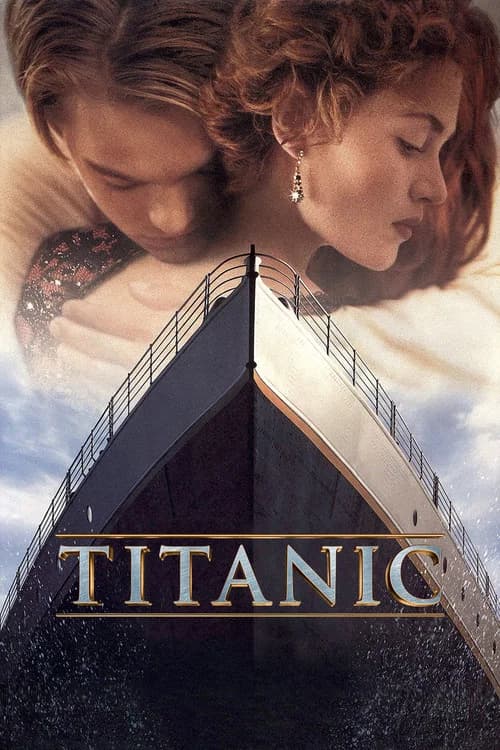
    The Heart of the Ocean, a vivid blue diamond, connects the romance and the catastrophe in the film. Its color echoes the sea, which defines the romance and also destroys it.

    Where to see it: Rose wearing the blue diamond for the nude portrait. The object links desire, class and mortality in a single frame.

  10. American Beauty (1999) poster

    American Beauty

    Sam Mendes · 1999

    Red roses show up in Carolyn's garden and in the famous rose-petal fantasy sequences around Angela. They become the film's visual signature for repressed desire, and for the gap between what America promises and what it delivers.

    Where to see it: Angela lying in a bed of red rose petals in Lester's fantasy. Here, beauty is both an ideal and a delusion, and desire is both a liberation and a trap.

  11. Mulholland Drive (2001) poster

    Mulholland Drive

    David Lynch · 2001

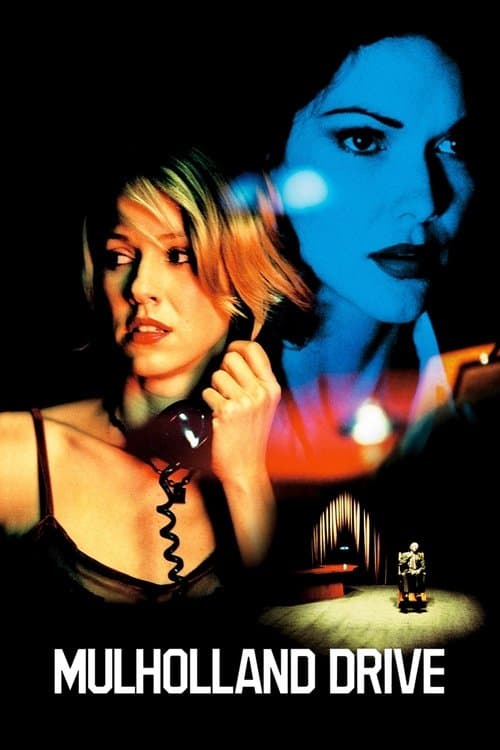
    Red goes with danger and erotic obsession (the lamp, Camilla's lipstick). Blue stands for the emptiness of depression and death (the box, the key, the final lighting).

    Where to see it: The Club Silencio sequence. The whole scene is lit in deep blue.

  12. Far from Heaven (2002) poster

    Far from Heaven

    Todd Haynes · 2002

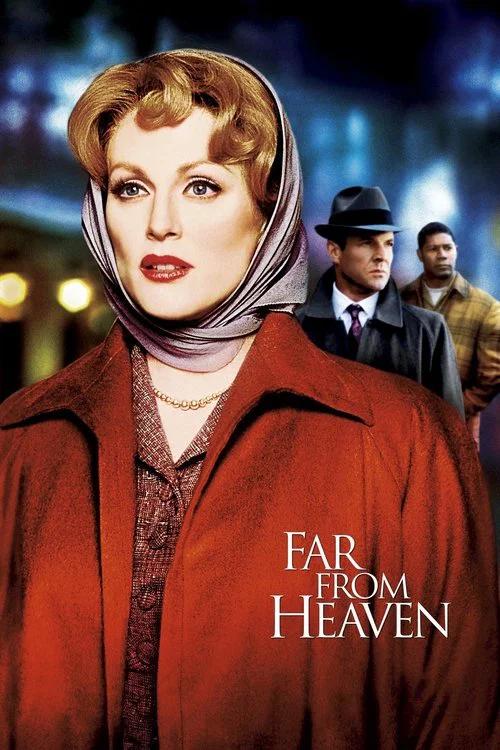
    Each scene has its own color plan. Autumn oranges run through the film, blue shows up around the failing marriage, and green light marks forbidden places like the gay bar and the Black restaurant. The colors tell you how risky a place is.

    Where to see it: The gay bar and the restaurant. Both places are lit in green, which marks them as spaces the neighbors would not accept.

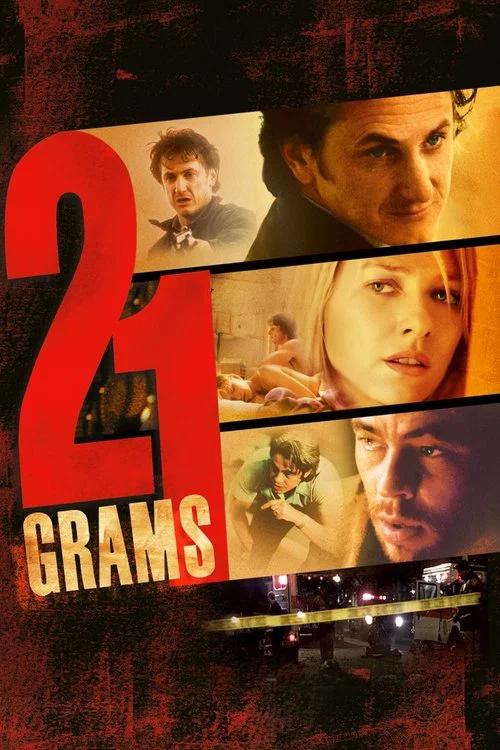
  13. 21 Grams (2003) poster

    21 Grams

    Alejandro González Iñárritu · 2003

    Cinematographer Rodrigo Prieto gave each story its own color. Paul's story uses cool colors, Jack's uses warm colors and Cristina's is neutral. The colors help you place the scene in the jumbled timeline.

    Where to see it: Color coding: Paul's storyline is pictured in cool colors, Jack's in warm colors and Cristina's in neutral tones, with different film stocks used as things get more complex.

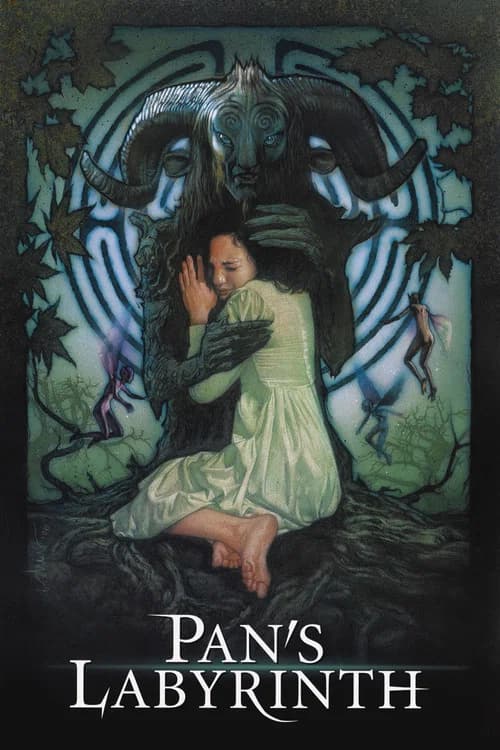
  14. Pan's Labyrinth (2006) poster

    Pan's Labyrinth

    Guillermo del Toro · 2006

    The fantasy world is full of warm golds and deep greens, so it feels organic, alive and ancient. The real world has its color drained down to cold greens and military grey, so it feels artificial, institutional and dead. The colors make the film's point before anyone speaks: the fantasy is more alive than the reality.

    Where to see it: The first descent underground. The image shifts from the grey Spanish landscape to the golden space below, and the color tells you which world has life in it.

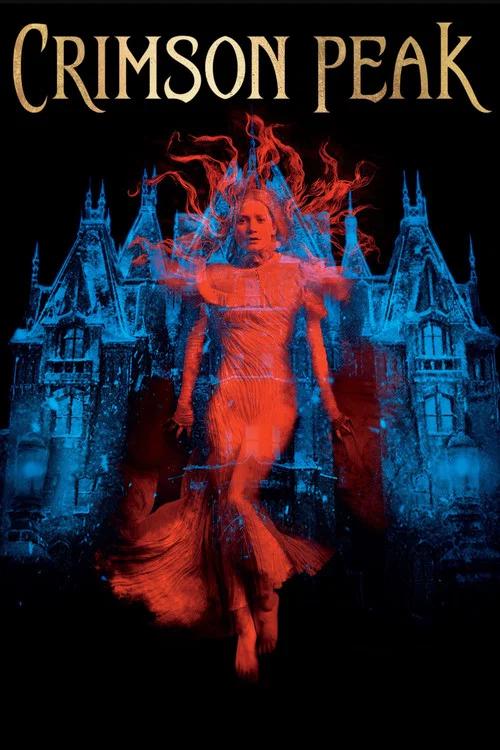
  15. Crimson Peak (2015) poster

    Crimson Peak

    Guillermo del Toro · 2015

    Red clay seeps up through the ground and stains the snow, which gives the house its name. The ghosts also appear in red. Whenever you see the color, it ties back to death and the secret under the house.

    Where to see it: The snow: Thomas explains that the estate is called Crimson Peak because the warm clay stains the winter snow red.

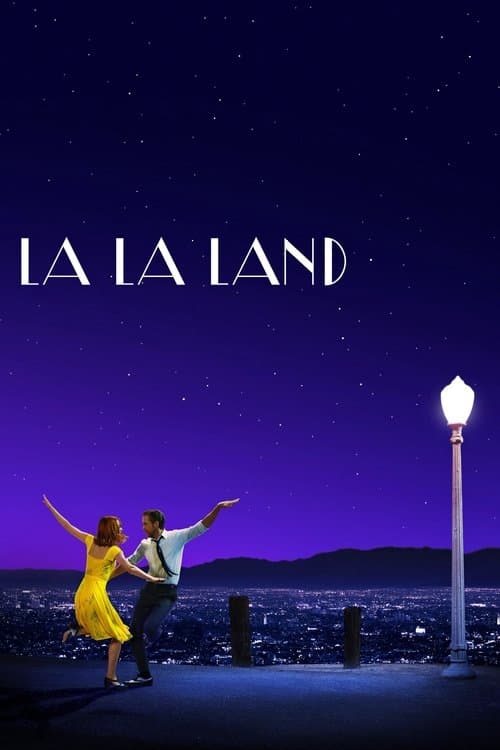
  16. La La Land (2016) poster

    La La Land

    Damien Chazelle · 2016

    Each season of the film has its own primary color. The costumes, the light and the mise-en-scène, meaning everything placed in the frame, shift with the temperature of the relationship. Mia's yellow dress goes well past wardrobe. It carries the film's emotions, and the colors follow the arc of the relationship before the dialogue does.

    Where to see it: The 'A Lovely Night' dance on the hilltop overlook. The colors are at their most saturated here, with Mia's yellow dress set against a purple and blue dusk sky. The scene celebrates the romance and already looks back on it with sadness.

  17. Annihilation (2018) poster

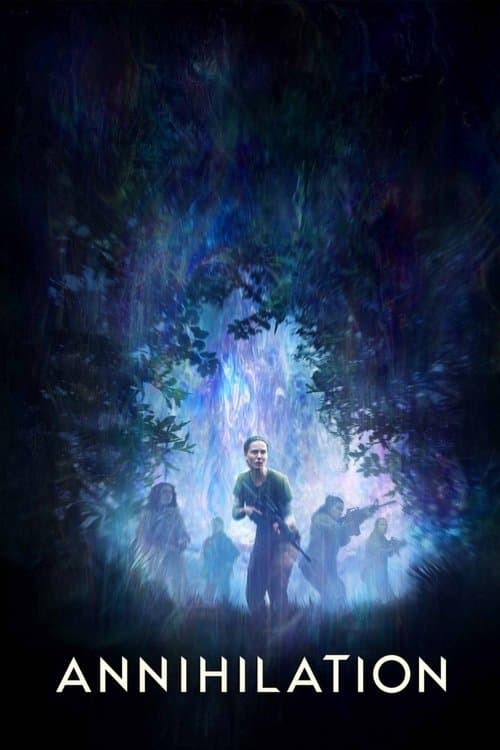
    Annihilation

    Alex Garland · 2018

    The Shimmer's border is an iridescent rainbow, and the film's colors get more and more saturated and impossible. Both show how the zone changes matter. The film uses the same colors for beauty and for horror.

    Where to see it: The Shimmer's boundary. The light bends into a soap-bubble shimmer, and it is the most beautiful and most threatening image in the film.

  18. The Green Knight (2021) poster

    The Green Knight

    David Lowery · 2021

    Andrew Droz Palermo's photography uses green to mean both life and death, and both honor and corruption. The Green Knight himself is both a threat and a teacher. On the quest, green fills every frame of the natural landscape.

    Where to see it: The Green Knight's entrance into Camelot. His impossibly vivid green stands out against the grey stone. The color alone challenges the court and its grey, proper manners.

Questions

Quick answers

What is color symbolism in film?
Giving specific colors to characters, groups or ideas and sticking to them through the film. Each time a color appears, it tells you something beyond what is shown.
Which films use color symbolism?
Marnie (1964), Fahrenheit 451 (1966), Cries and Whispers (1972), Scarface (1983), Ran (1985), Dreams (1990) and 12 more films in the CineCode library.
What kind of technique is color symbolism?
It is a cinematography technique. Related cinematography techniques include Production Design as Psychological Space.