Drama · History · Crime

Detroit

Kathryn Bigelow, 2017

During the 1967 Detroit riot, shots mistaken for a sniper attack send police and National Guard troops into the Algiers Motel. Officers terrorize the guests with mock executions while a security guard watches. Look at how Bigelow shoots it like a documentary, so a 50-year-old event feels like it is happening in front of you.

Detroit (2017) poster

At a glance

Detroit is a 2017 drama, history and crime film directed by Kathryn Bigelow. This breakdown covers 4 techniques (1 cinematography, 1 editing and 2 narrative), each with the scene where you can see it. If you like how it is made, Detachment uses several of the same techniques.

Cinematography

Handheld Cinema Vérité

Shooting with a handheld camera so the frame shakes and moves with the action. This documentary-style look, called cinema vérité, puts you uncomfortably close to the character.

How this film uses it

Barry Ackroyd shot with Alexa Mini cameras, and added grain to blend with archival footage, in a handheld documentary style close to The Hurt Locker. The camera stays close to the actors and moves with them. You are inside the rooms, close enough that there is no safe distance.

Where to see it

The Algiers annex interrogation: Krauss lines up everyone against the wall, and the handheld camera stays in the room as he beats and terrorizes them.

Editing

Animation as Emotional Amplifier

Using animation, for a whole film or for short sequences inside live action, to make emotions hit harder. Drawn images can show inner feelings that realistic footage can't reach.

How this film uses it

The film opens with animation built on Jacob Lawrence paintings. The art gives the decades of history before the riot a few quick, powerful images. It shows what the story rests on before the first live scene begins.

Where to see it

The Jacob Lawrence prologue: Paintings summarize the history leading up to the 1967 riot.

Narrative

Escalating Villain Intensity

Making a villain or anti-hero more extreme as the film goes on, with each act bolder and harder to predict. The fear comes from never knowing what they will do next.

How this film uses it

Krauss gets bolder in each stage. He shoots a looter against orders and keeps his job. At the Algiers he shoots Carl as he runs, plants a knife next to the body and moves on to beatings and mock executions. You never know how far he will go.

Where to see it

The mock executions: Krauss orders suspects taken one by one into different rooms to be mock-executed so the others will confess.

Narrative

Legal Theater

Staging a trial as a performance, with testimony and cross-examination played like theater. The rules can bring out the truth, or they can hide a verdict that was decided in advance.

How this film uses it

The trial is a performance too. The survivors' testimony is picked apart by the defense, and the judge finds the officers' statements inadmissible because they were not advised of their rights. The rules of court decide the outcome before the truth does.

Where to see it

The trial two years later: The defense attorney attacks the survivors' testimony, and the judge excludes the officers' statements.

Questions

Detroit: quick answers

What filmmaking techniques does Detroit use?
CineCode breaks down 4 techniques in Detroit (2017): Handheld Cinema Vérité, Animation as Emotional Amplifier, Escalating Villain Intensity and Legal Theater.
Who directed Detroit?
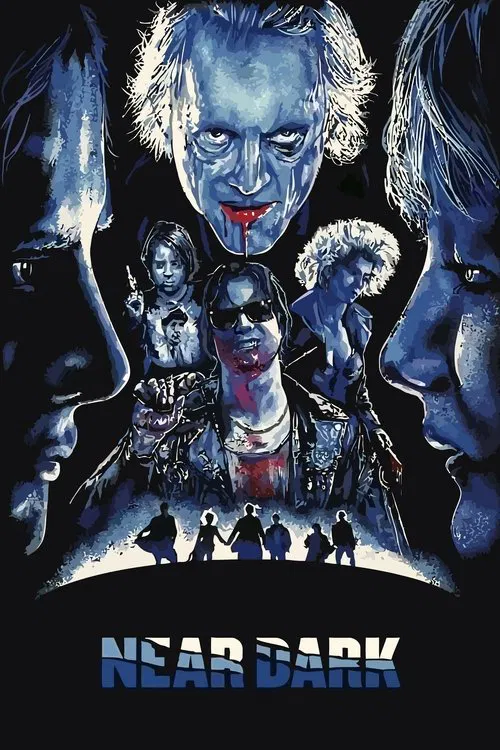
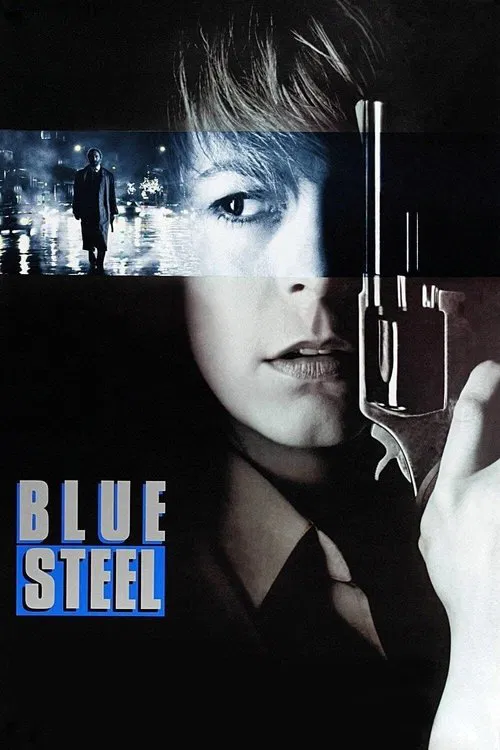
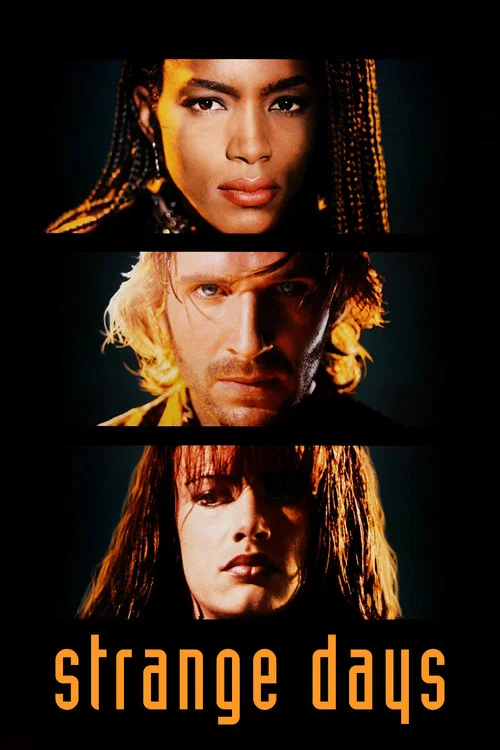
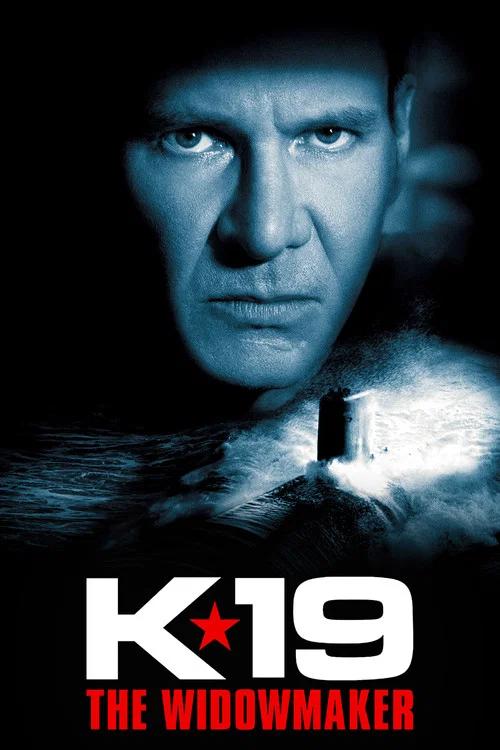
Kathryn Bigelow directed Detroit, released in 2017. CineCode also covers Near Dark (1987), Blue Steel (1990), Point Break (1991), Strange Days (1995), K-19: The Widowmaker (2002), The Hurt Locker (2008).
What films are similar to Detroit?
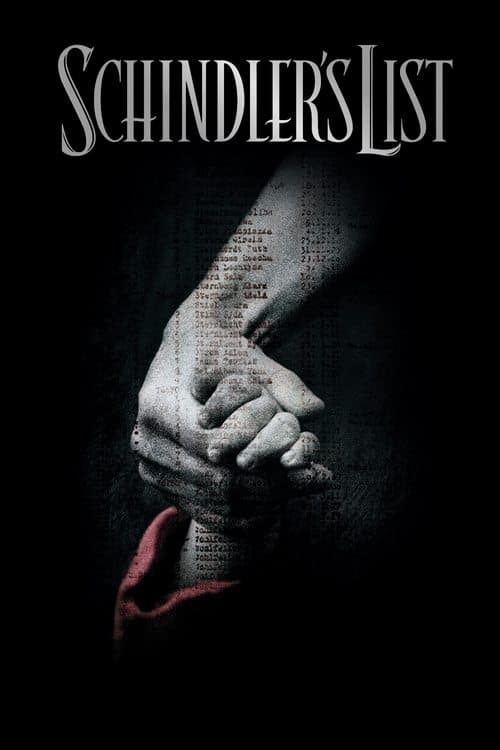
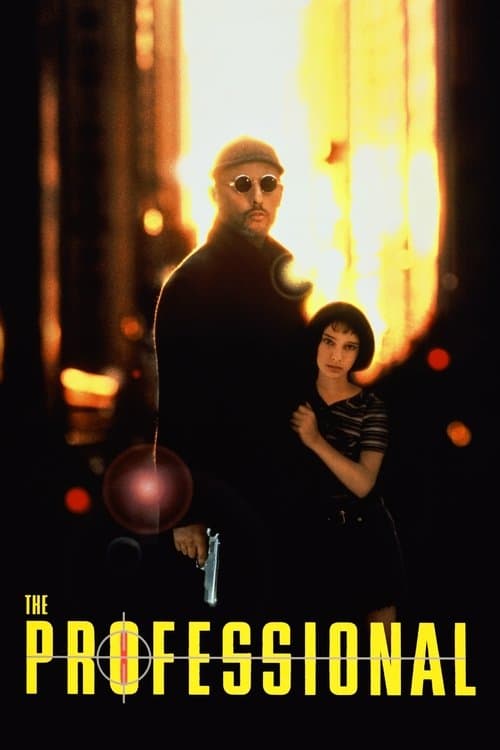
Films that share techniques with Detroit include Detachment (2011), Black Swan (2010), Schindler's List (1993), Léon: The Professional (1994).