Comedy · Drama

Melinda and Melinda

Woody Allen, 2004

Four friends at a Manhattan dinner argue whether life is a comedy or a tragedy. Two playwrights each tell their own version of the story of Melinda, a troubled woman who turns up at a dinner party. Worth watching for how the same woman and the same events play out so differently in each telling.

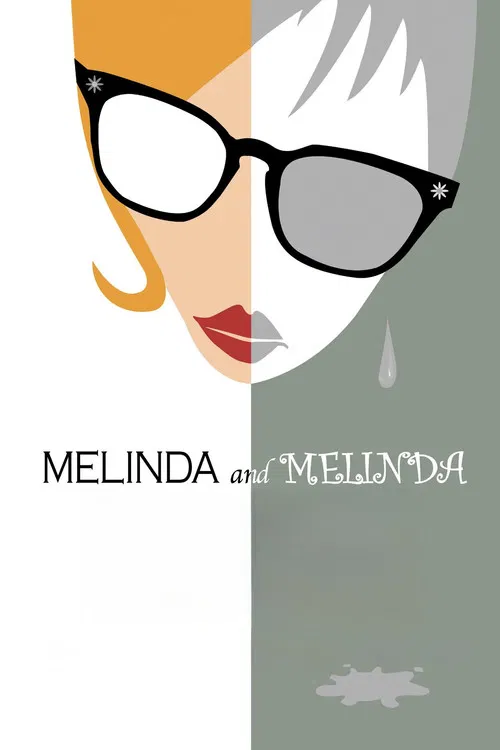
Melinda and Melinda (2004) poster

At a glance

Melinda and Melinda is a 2004 comedy and drama film directed by Woody Allen. This breakdown covers 4 techniques (2 narrative, 1 editing and 1 psychology), each with the scene where you can see it. If you like how it is made, The Lord of the Rings: The Return of the King uses several of the same techniques.

Narrative

Tonal Bifurcation

Giving a film 2 very different tones, such as comedy and tragedy, often split into halves. Each makes the other hit harder, and the film never blends them into 1.

How this film uses it

Radha Mitchell plays Melinda in both versions. In the tragic one she is a divorced friend who loses her chance to see her children and sees her friends betray her. In the comic one she is a neighbor who has overdosed and ends up kissing the hero. Each telling makes the other feel sadder or funnier.

Where to see it

The two versions of Melinda's arrival. In one she is a guest at a dinner party, and in the other she shows up at the neighbors' apartment after taking pills.

Editing

Callback Editing

Bringing back an earlier image, line, location or piece of staging later in the film, often with the situation reversed. You enjoy recognizing it, and the comparison adds meaning.

How this film uses it

The two stories rhyme on purpose. Each has a pianist, Ellis Moonsong in the tragedy and Billy Wheeler in the comedy, and each has a window scene. In the tragedy Melinda threatens to jump, and in the comedy Stacey tries to. The same image comes back with the mood reversed.

Where to see it

The window scenes. In the tragic version Ellis stops Melinda from jumping, and in the comic version Hobie stops Stacey.

Narrative

Multiple Resolution Structure

Giving the film several endings. They can come one after another to close different emotional threads, or they can conflict and leave you to weigh competing versions.

How this film uses it

The dinner at a Manhattan restaurant starts with a debate about whether life is comic or tragic. Max tells the tragic version and Sy tells the comic one. The film never picks a winner, and the friends end by saying you should enjoy both kinds of moments.

Where to see it

The opening dinner. Four friends debate comedy against tragedy, and one of them tells a true story that the two playwrights then retell.

Psychology

Subjective Genre Lens

Retelling the same events through a storyteller's temperament, so one situation reads as comedy or tragedy. You see how a mind shapes what happens.

How this film uses it

The same setup gives you a very different film depending on who is telling it. One writer sees a woman destroying a household, and the other sees a mess that ends in romance. You realize genre says as much about the teller as about the events.

Where to see it

The comic ending. Hobie finds Melinda outside his apartment, they confess their feelings and kiss.

Questions

Melinda and Melinda: quick answers

What filmmaking techniques does Melinda and Melinda use?
CineCode breaks down 4 techniques in Melinda and Melinda (2004): Tonal Bifurcation, Callback Editing, Multiple Resolution Structure and Subjective Genre Lens.
Who directed Melinda and Melinda?
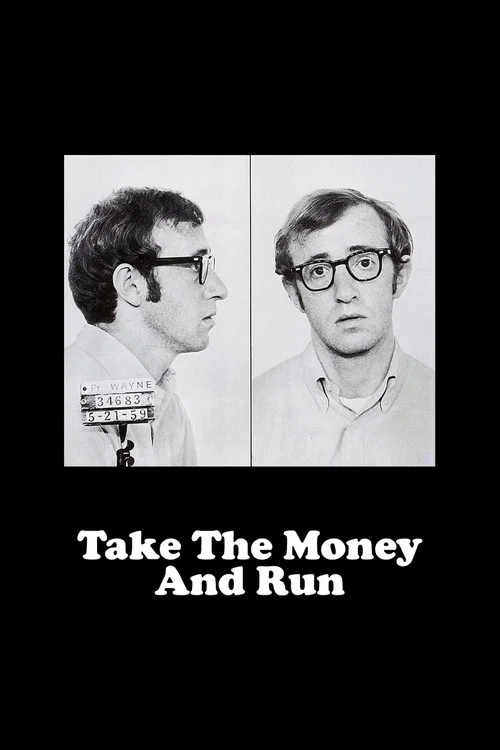
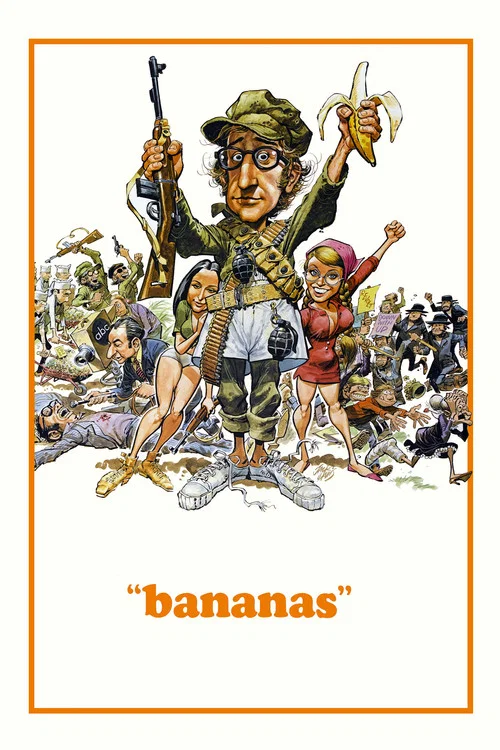
Woody Allen directed Melinda and Melinda, released in 2004. CineCode also covers Take the Money and Run (1969), Bananas (1971), Everything You Always Wanted to Know About Sex *But Were Afraid to Ask (1972), Sleeper (1973), Love and Death (1975), Annie Hall (1977).
What films are similar to Melinda and Melinda?
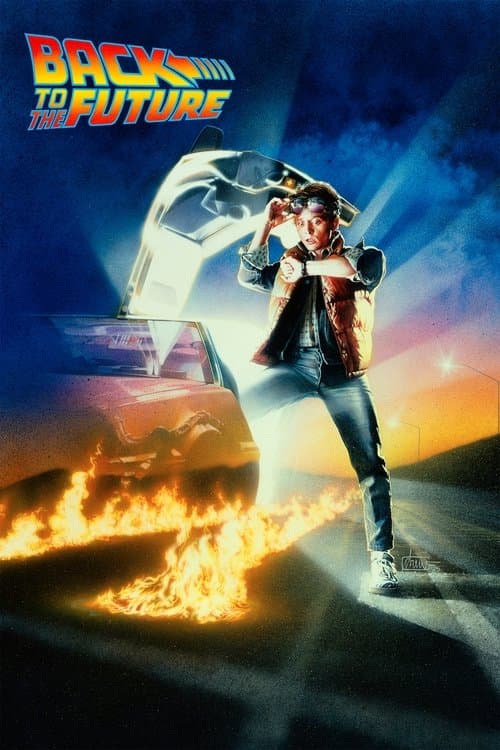
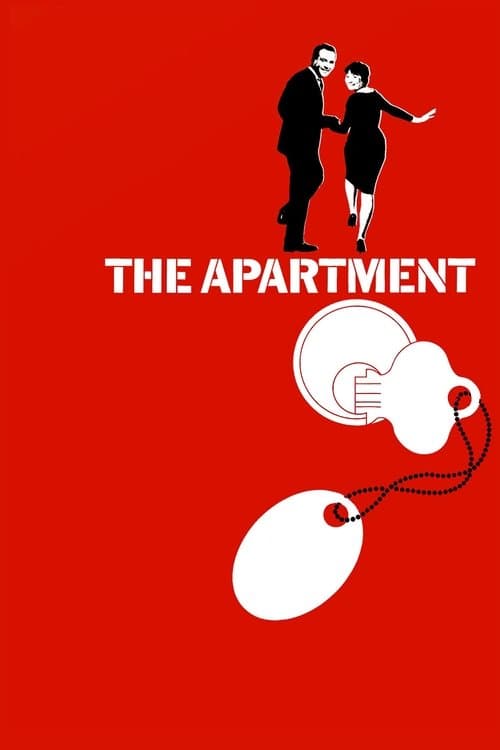
Films that share techniques with Melinda and Melinda include The Lord of the Rings: The Return of the King (2003), Life is Beautiful (1997), Back to the Future (1985), The Apartment (1960).