Animation · Fantasy · Family

Ponyo

Hayao Miyazaki, 2008

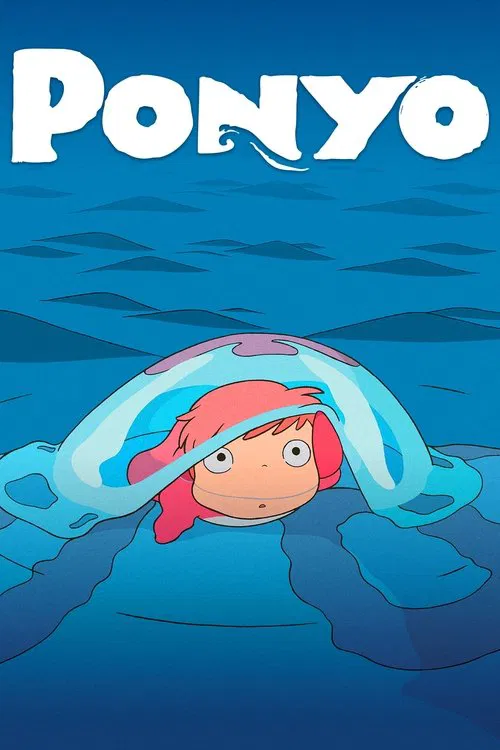
A goldfish princess named Ponyo escapes her wizard father and is rescued by 5-year-old Sosuke, who lives in a seaside town. Her wish to become human throws nature out of balance and floods the land. Watch how Miyazaki draws the sea itself as something alive.

Ponyo (2008) poster

At a glance

Ponyo is a 2008 animation, fantasy and family film directed by Hayao Miyazaki. This breakdown covers 4 techniques (1 cinematography, 2 narrative and 1 editing), each with the scene where you can see it. If you like how it is made, My Neighbor Totoro uses several of the same techniques.

Cinematography

Hand-Drawn Texture

Keeping the handmade look of traditional animation, including slightly uneven pencil lines and visible brushwork in the backgrounds. The small imperfections make the image feel warm and human.

How this film uses it

The studio closed its computer graphics department so the film could be drawn by hand. Miyazaki had ships drawn frame by frame, and the sea is full of wobbling, uneven lines. The ocean looks like it is breathing.

Where to see it

Ponyo runs across the waves: after she becomes human, the storm rises and she races over huge waves shaped like fish.
Narrative

Ecological Animism

Treating nature as alive and aware, with its own will, hierarchy and sacred status. Animals and spirits respond to people, which argues that the natural world has value of its own.

How this film uses it

When Ponyo uses her father's magic to become human, nature loses its balance and the sea rises onto the land. The wave spirits obey Fujimoto and the sea answers to a goddess, Gran Mamare. Nature has a will here, and people have to live with its answers.

Where to see it

The tsunami: Ponyo uses magic to transform, and the ocean floods the land around Sosuke's home.

Narrative

Supernatural Realism

Dropping magical or miraculous events into an otherwise realistic world and playing them completely straight. The film never explains them or winks at you about them.

How this film uses it

A fish with a human face, a flooded town and a sea goddess all appear in a plain fishing village. Nobody stops to explain the magic or jokes about it. Because the film plays it all straight, you accept it the way Sosuke does.

Where to see it

Sosuke frees Ponyo: she is trapped in a glass jar and washed ashore, and Sosuke breaks it open. She licks his cut finger, which heals it.

Editing

Animation as Emotional Amplifier

Using animation, for a whole film or for short sequences inside live action, to make emotions hit harder. Drawn images can show inner feelings that realistic footage can't reach.

How this film uses it

A cartoon fish with a human face can show wide-eyed joy and fear in a way a real actor could not. The biggest emotional beat is drawn as simple images, a bubble and a kiss. A child can read it at once.

Where to see it

Gran Mamare's test: Sosuke has to accept Ponyo whether she is a fish or a human. Ponyo gives up her magic and, sealed in a bubble, is kissed by Sosuke.

Questions

Ponyo: quick answers

What filmmaking techniques does Ponyo use?
CineCode breaks down 4 techniques in Ponyo (2008): Hand-Drawn Texture, Ecological Animism, Supernatural Realism and Animation as Emotional Amplifier.
Who directed Ponyo?
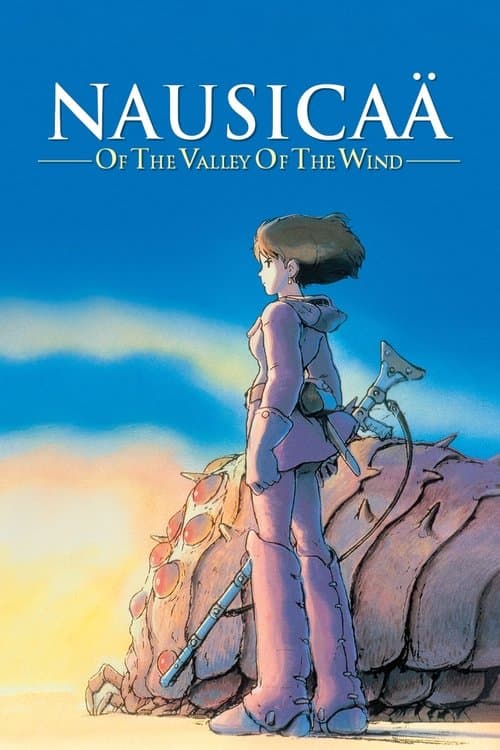
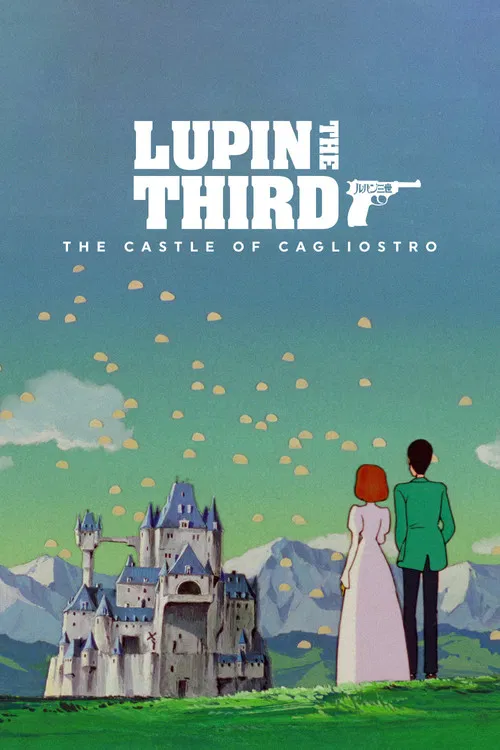
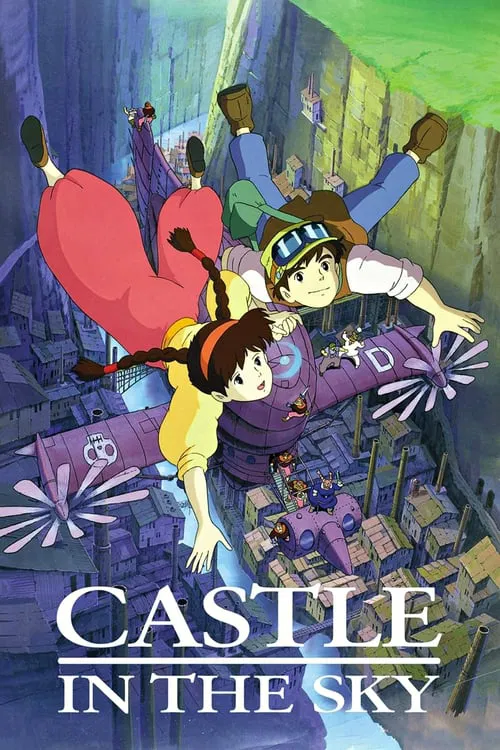
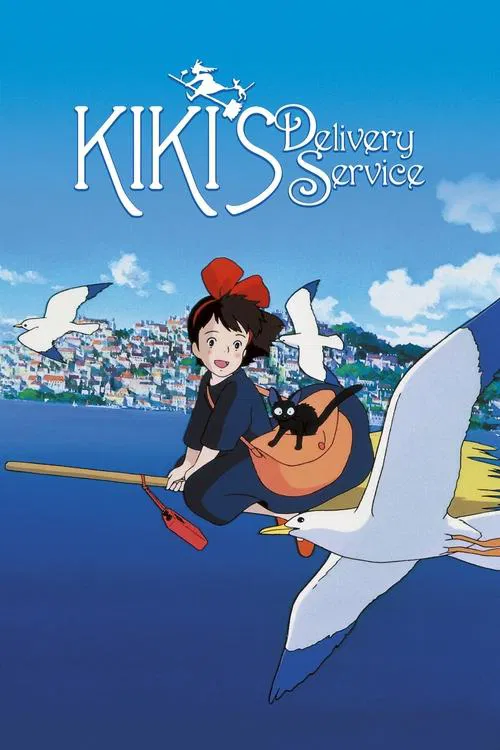
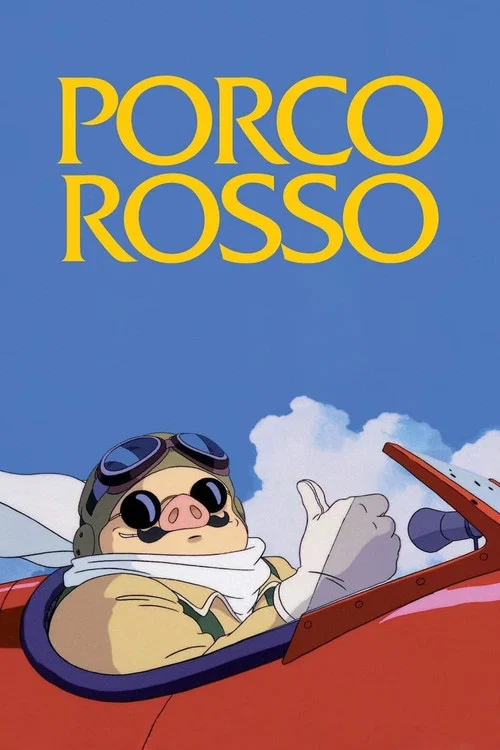
Hayao Miyazaki directed Ponyo, released in 2008. CineCode also covers The Castle of Cagliostro (1979), Nausicaä of the Valley of the Wind (1984), Castle in the Sky (1986), My Neighbor Totoro (1988), Kiki's Delivery Service (1989), Porco Rosso (1992).
What films are similar to Ponyo?
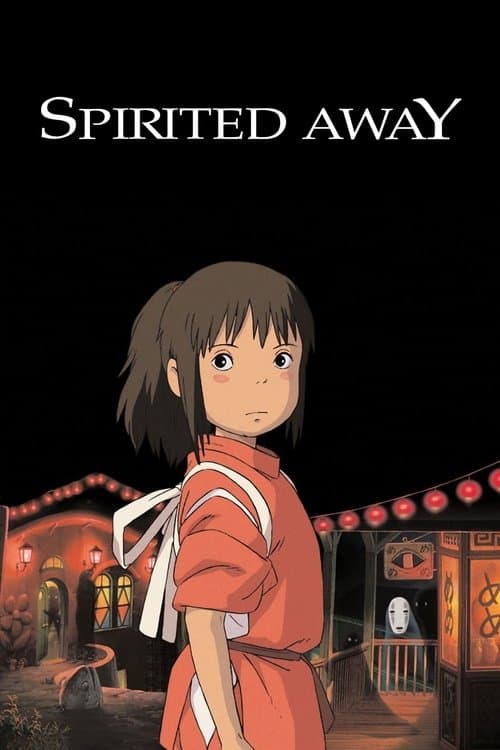
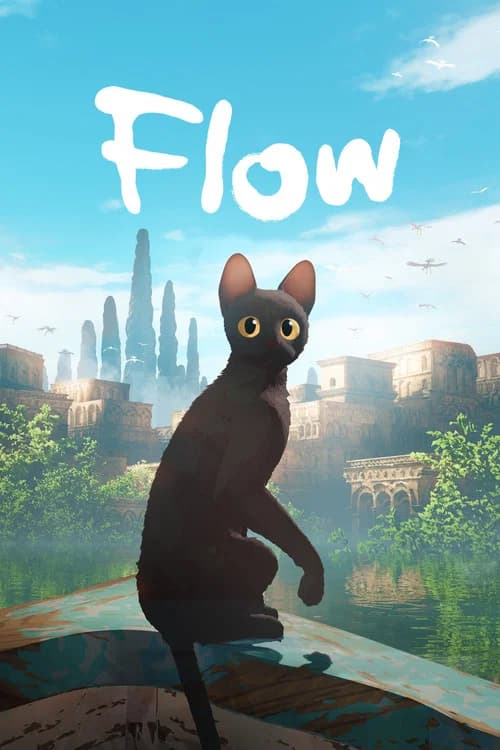
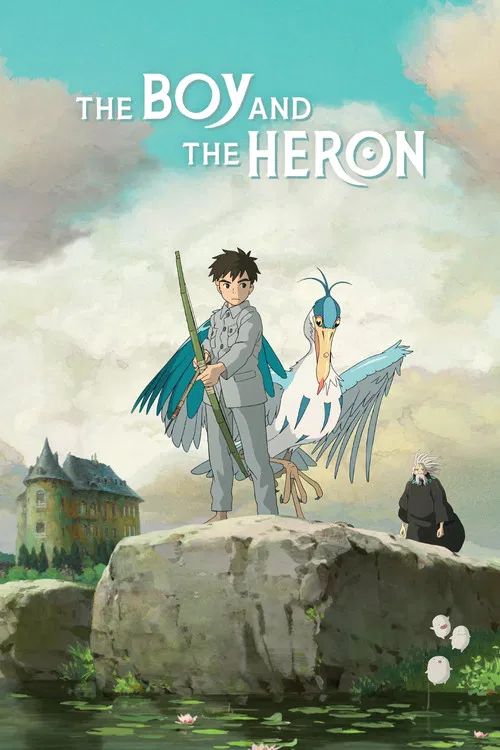
Films that share techniques with Ponyo include My Neighbor Totoro (1988), The Boy and the Heron (2023), Spirited Away (2001), Flow (2024).