Fantasy · Romance · Comedy

Midnight in Paris

Woody Allen, 2011

A struggling screenwriter on a Paris holiday with his fiancee finds that at midnight a vintage car takes him back to the 1920s. He meets Hemingway, Fitzgerald and Picasso, and starts to wonder which era he belongs in. Worth watching for how the film makes nostalgia feel magical, then questions it.

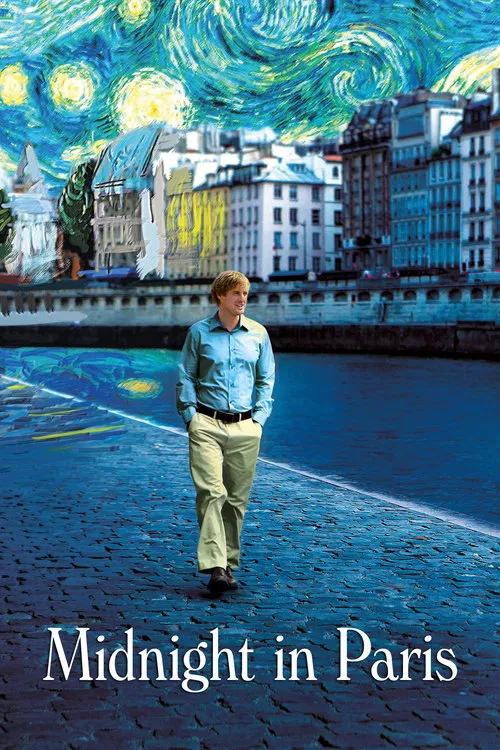
Midnight in Paris (2011) poster

At a glance

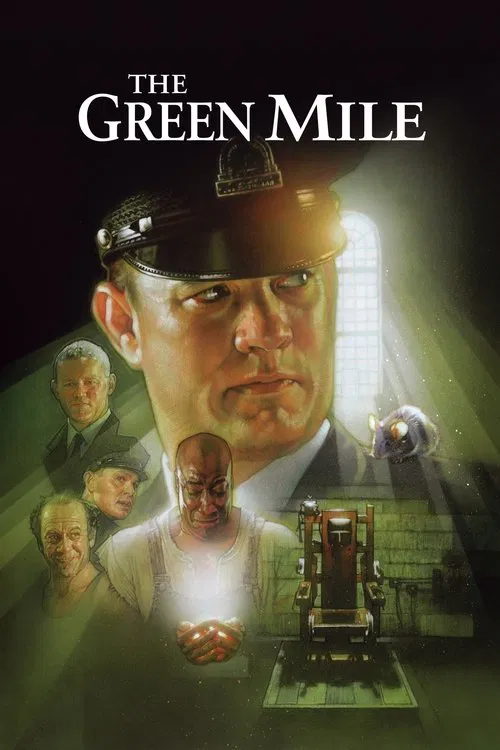
Midnight in Paris is a 2011 fantasy, romance and comedy film directed by Woody Allen. This breakdown covers 4 techniques (2 narrative, 1 cinematography and 1 editing), each with the scene where you can see it. If you like how it is made, The Green Mile uses several of the same techniques.

Narrative

Supernatural Realism

Dropping magical or miraculous events into an otherwise realistic world and playing them completely straight. The film never explains them or winks at you about them.

How this film uses it

A 1920s car pulls up to Gil at midnight and takes him to a party for Jean Cocteau. The film never explains how or why. Gil explains his situation to Dalí, Man Ray and Buñuel, and as surrealists they do not question that he comes from the future. The magic is simply accepted.

Where to see it

The first midnight. Gil gets into the car, arrives at the Cocteau party, and meets Scott and Zelda Fitzgerald.
Cinematography

Amber Color Grading

Tinting the image in warm amber, gold or orange. Depending on the film, the glow can feel nostalgic and old-world or sickly, as if home comforts are under threat.

How this film uses it

Allen said he wanted the camera work warm, "intensely red, intensely warm," so that people look flattering, like diners in a restaurant with old lights. Darius Khondji shot it. The golden glow suits a story about falling in love with the past.

Where to see it

The nights in 1920s Paris. Gil spends his nights with writers and painters in 1920s Paris.

Narrative

Idealized Place as Trap

Presenting a paradise or a golden past as seductive, then revealing it as a trap that corrodes the characters who chase it.

How this film uses it

Gil wishes he lived in the 1920s. Adriana, who is from that time, longs for the Belle Époque. When they get there, Toulouse-Lautrec, Gauguin and Degas say the Renaissance was the best time. Gil realizes the present always feels a little unsatisfying, and he decides to stay in Paris in his own time.

Where to see it

The Belle Époque. A carriage takes Gil and Adriana to the Moulin Rouge, where the painters name the Renaissance as the golden age.

Editing

Establishing Montage

Opening with a run of shots of a place, held longer than needed to establish where we are. It tells you the place is a character.

How this film uses it

The film begins with views of Paris, longer than a simple location setup needs. A critic read this as Allen saying to pay attention because magic can happen here. It prepares you for a story in which the city itself does the work.

Where to see it

The opening. A series of shots of Paris plays before the story begins.

Questions

Midnight in Paris: quick answers

What filmmaking techniques does Midnight in Paris use?
CineCode breaks down 4 techniques in Midnight in Paris (2011): Supernatural Realism, Amber Color Grading, Idealized Place as Trap and Establishing Montage.
Who directed Midnight in Paris?
Woody Allen directed Midnight in Paris, released in 2011. CineCode also covers Take the Money and Run (1969), Bananas (1971), Everything You Always Wanted to Know About Sex *But Were Afraid to Ask (1972), Sleeper (1973), Love and Death (1975), Annie Hall (1977).
What films are similar to Midnight in Paris?
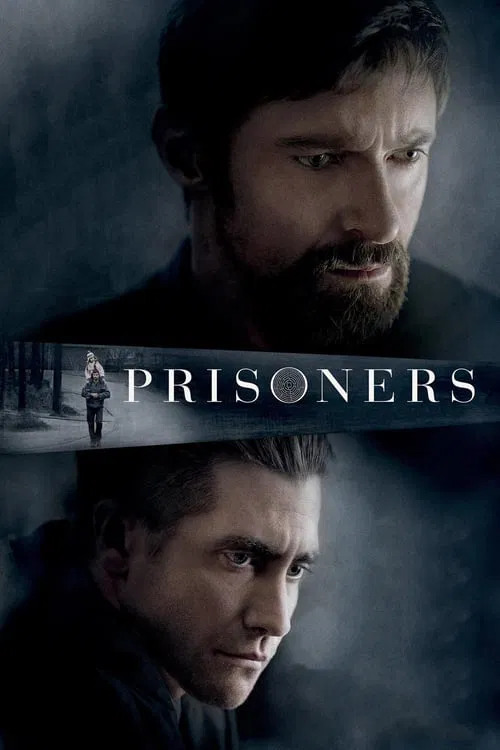
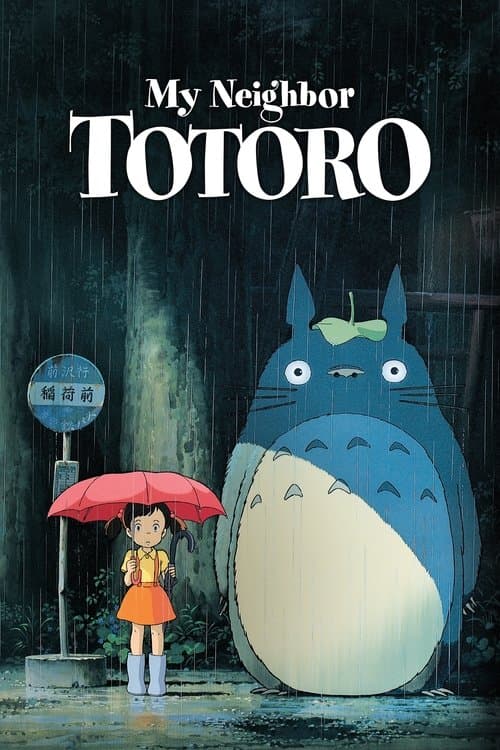
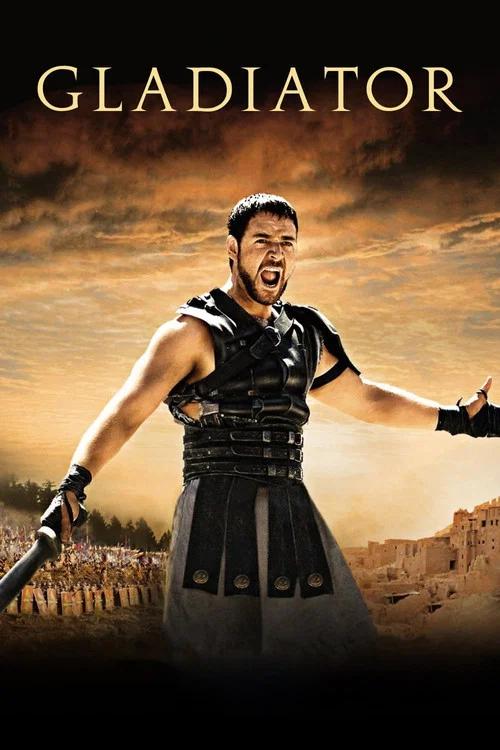
Films that share techniques with Midnight in Paris include The Green Mile (1999), Gladiator (2000), Prisoners (2013), My Neighbor Totoro (1988).