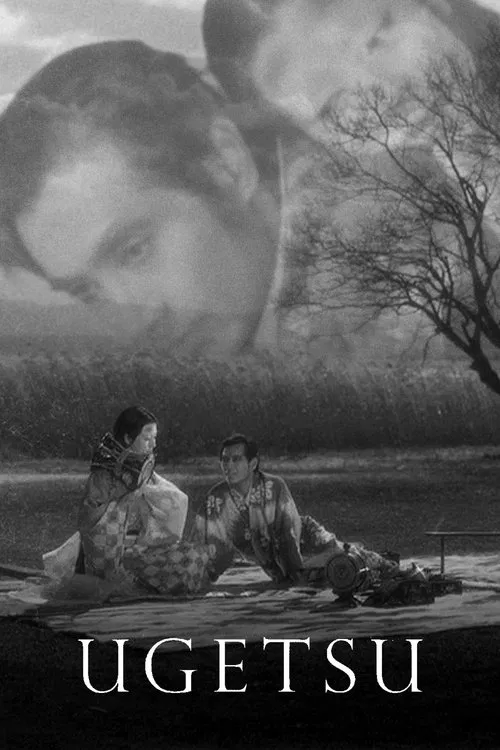
In war-torn 16th century Japan, a potter and his brother-in-law leave their wives to chase money and glory. One falls for a beautiful noblewoman who is not what she seems. Mizoguchi turns a ghost story into a tragedy about greed. The camera glides like a scroll painting being unrolled.
Ugetsu is a 1953 drama, fantasy and history film directed by Kenji Mizoguchi. This breakdown covers 5 techniques (3 narrative, 1 cinematography and 1 psychology), each with the scene where you can see it. If you like how it is made, Scoop uses several of the same techniques.
Structuring the story so a character's rise or cruelty is mirrored by its opposite. A parallel story shows a different outcome, or a powerful figure loses everything in ways that echo earlier wrongs.
How this film uses it
Genjuro and Tobei each rise in their own way, one as a noblewoman's lover and the other as a samurai. Each gain is paid for by what they leave behind. Their wives suffer for the ambition, and the men lose everything they were trying to win.
Where to see it
The return home. Genjuro gets back to his village and spends the night with Miyagi. The next morning he learns she was killed by soldiers.
Dropping magical or miraculous events into an otherwise realistic world and playing them completely straight. The film never explains them or winks at you about them.
How this film uses it
The ghosts are shown as plain as the people around them. Nobody tells Genjuro that Lady Wakasa is dead until a priest reveals it, and the film plays the whole thing straight. You are fooled the same way Genjuro is.
Where to see it
Lady Wakasa's mansion. Genjuro visits a noblewoman who is the survivor of a ruined clan, and she persuades him to marry her.
Using a ghost as a moral presence tied to past wrongs, often gentler than the living, so the real horror and the real hope come from human choices.
How this film uses it
The spirit of Genjuro's wife is gentler than the living people around her. She greets him as if nothing has happened, and her kindness is the harshest part of his punishment. The horror is in what the men chose.
Where to see it
The reunion. Genjuro goes home and meets the spirit of Miyagi.
Filling the set with smoke or fog so lights show up as visible beams and backgrounds go soft. The haze gives action a moody, stylized look.
How this film uses it
The Lake Biwa crossing was shot in a studio pool with added smoke. The mist hides the shore, and the boat seems to move through a dream. The scene sets up the film's feeling of danger and of leaving ordinary life behind.
Where to see it
The Lake Biwa crossing. The two couples sail across the lake through fog, afraid of pirates.
Letting a character fall for someone they should distrust or oppose. Desire overrides suspicion, so the romance becomes a source of risk and comic or tragic tension.
How this film uses it
Genjuro is warned that Lady Wakasa is not what she seems, yet he lets himself be pulled in by her beauty and her attention. The desire overrides his good sense. The film shows how easily a good man falls for something too good to be true.
Where to see it
The seduction. Wakasa wins over the potter in her mansion and persuades him to stay as her husband.
Questions
Ugetsu: quick answers
What filmmaking techniques does Ugetsu use?
CineCode breaks down 5 techniques in Ugetsu (1953): Tragic Inversion Structure, Supernatural Realism, Ghost as Moral Figure, Atmospheric Fog and Haze and Attraction Against Judgment.
Who directed Ugetsu?
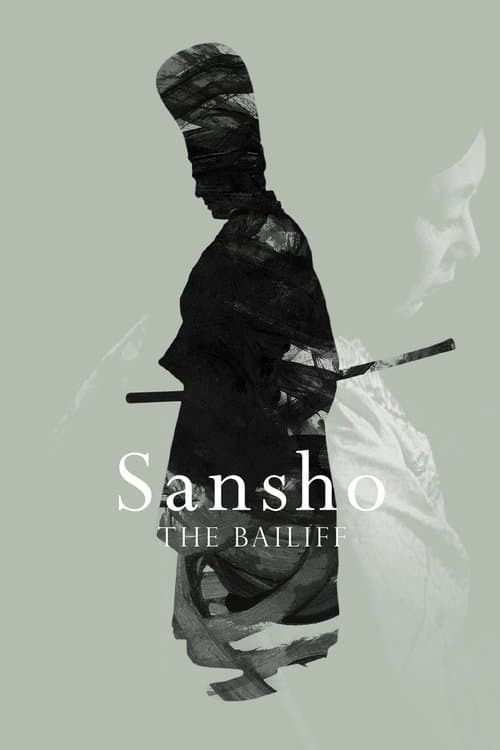
Kenji Mizoguchi directed Ugetsu, released in 1953. CineCode also covers Sansho the Bailiff (1954).
What films are similar to Ugetsu?
Films that share techniques with Ugetsu include Scoop (2006), The Godfather Part II (1974), The Green Mile (1999), Ran (1985).