Comparison · 3 shared techniques

Chinatown vs The Usual Suspects

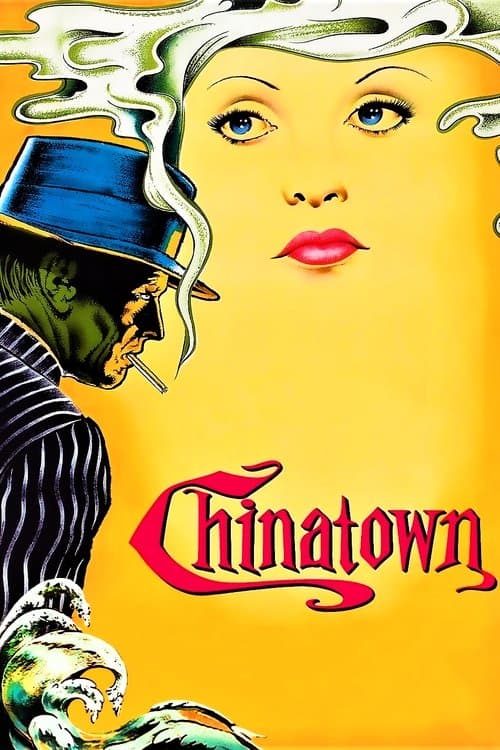
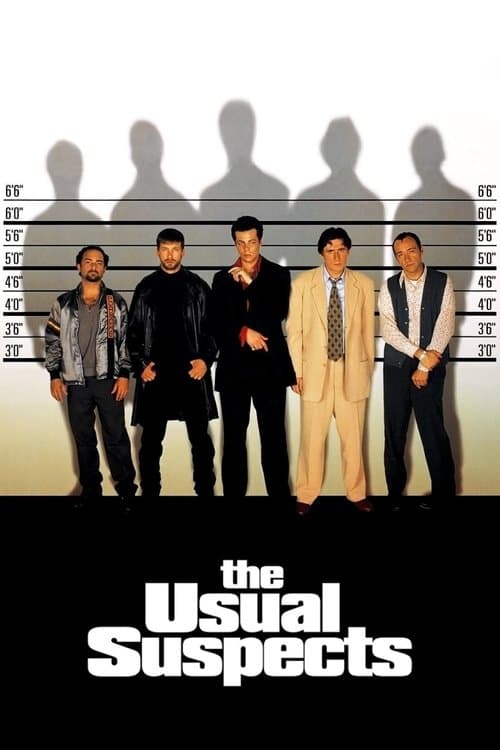
Chinatown (1974) and The Usual Suspects (1995) share 3 techniques. Here is how each film uses them.

Shared

Same technique, two films

Unreliable Narrator

Telling the story through a character you can't trust, because they are lying, mentally unwell or fooling themselves. At some point, you have to rethink what you were told.

Chinatown

The whole film is told from Gittes' point of view. You know what he knows, you discover what he discovers and you are wrong alongside him. His masculine confidence and professional expertise get taken apart piece by piece. When the investigation fails, it's his way of seeing the world that fails.

The Usual Suspects

Verbal Kint tells the whole story of the film to a federal agent. Then the final minutes reveal that everything you watched was fiction. He made it up on the spot, using objects he could see in the interrogation room.

Retrospective Voiceover

Having a narrator tell the story from some point after it happened. The events feel like memory, and you sense early on that something will be lost.

Chinatown

I feel like Gittes' persona suggests a man who was already defeated before the film begins. His world-weary competence, his professional cynicism and his California suntan are the costume of someone who learned something terrible about himself. He has been acting normal ever since. The events of the film reveal what he learned.

The Usual Suspects

Kint's voiceover is smooth and sympathetic, and it guides you through a past he made up. Because he tells it as someone looking back, the lie sounds as trustworthy as a confession.

Expectation Collapse

Building up the usual genre expectations, like the villain getting caught and the climax approaching, then refusing to deliver them. Your own anticipation is what makes the letdown hit so hard.

Chinatown

Every noir convention says the detective solves the crime and the woman is saved. Polanski follows every convention until the final scene, then refuses each one. Evelyn is shot, Noah Cross escapes and Chinatown claims them all. The film's power comes from building the expectation it destroys. The genre is what made the horror of the ending possible.

The Usual Suspects

Singer and McQuarrie build a conventional crime story with an ensemble cast, then knock the whole thing down in the final scene. That is, the genre itself turns out to be the misdirection.