Comparison · 3 shared techniques

Stalker vs Pan's Labyrinth

Stalker (1979) and Pan's Labyrinth (2006) share 3 techniques. Here is how each film uses them.

Shared

Same technique, two films

Unreliable Reality

Keeping it unclear what is real and what is imagined in the film's world. You end up as unsure as the main character.

Stalker

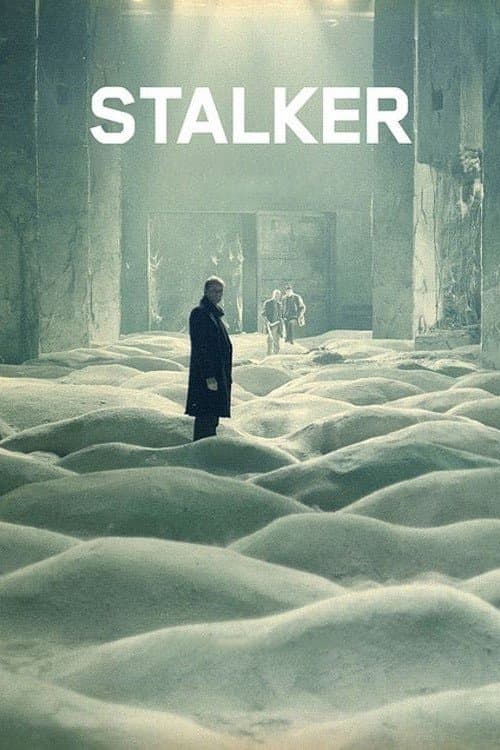
The Zone's rules contradict each other and change without explanation. Paths that were safe become deadly, the direct route is forbidden and the Stalker treats the Zone as a living thing. No one can check whether the Zone really has supernatural properties. It's possible the Stalker has laid a mythology over a contaminated industrial wasteland. Tarkovsky never settles this, and that uncertainty about the Zone is the film's argument.

Pan's Labyrinth

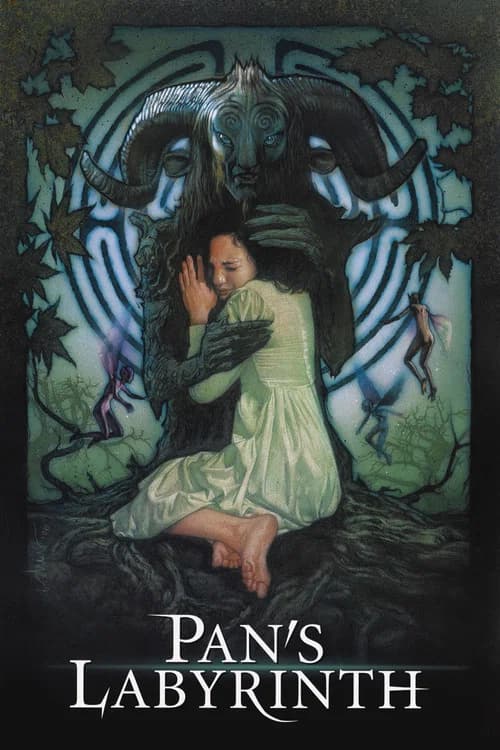
Del Toro gives you evidence for both readings throughout. The mandrake root seems to physically affect the Captain's wife, and Ofelia's death happens at the same moment as her fairy tale coronation. The film never confirms whether the underground kingdom is real. As cliche as it sounds, leaving it open is a moral stance. The fantasy is true whether or not it is real.

Symbolic Object

Returning to the same physical object again and again until it means more than what it is. It moves the plot and also stands for the film's main ideas.

Stalker

The Room is the central symbol of the film. People describe it, fear it and want it for the whole runtime. It grants the true wishes a person can't consciously admit to, and the wishes they say out loud don't count. The film never shows the Room granting a wish, and what it means is the question the film asks.

Pan's Labyrinth

The chalk door, the book of tasks and the mandrake root each stand for something specific. The chalk door is Ofelia's power to act, the ability to make an opening where there is none. The book shows that her story has already been written. The mandrake root ties the fantasy to the physical body, and neither world can fully explain how.

Color Palette as Worldbuilding

Limiting the film to a tightly chosen set of colors, or giving each place or state its own set. The colors tell you about the world and its mood without dialogue.

Stalker

The world outside the Zone is shown in washed-out sepia, a brownish tint. It looks industrial, grey and exhausted. Inside the Zone, the footage is in full color. That shift in color is the film's argument. That is, the Zone is more real, more alive and more human than the world around it.

Pan's Labyrinth

Del Toro and cinematographer Guillermo Navarro use warm amber and gold for the fantasy sequences and cold blue-gray for the real world. The color tells you where the film's sympathies are. The fantasy world is dangerous and still feels warm. The real world is orderly and still feels cold. When Ofelia chooses between them, she is also choosing between warm and cold color.