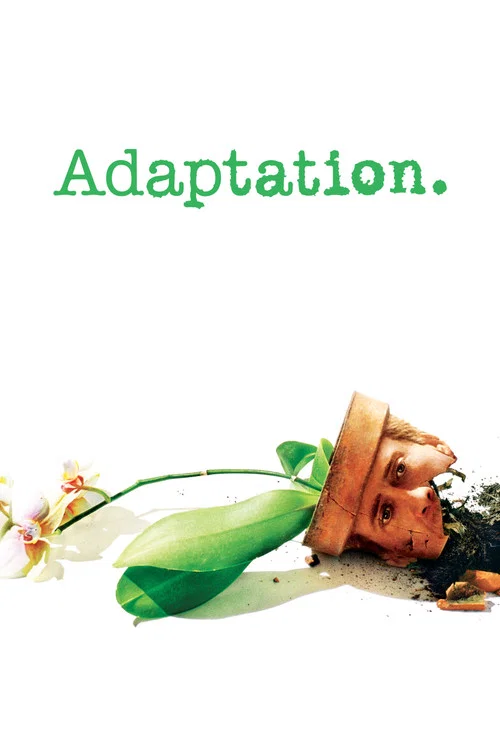
Screenwriter Charlie Kaufman is hired to adapt a book about an orchid thief and cannot write a word. His easygoing twin brother Donald moves in and sells a script of his own. The film becomes the story of its own writing, and Nicolas Cage plays both brothers.
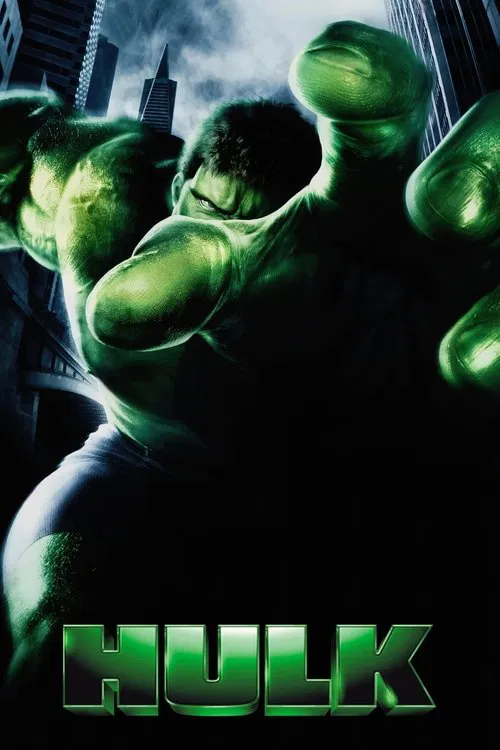
Adaptation. is a 2002 comedy and drama film directed by Spike Jonze. This breakdown covers 5 techniques (1 psychology, 3 narrative and 1 editing), each with the scene where you can see it. If you like how it is made, Hulk uses several of the same techniques.
Pairing the main character with a second character who mirrors them. The double shows what the hero wants, fears or secretly is.
How this film uses it
Charlie is anxious and stuck, while his twin Donald is confident and carefree. Donald shows what Charlie fears he is not, and the brothers slowly trade what each one knows. Nicolas Cage plays both.
Where to see it
Donald poses as Charlie. He interviews Susan Orlean for his brother, and the twins follow her to Florida.
Letting characters or stories cross the boundary between fiction and the real world inside the film. It plays with how much we rely on stories to cope with life.
How this film uses it
The film is about Charlie writing the script you are watching. By the third act, the story he feared to write takes over, and Orlean forces him into the swamp at gunpoint. The line between the real writer and the movie fades.
Where to see it
The swamp. Orlean forces Charlie to drive into the swamp, and Donald saves him.
Giving a character's conscience or split self a visible or audible form, so inner conflict plays out as dialogue with another presence.
How this film uses it
You hear Charlie's thoughts in voiceover as he argues with himself in the middle of a meeting. His doubts are spoken as plainly as other characters' lines. It makes his writer's block something you can hear.
Where to see it
Charlie in the Orlean meeting. He is too shy to speak to her in New York, and you hear his fears in his head.
Dividing the frame into two or more images shown at once. The panels compare, overlap or accelerate action that single shots could not hold together.
How this film uses it
Cage plays both brothers, and the film uses split-screen so the twins can share the frame. The effect works so smoothly that you stop thinking about it. The brothers feel like two separate people.
Where to see it
The brothers at home. Charlie and Donald talk in the same room, played by Cage in the same shot.
Writing a film about its own creation, so the characters struggle with the same structure the audience is watching and the story comments on itself.
How this film uses it
Charlie fails to adapt The Orchid Thief, so the film becomes about his failure. He asks screenwriting guru Robert McKee for help, and the last act turns into the kind of thriller he swore to avoid. You laugh at the joke and then notice it worked.
Where to see it
The McKee seminar. Charlie asks the screenwriting teacher for advice about his script.
Questions
Adaptation.: quick answers
What filmmaking techniques does Adaptation. use?
CineCode breaks down 5 techniques in Adaptation. (2002): Psychological Doubling, Fiction Crossing Into Reality, Externalized Inner Voice, Split Screen and Self-Referential Script Structure.
Who directed Adaptation.?
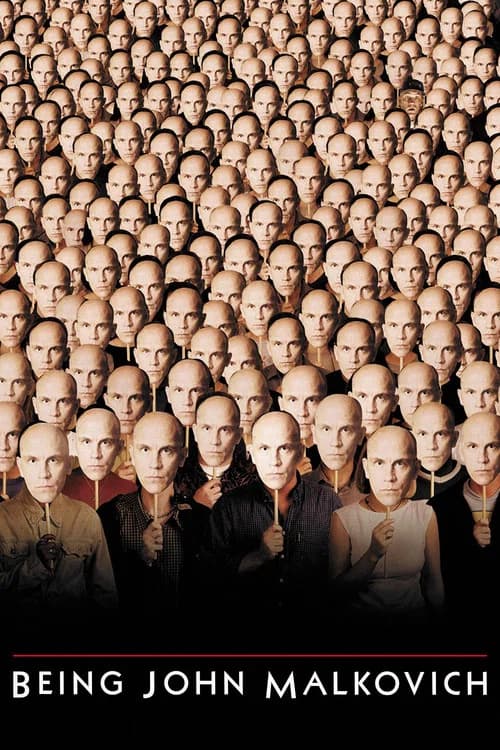
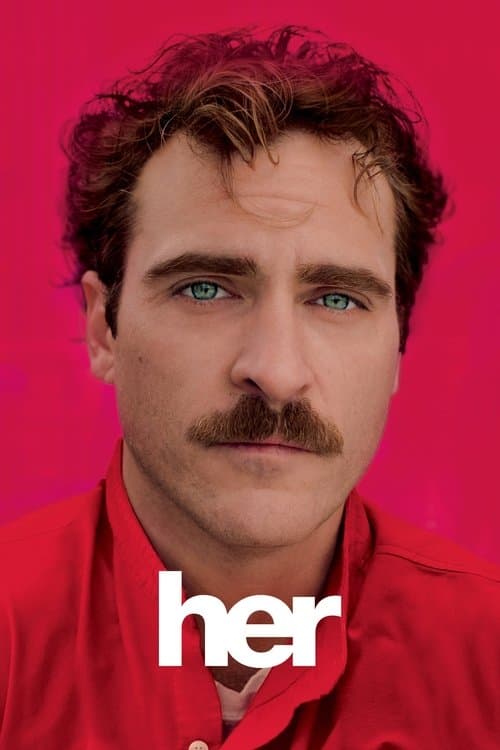
Spike Jonze directed Adaptation., released in 2002. CineCode also covers Being John Malkovich (1999), Where the Wild Things Are (2009), Her (2013).
What films are similar to Adaptation.?
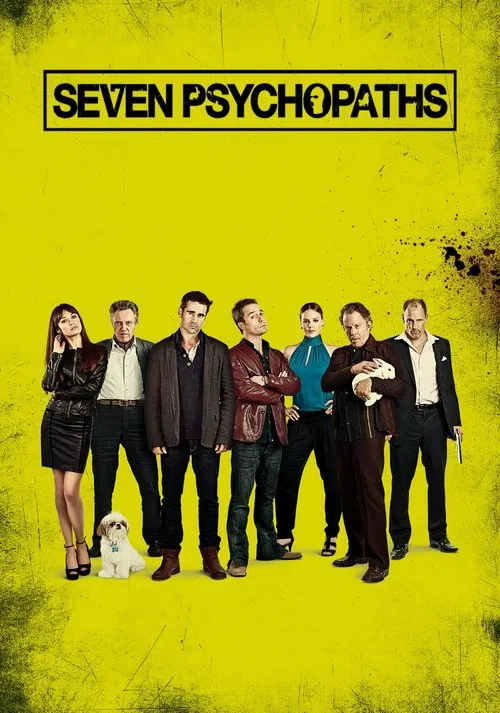
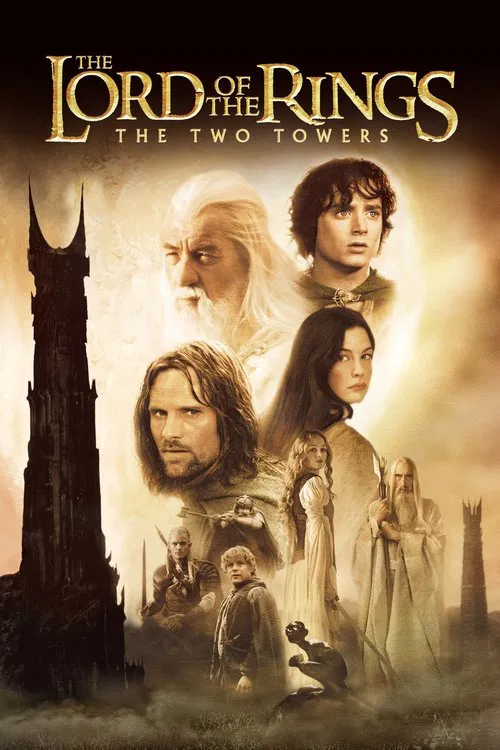
Films that share techniques with Adaptation. include Hulk (2003), Seven Psychopaths (2012), Black Swan (2010), The Lord of the Rings: The Two Towers (2002).