Fantasy · Adventure · Romance

Legend

Ridley Scott, 1985

In a fairy-tale forest, a young man named Jack tries to protect the last unicorns and Princess Lili from the Lord of Darkness, who wants to bring eternal night. Worth watching as a filmmaker for a forest built on a soundstage, heavy makeup and a film that exists in several versions.

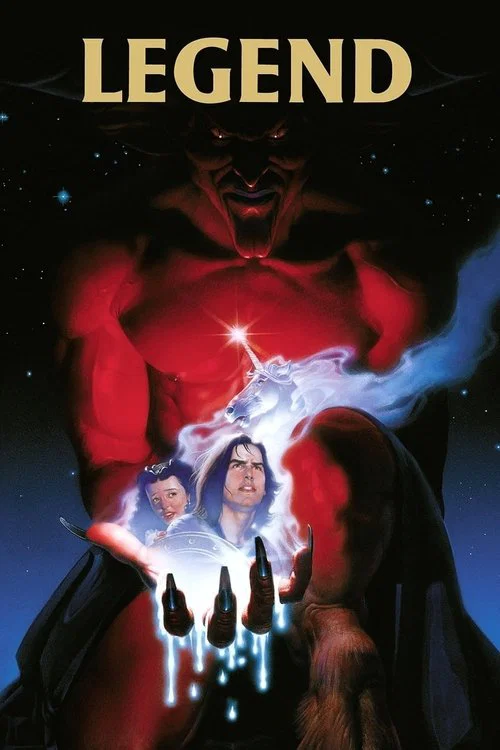
Legend (1985) poster

At a glance

Legend is a 1985 fantasy, adventure and romance film directed by Ridley Scott. This breakdown covers 5 techniques (3 cinematography, 1 sound and 1 narrative), each with the scene where you can see it. If you like how it is made, Dune uses several of the same techniques.

Cinematography

Set as Total World

Building a set so complete, with its own weather, crowds, architecture and social rules, that it feels lived in. It reads as real until one deliberate slip shows that it was built.

How this film uses it

Ridley Scott built a forest set on the 007 Stage at Pinewood Studios, which took 14 weeks. Everything in the forest was built indoors, so it feels like a place of its own. On June 27, 1984, the set burned down with ten days of filming left.

Where to see it

Unicorn pond: Lili touches the stallion in the forest, and the goblins poison it and cut off its horn, which brings winter.

Cinematography

Light-Shadow Moral Coding

Lighting good characters in warm, bright light and putting corrupt ones in shadow or sickly color. You can read who is safe and who is guilty from how a scene is lit.

How this film uses it

Darkness belongs to the shadows, and daylight is what can destroy him, which makes the lighting part of the plot. One reading is that you can tell who is safe by how a scene is lit.

Where to see it

Sunlight trap: The group uses the ogres' metal platters to reflect daylight into Darkness's chamber.

Cinematography

Practical In-Camera Effects

Creating effects physically on set with makeup, prosthetics, built props and camera tricks, with no computer graphics added later. The results look solid and real.

How this film uses it

Rob Bottin designed the prosthetic makeup, and Tim Curry's Darkness took five and a half hours to apply. The makeup is a real object on a real actor. You can feel the weight of the character.

Where to see it

Darkness's court: Tim Curry plays Darkness in full makeup as he tries to win Lili over.

Sound

Alternate Score Tone Shift

Changing a film's music for different releases, so the same images feel different. The score tells you how to read a scene.

How this film uses it

Jerry Goldsmith scored the European version and the Director's Cut, while Tangerine Dream scored the US version. The US release was delayed to 1986 so the score could be replaced. Scenes like Lili's dance in the enchanted dress change feel depending on the music behind them.

Where to see it

Lili's dance: Lili is hypnotized by the enchanted dress that Darkness gives her.

Narrative

Monomyth Blueprint

Structuring the story on the classic hero's journey, with its call to adventure, trials, ordeal and return home. The pattern feels familiar because myths in many cultures share it.

How this film uses it

Jack follows a classic hero's path: a call, allies, a descent into the villain's lair and a return. The pattern is easy to follow, which leaves room for the look. It also works like a fairy tale you already half know.

Where to see it

Darkness's castle: Jack and his group gather weapons and enter the castle, where Oona retrieves the keys.

Questions

Legend: quick answers

What filmmaking techniques does Legend use?
CineCode breaks down 5 techniques in Legend (1985): Set as Total World, Light-Shadow Moral Coding, Practical In-Camera Effects, Alternate Score Tone Shift and Monomyth Blueprint.
Who directed Legend?
Ridley Scott directed Legend, released in 1985. CineCode also covers The Duellists (1977), Alien (1979), Blade Runner (1982), Black Rain (1989), Thelma & Louise (1991), 1492: Conquest of Paradise (1992).
What films are similar to Legend?
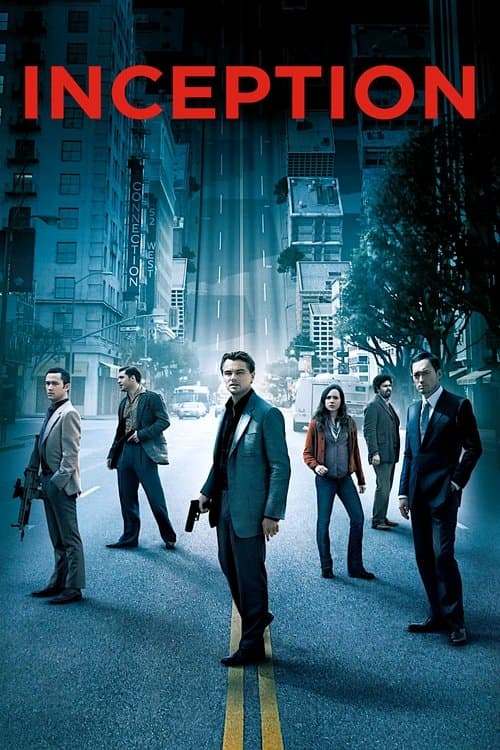
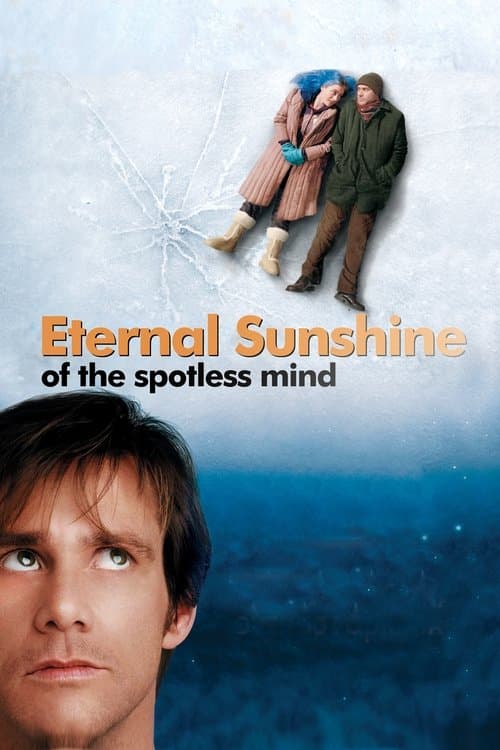
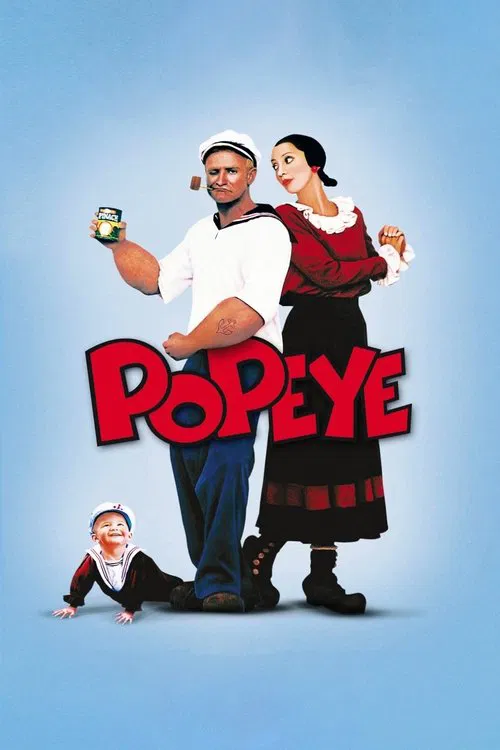
Films that share techniques with Legend include Dune (1984), Popeye (1980), Inception (2010), Eternal Sunshine of the Spotless Mind (2004).