Action · Adventure · Drama

Gladiator

Ridley Scott, 2000

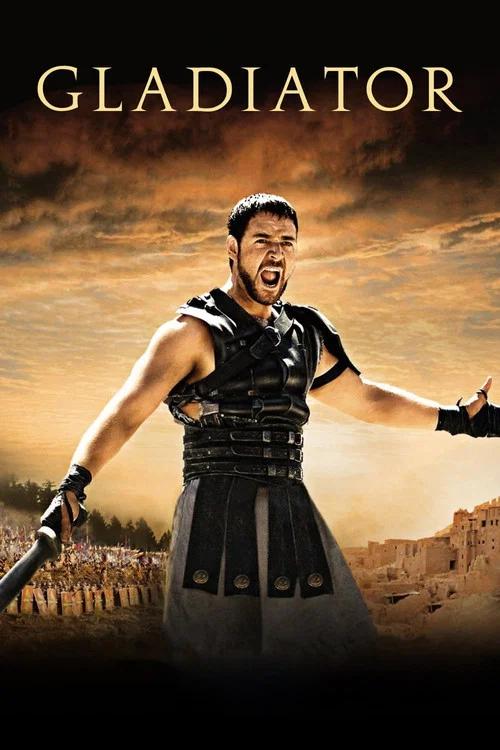
A Roman general is betrayed by the emperor's son and sold into slavery. He becomes the most famous gladiator in Rome while planning revenge on the man who destroyed his family. It's a big, operatic revenge epic. Ancient Rome is the setting for a story about political corruption and personal grief.

Gladiator (2000) poster

At a glance

Gladiator is a 2000 action, adventure and drama film directed by Ridley Scott. This breakdown covers 4 techniques (3 cinematography and 1 sound), each with the scene where you can see it. If you like how it is made, City of God uses several of the same techniques.

Cinematography

Amber Color Grading

Tinting the image in warm amber, gold or orange. Depending on the film, the glow can feel nostalgic and old-world or sickly, as if home comforts are under threat.

How this film uses it

John Mathieson's cinematography gives the whole film a warm amber tint. It is strongest in the Spanish farm scenes, which stand for the paradise Maximus has lost. The color wraps Rome's brutality in a nostalgic glow, so the empire feels beautiful and dangerous at the same time.

Where to see it

The wheat field vision sequences. The warm amber light makes the afterlife look like a memory.
Cinematography

Handheld Kinetic Cinematography

Keeping an unsteadied handheld camera in constant motion during action, panning, circling and rushing in. You feel like you are inside the event with no safe distance.

How this film uses it

Scott and Mathieson shot the Colosseum fights with handheld cameras and fast, aggressive cutting. The arena battles feel chaotic and dangerous, and nothing looks rehearsed. The camera gets knocked around by the action and never settles into a neat, composed shot.

Where to see it

Maximus's first Colosseum fight. The camera swings through sand and weapons.

Cinematography

Lyrical Yearning Image

Pausing on a wordless dreamlike image, such as a distant look, a blinding light or falling snow. The picture alone tells you what a character longs for or accepts.

How this film uses it

Throughout the film, Maximus has visions of walking through a wheat field toward his family. They are shot in warm, overly bright light and slow motion. The repeated image tells you that death, for him, means going home. That is, when the ending delivers what the vision promised, it feels peaceful and earned.

Where to see it

The final wheat field walk. As Maximus dies, the vision becomes real.

Sound

Composer Signature Score

Letting a particular composer's or musician's style define the film's sound. The music has a recognizable voice that shapes mood and character.

How this film uses it

Hans Zimmer and Lisa Gerrard's score mixes a big, sweeping orchestra with Gerrard's wordless singing. She sings in an invented language, so you feel the emotion without understanding a single word. Together, they give a huge film a human voice and keep it away from the usual sentimental music.

Where to see it

'Now We Are Free' over the closing credits. Gerrard's voice is the sound of Maximus being set free.

Questions

Gladiator: quick answers

What filmmaking techniques does Gladiator use?
CineCode breaks down 4 techniques in Gladiator (2000): Amber Color Grading, Handheld Kinetic Cinematography, Lyrical Yearning Image and Composer Signature Score.
Who directed Gladiator?
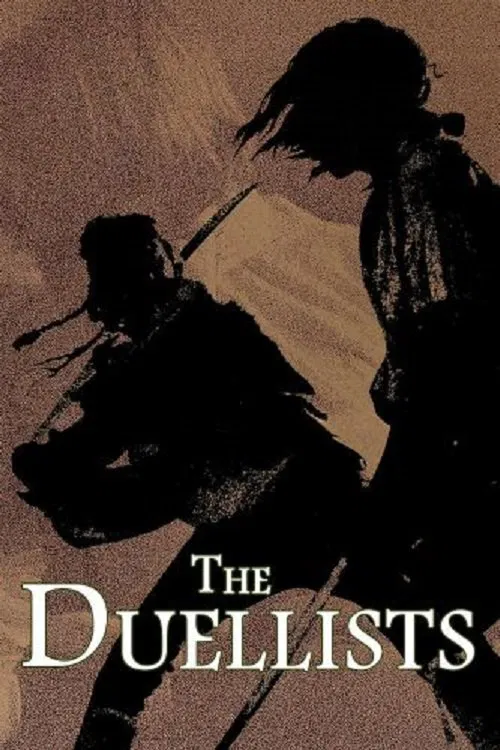
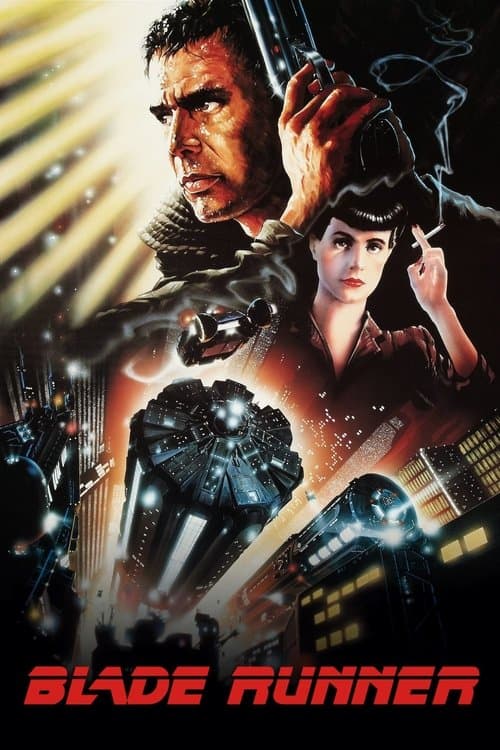
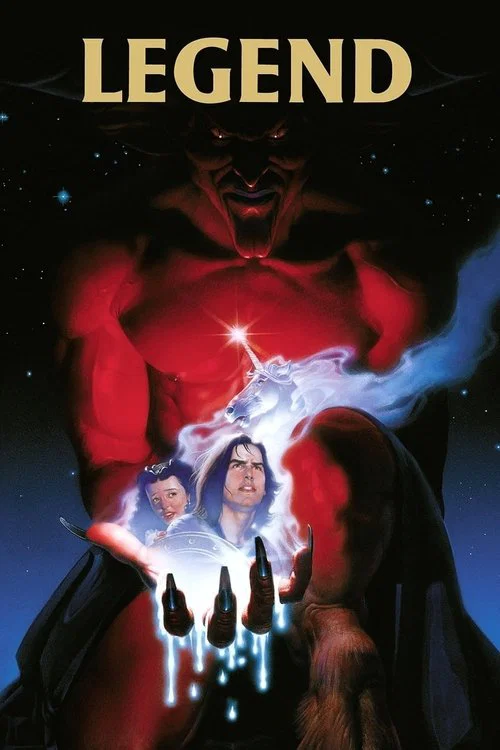
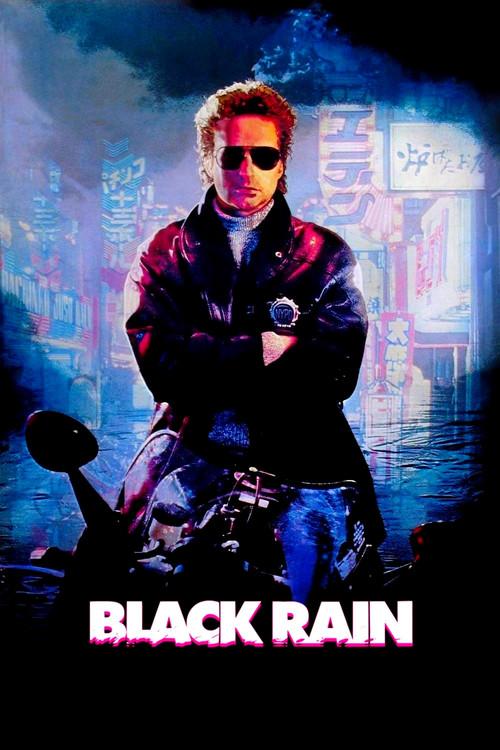
Ridley Scott directed Gladiator, released in 2000. CineCode also covers The Duellists (1977), Alien (1979), Blade Runner (1982), Legend (1985), Black Rain (1989), Thelma & Louise (1991).
What films are similar to Gladiator?
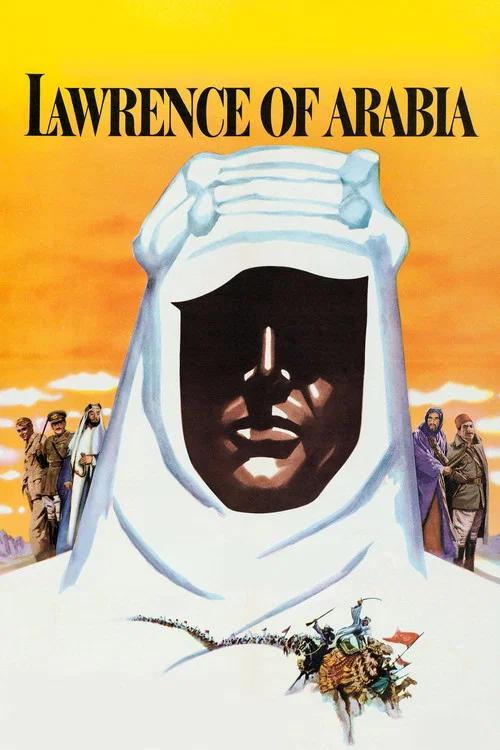
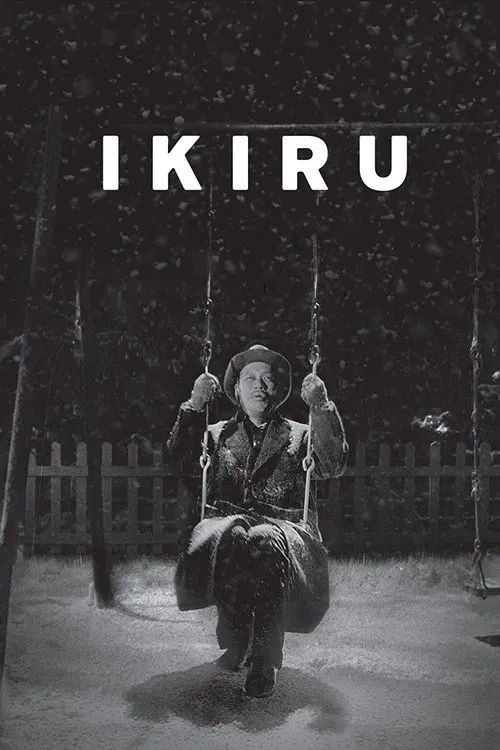
Films that share techniques with Gladiator include City of God (2002), Star Wars: A New Hope (1977), Lawrence of Arabia (1962), Ikiru (1952).