Comedy · Thriller

Burn After Reading

Joel Coen, Ethan Coen, 2008

A CIA analyst who quits over a demotion loses his memoir, and 2 gym employees find the disc and think it is a state secret. They try to sell it, and a string of affairs, shootings and misunderstandings follows. The Coens make a spy movie in which nobody knows anything.

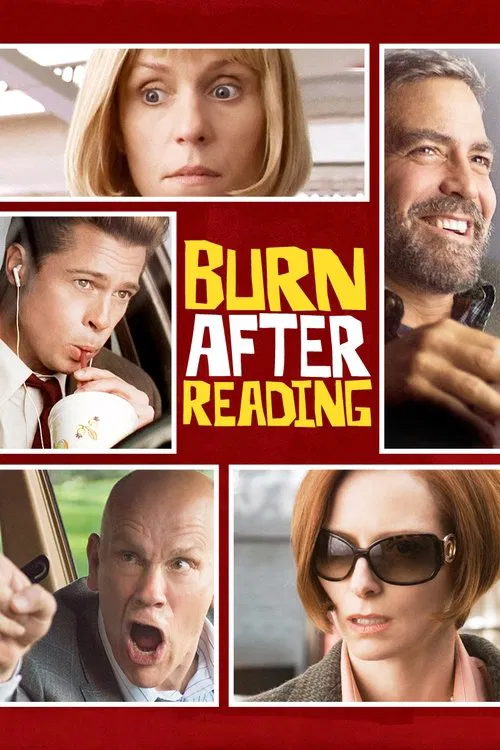
Burn After Reading (2008) poster

At a glance

Burn After Reading is a 2008 comedy and thriller film directed by Joel Coen, Ethan Coen. This breakdown covers 4 techniques (2 narrative, 1 sound and 1 psychology), each with the scene where you can see it. If you like how it is made, Blood Simple uses several of the same techniques.

Narrative

Dramatic Irony

Letting the audience know something a character doesn't. You watch them act without that knowledge, which creates suspense, dread or dark comedy.

How this film uses it

You know far more than anyone in the story. You see Harry kill Chad, so you watch him help Linda look for Chad, unaware that he is the killer. The CIA men keep trying to work out what happened while you already know.

Where to see it

The search for Chad. Linda tells Harry where Chad went before he vanished, and Harry realizes Chad is the man he shot.

Narrative

Deadpan Absurdism

Showing extreme, violent or surreal events while the characters react as if nothing unusual is happening. That mismatch is funny and unsettling at the same time.

How this film uses it

Violent deaths pile up, and the CIA men react as if they were paperwork. They do not understand what happened and decide to cover it up. The calm response to the chaos is where the comedy comes from.

Where to see it

The final CIA meeting. Smith and his superior sum up the shootings, cannot say what the point of it all was, approve Linda's surgery payment and close the file.

Sound

Pastiche Score

Writing music that imitates an older style, such as the lush themes of classic romances. The familiar sound sets up an ironic or uneasy contrast with what you see.

How this film uses it

Composer Carter Burwell and the Coens chose a loud, percussive score with Japanese taiko drums. They wanted it to sound big and important while meaning nothing. The drums puff up a story about gym employees and a lost disc.

Where to see it

Chad and Linda's blackmail attempt. They try to get a reward from Osborne for a disc they think is full of secrets.

Psychology

Status and Self-Worth Anxiety

Centering a character's fear of being unimportant, replaced or left behind. Their pursuit of rank, success or recognition shows how fragile their self-worth is.

How this film uses it

Chad and Linda believe a disc of memoir notes is sensitive government information. Harry thinks Linda is a spy. None of them is as important as they think, and you can see that long before they can.

Where to see it

The Russian embassy meeting. Chad and Linda try to sell the disc to a Russian official.

Questions

Burn After Reading: quick answers

What filmmaking techniques does Burn After Reading use?
CineCode breaks down 4 techniques in Burn After Reading (2008): Dramatic Irony, Deadpan Absurdism, Pastiche Score and Status and Self-Worth Anxiety.
Who directed Burn After Reading?
Joel Coen, Ethan Coen directed Burn After Reading, released in 2008. CineCode also covers Blood Simple (1985), Raising Arizona (1987), Miller's Crossing (1990), Barton Fink (1991), The Hudsucker Proxy (1994), Fargo (1996).
What films are similar to Burn After Reading?
Films that share techniques with Burn After Reading include Blood Simple (1985), Lolita (1962), Bottle Rocket (1996), Barking Dogs Never Bite (2000).