Romance · Drama · Comedy

Café Society

Woody Allen, 2016

In the 1930s, a young New Yorker goes to Hollywood to work for his agent uncle and falls for the uncle's secretary, who is secretly the uncle's mistress. Years later their paths cross again. Worth watching for how the film ends on a quiet look instead of a kiss.

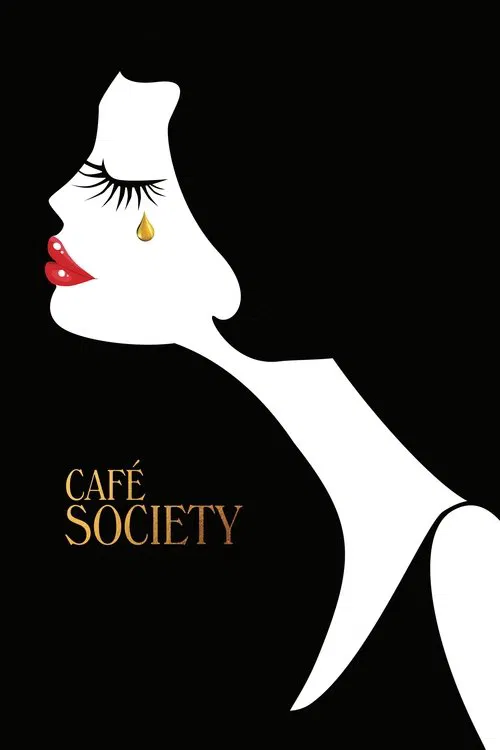
Café Society (2016) poster

At a glance

Café Society is a 2016 romance, drama and comedy film directed by Woody Allen. This breakdown covers 4 techniques (2 narrative, 1 editing and 1 psychology), each with the scene where you can see it. If you like how it is made, Jules and Jim uses several of the same techniques.

Narrative

Retrospective Voiceover

Having a narrator tell the story from some point after it happened. The events feel like memory, and you sense early on that something will be lost.

How this film uses it

Woody Allen narrates the story in an uncredited voiceover. The tone is a mild, weary look back at a love that did not work out. That distance makes the film feel like a memory, and you sense early on that something will be lost.

Where to see it

The voiceover throughout. Allen's narration introduces the Dorfman family, Bobby's move to Hollywood and the people he meets.

Narrative

Romantic Triangle Geometry

Building a love story around 3 people, where each pair has its own relationship and the third person always gets in the way. Your sympathy shifts because each of them has a fair claim.

How this film uses it

Bobby falls for Vonnie, but she is secretly seeing his uncle Phil. When Phil decides to leave his wife for her, she has to choose. Each pairing has its own history, and you feel for all three.

Where to see it

The choice. Bobby sees the Valentino letter in Phil's office, realizes who "Doug" is and asks Vonnie to choose. She chooses Phil.

Editing

Parallel Crosscutting

Alternating between simultaneous lines of action in different places or worlds. The cuts build suspense or draw a comparison between the threads.

How this film uses it

On New Year's Eve, Bobby hosts his nightclub in New York and Vonnie is at a party in Hollywood. The film moves between them as the new year arrives. Both look distant to the people next to them.

Where to see it

The New Year's Eve ending. Bobby and Vonnie ring in the new year in different cities, each with a faraway look.

Psychology

Regret and Letting Go

Following a character who carries a past love or lost chance and has to release it. Acceptance, not victory, becomes the emotional resolution.

How this film uses it

Bobby is married to Veronica and Vonnie to Phil. They have kissed once at dawn in Central Park and agreed not to see each other. At midnight both seem lost in thought. You get the ache of a love that cannot be, which is more moving because nothing is said.

Where to see it

The final look. Both look away from their spouses, thinking of each other, as the new year begins.

Questions

Café Society: quick answers

What filmmaking techniques does Café Society use?
CineCode breaks down 4 techniques in Café Society (2016): Retrospective Voiceover, Romantic Triangle Geometry, Parallel Crosscutting and Regret and Letting Go.
Who directed Café Society?
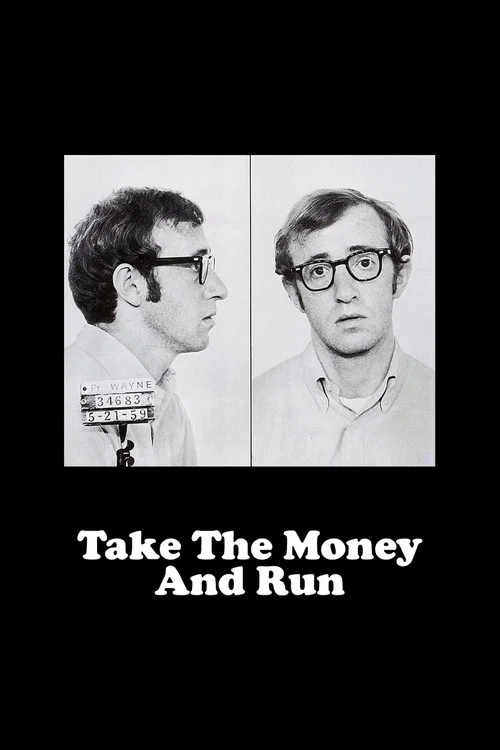
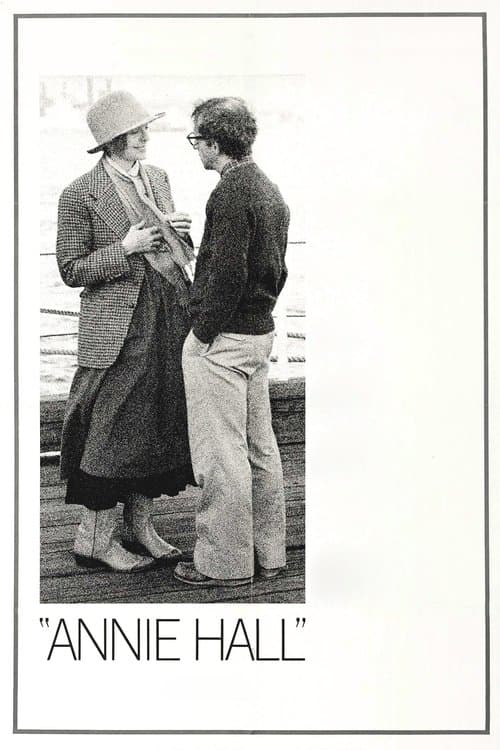
Woody Allen directed Café Society, released in 2016. CineCode also covers Take the Money and Run (1969), Bananas (1971), Everything You Always Wanted to Know About Sex *But Were Afraid to Ask (1972), Sleeper (1973), Love and Death (1975), Annie Hall (1977).
What films are similar to Café Society?
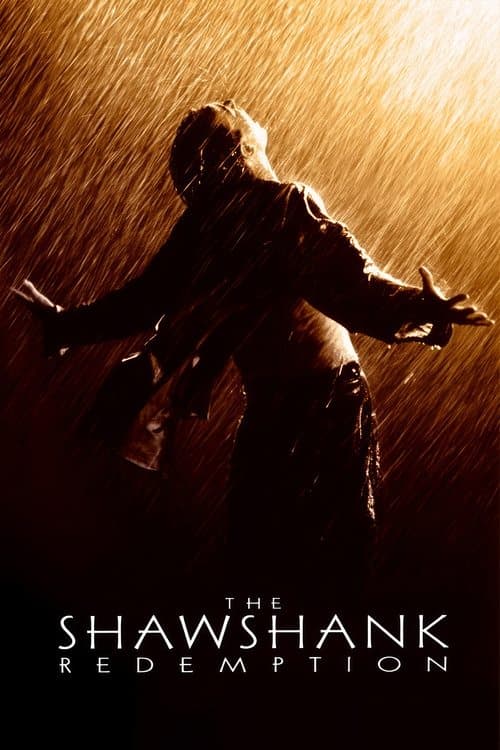
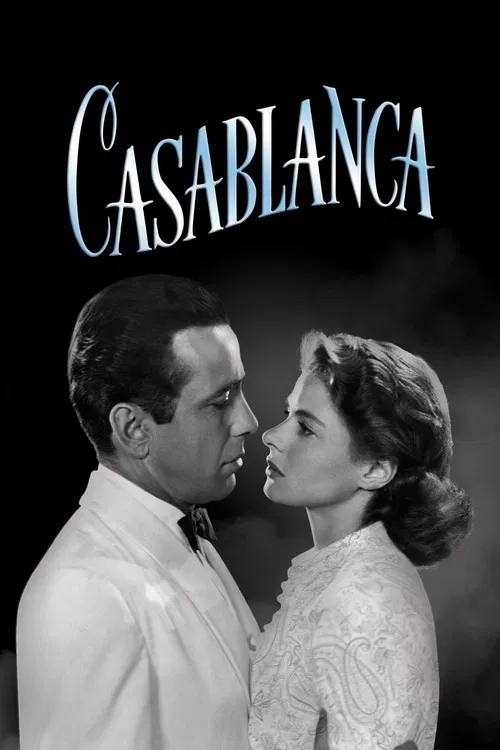
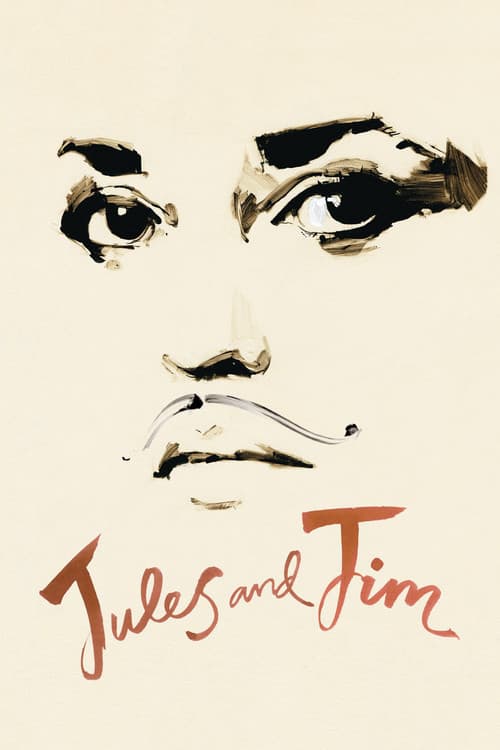
Films that share techniques with Café Society include Jules and Jim (1962), Always (1989), The Shawshank Redemption (1994), Casablanca (1942).