Romance · Fantasy · Drama

Always

Steven Spielberg, 1989

Pete, a reckless firefighting pilot, dies on a mission and returns as a spirit to guide a new pilot who falls for Pete's girlfriend, Dorinda. It remakes the 1943 film A Guy Named Joe. Watch how a ghost story gets staged around a character nobody else can see.

Always (1989) poster

At a glance

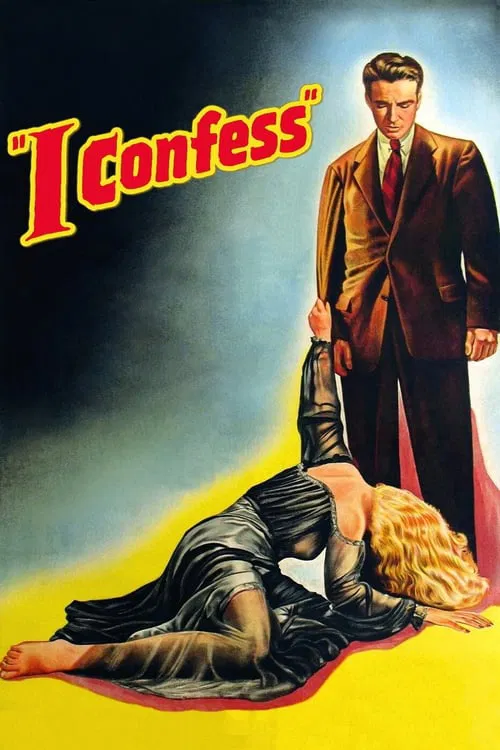
Always is a 1989 romance, fantasy and drama film directed by Steven Spielberg. This breakdown covers 4 techniques (2 narrative, 1 cinematography and 1 psychology), each with the scene where you can see it. If you like how it is made, I Confess uses several of the same techniques.

Narrative

Romantic Triangle Geometry

Building a love story around 3 people, where each pair has its own relationship and the third person always gets in the way. Your sympathy shifts because each of them has a fair claim.

How this film uses it

Pete, Dorinda and Ted form a triangle where one of them is dead. Pete guides Ted and watches Dorinda fall for him. Each pair has its own relationship, and you feel for all three.

Where to see it

The scenes where Pete watches Dorinda and Ted. He wants her to be happy and hates giving her up.
Narrative

Dramatic Irony

Letting the audience know something a character doesn't. You watch them act without that knowledge, which creates suspense, dread or dark comedy.

How this film uses it

You can see Pete, but Dorinda and Ted cannot. You know what he is thinking and what he wishes he could say. That gap creates the sadness and the small comedy of the film.

Where to see it

Pete's scenes with Dorinda after his death. She can't see him, and you can.

Cinematography

Ghost Presentation

Showing ghosts through design and staging, such as visible wounds or blocking that places them among the living unseen. The look explains their death and their isolation.

How this film uses it

Pete stands in scenes with the living while they can't see him. The camera keeps the living characters in view and lets you share Pete's helplessness. The staging does the work that effects would do in another film.

Where to see it

The scenes where Pete coaches Ted. Pete guides him while Ted doesn't know he is there.

Psychology

Regret and Letting Go

Following a character who carries a past love or lost chance and has to release it. Acceptance, not victory, becomes the emotional resolution.

How this film uses it

Pete's last job is to let Dorinda go. He accepts that she should move on with Ted. The film ends on acceptance of a loss, not a rescue.

Where to see it

The final stretch. Pete lets Dorinda go so she can move on with Ted.

Questions

Always: quick answers

What filmmaking techniques does Always use?
CineCode breaks down 4 techniques in Always (1989): Romantic Triangle Geometry, Dramatic Irony, Ghost Presentation and Regret and Letting Go.
Who directed Always?
Steven Spielberg directed Always, released in 1989. CineCode also covers Duel (1971), Jaws (1975), Close Encounters of the Third Kind (1977), 1941 (1979), Raiders of the Lost Ark (1981), E.T. the Extra-Terrestrial (1982).
What films are similar to Always?
Films that share techniques with Always include I Confess (1953), Peggy Sue Got Married (1986), Café Society (2016), Wonder Wheel (2017).