Drama · Romance

Jules and Jim

François Truffaut, 1962

2 best friends, Austrian Jules and French Jim, fall in love with the same free-spirited woman named Catherine. The story covers 2 decades, the First World War and 3 desires that can't fit together. François Truffaut's film is about how impossible it is to love the same person in the same way at the same time.

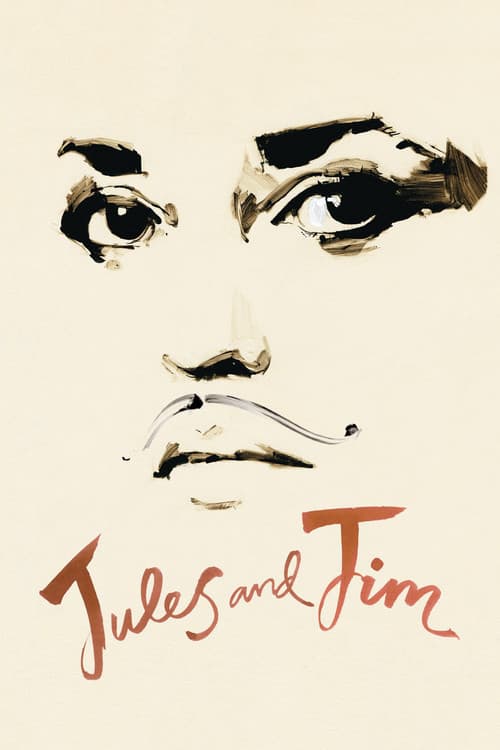
Jules and Jim (1962) poster

At a glance

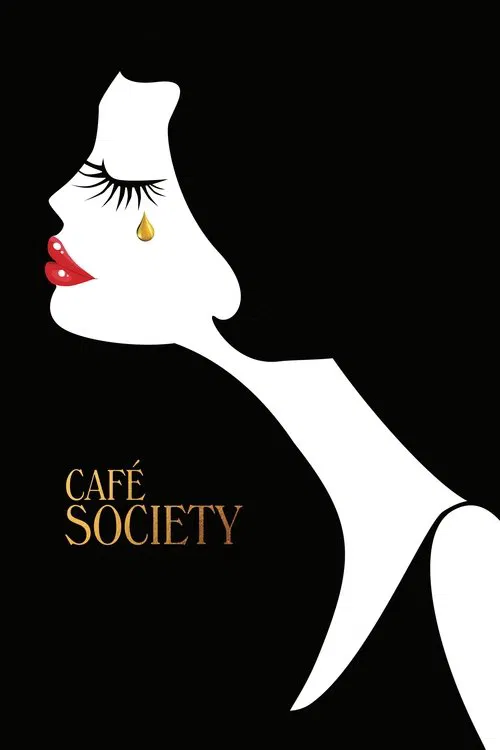
Jules and Jim is a 1962 drama and romance film directed by François Truffaut. This breakdown covers 4 techniques (2 editing and 2 narrative), each with the scene where you can see it. If you like how it is made, Café Society uses several of the same techniques.

Editing

Jump Cut Propulsion

Cutting out bits of time within a continuous shot so the image suddenly jumps forward. This adds energy and urgency, shortens the scene and reminds you the film is constructed.

How this film uses it

The French New Wave was known for the jump cut, an abrupt cut that skips ahead within the same shot. Truffaut applies it to a film about erratic desire. The editing matches Catherine's unpredictability. The film's rhythm is as unstable as the relationship it shows.

Where to see it

The racing sequence, where Catherine sprints across the bridge ahead of Jules and Jim. Jump cuts speed up her movement. She has already won before the men catch up.
Editing

Freeze Frame Punctuation

Stopping the picture on a single still frame for a moment. It works like punctuation to introduce a character, underline a joke or mark a turning point.

How this film uses it

Truffaut freezes the frame on Catherine's face as she pulls faces at Jules and Jim in the country. The still image holds her expression for a moment. She is fixed as an image the men can look at but never keep.

Where to see it

Catherine's face, frozen as she makes faces at Jules and Jim in the country. The freeze makes her something to look at before the men can understand her.

Narrative

Retrospective Voiceover

Having a narrator tell the story from some point after it happened. The events feel like memory, and you sense early on that something will be lost.

How this film uses it

Michel Subor's narration watches the 3 of them from a distance in time. It describes their happiness in the past tense while the film shows it happening in the present. Every joy comes with the knowledge that it won't last.

Where to see it

The narration describing their pre-war friendship. The voice speaks from the future. It watches the innocent past knowing everything the war and Catherine will take.

Narrative

Romantic Triangle Geometry

Building a love story around 3 people, where each pair has its own relationship and the third person always gets in the way. Your sympathy shifts because each of them has a fair claim.

How this film uses it

Truffaut follows the changing shape of the love triangle across 20 years. Jules loves Catherine, Jim loves Catherine and Catherine loves the idea of both. The film keeps track of every change in who is loving whom and who is being left out.

Where to see it

The 3 of them cycling together. Where each body sits in the frame shows you how the feelings are shifting. Who is closest to Catherine changes from frame to frame.

Questions

Jules and Jim: quick answers

What filmmaking techniques does Jules and Jim use?
CineCode breaks down 4 techniques in Jules and Jim (1962): Jump Cut Propulsion, Freeze Frame Punctuation, Retrospective Voiceover and Romantic Triangle Geometry.
Who directed Jules and Jim?
François Truffaut directed Jules and Jim, released in 1962. CineCode also covers The 400 Blows (1959), Shoot the Piano Player (1960), Fahrenheit 451 (1966), Stolen Kisses (1968), Bed and Board (1970), The Wild Child (1970).
What films are similar to Jules and Jim?
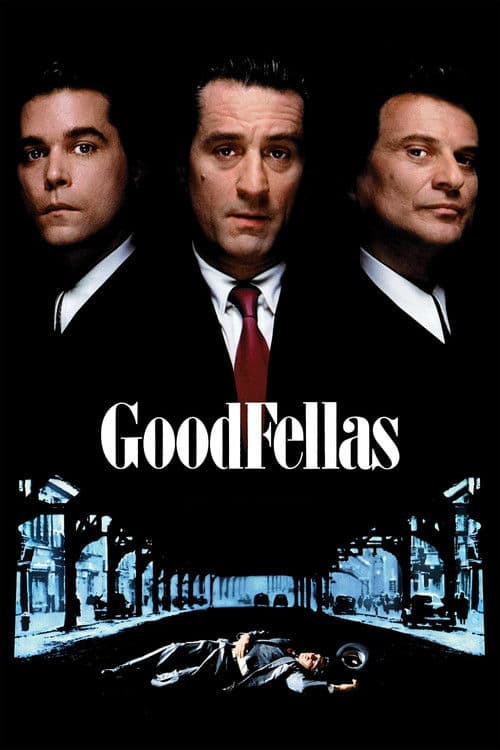
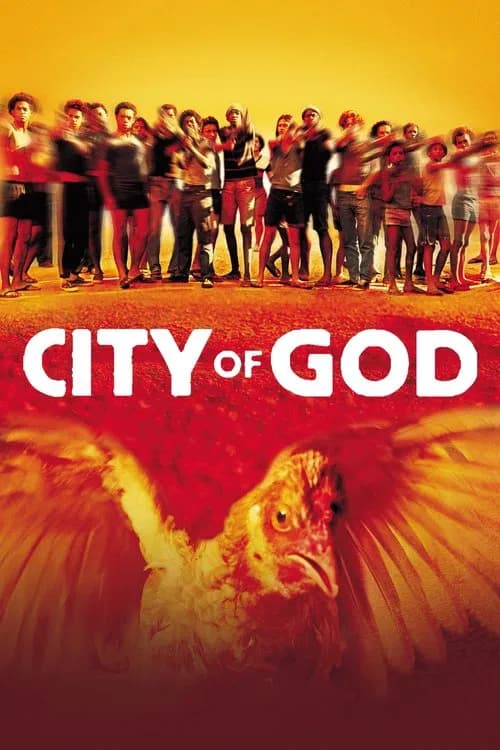
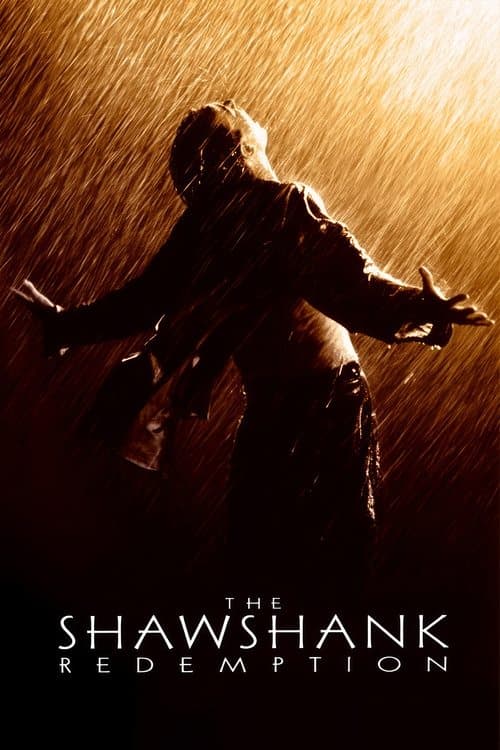
Films that share techniques with Jules and Jim include Café Society (2016), The Shawshank Redemption (1994), Goodfellas (1990), City of God (2002).