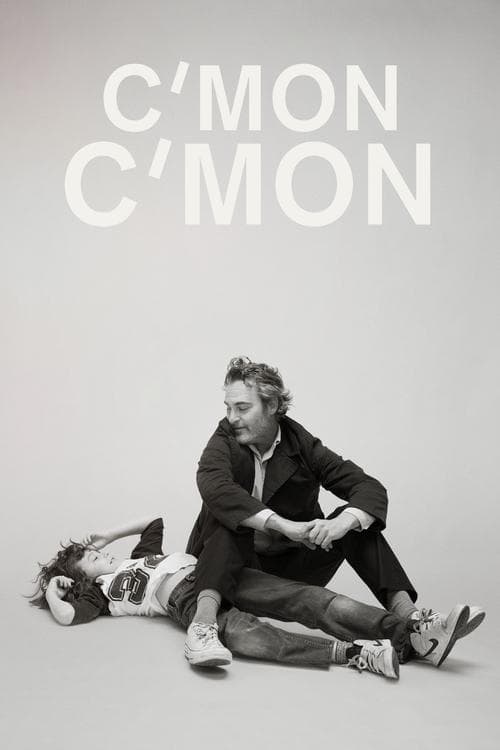
C'mon C'mon
Mike Mills · 2021
A radio journalist unexpectedly becomes temporary guardian of his nine-year-old nephew while traveling America interviewing children about the future — and the relationship between the two reveals what each of them is missing and needs. Mike Mills' film is a conversation between an adult who has stopped listening and a child who will not stop asking.
Techniques Used
4 techniques identified in this film
Black-and-White as Moral Urgency
CinematographyThe use of monochrome photography to impose a moral weight on material, the absence of color lending events a documentary seriousness.
How this film uses it
Robbie Ryan shoots in black-and-white to remove the distraction of color from the film's emotional content — the monochrome focusing the audience's attention on faces, on the quality of listening, on the texture of the relationship rather than the visual environment.
Handheld Documentary Texture
CinematographyA shooting approach that replicates documentary footage using erratic handheld movement and imperfect framing to simulate the chaos of real events.
How this film uses it
Ryan's handheld photography gives the film the quality of the radio documentaries Johnny is making — the camera catching rather than composing, the imperfect framing encoding genuine presence rather than aesthetic construction.
Child's Forced Moral Burden
PsychologyA narrative that places adult moral complexity in the field of vision of a child who must navigate situations beyond their comprehension.
How this film uses it
Jesse understands his father's mental illness with the partial comprehension of a child who has absorbed more than he should — his knowledge sophisticated enough to cause him pain, incomplete enough to leave him without the adult tools to process it.
Observational Restraint
NarrativeA filmmaking approach that withholds explanation, allowing behavior and environment to communicate character meaning without dialogue.
How this film uses it
Mills films the relationship between Johnny and Jesse developing through ordinary time — hotel rooms, city walks, arguments about bedtime — the affection growing visible through accumulated observation rather than declared in any single scene.
You Might Also Like
Films that share at least one technique with C'mon C'mon

A German industrialist uses Jewish slave labor to run his factory during the Holocaust, then risks everything to save as many lives as possible. Shot in near-total black and white, the film is cinema's most sustained act of bearing witness to atrocity.
Schindler's List
Steven Spielberg · 1993
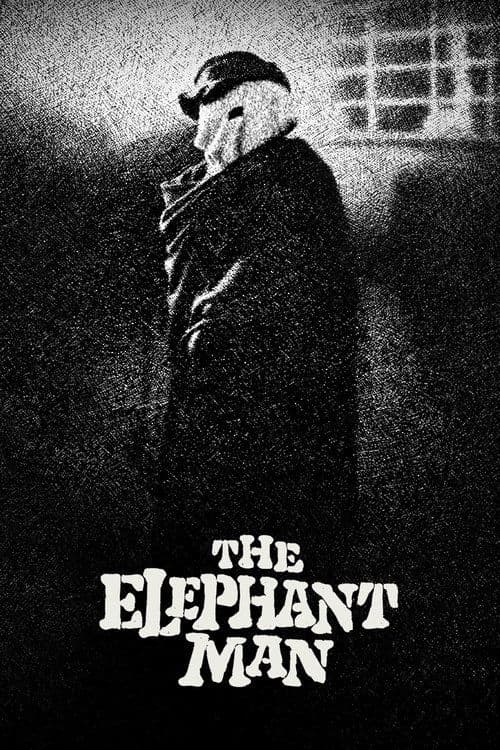
John Merrick — the severely deformed Victorian man exhibited as a carnival freak — is rescued by a London surgeon and discovers, for the first time, a life of dignity and human connection. Lynch's most emotionally direct film uses black-and-white imagery to ask what humanity actually requires.
The Elephant Man
David Lynch · 1980
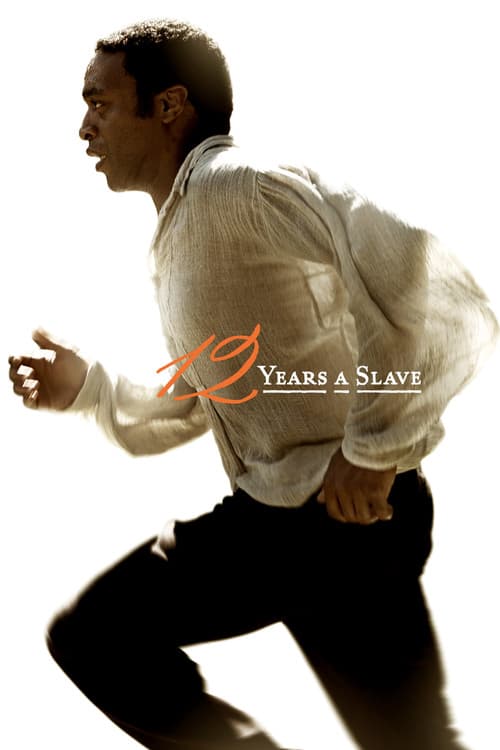
Solomon Northup, a free Black man from New York, is kidnapped and sold into slavery in Louisiana, where he spends twelve years surviving the systematic brutality of the antebellum South before being rescued. Steve McQueen's film refuses every convention of historical suffering — it looks without flinching and does not offer the comfort of resolution.
12 Years a Slave
Steve McQueen · 2013