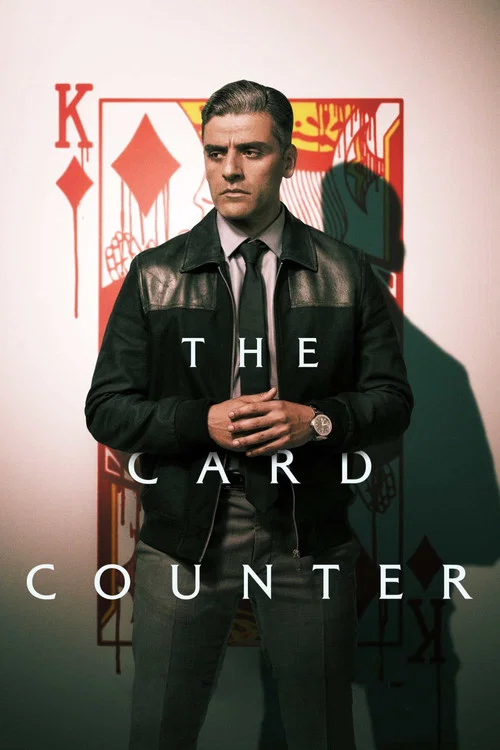
William Tell is a quiet gambler who moves between casinos and motels, counting cards and betting small. He is also a former Abu Ghraib guard who learned the skill in military prison. When a young man shows up wanting revenge on their old commander, Tell must decide what to do with his past.
The Card Counter is a 2021 drama, thriller and crime film directed by Paul Schrader. This breakdown covers 5 techniques (2 cinematography, 1 psychology, 1 narrative and 1 sound), each with the scene where you can see it. If you like how it is made, Cries and Whispers uses several of the same techniques.
Designing the sets to reflect what is going on inside a character. The place they live in tells you things about them that the dialogue doesn't.
How this film uses it
Tell strips every motel room he stays in and covers the furniture with white sheets. The bare rooms say he lives like a prisoner who has never left his cell. At the end he does the same thing to another man's house.
Where to see it
Motel routine: Tell stays in motels where he strips the decor and covers furniture with sheets.
Letting a character's guilt over a past wrong shape what they do now. The wrong may come out late or only be hinted at, but it colors every choice.
How this film uses it
Tell never speaks about Abu Ghraib at first, yet it shapes everything he does. He bets small and avoids attention. His guilt decides whether he helps Cirk, and how.
Where to see it
Panama City: Tell interrogates Cirk harshly, gives him $150,000 and orders him home.
Telling the story from the side of the person doing the harm, and letting you inside their head. You start to understand them, which is more uncomfortable than simply condemning them.
How this film uses it
The story follows the man who did the harm. You spend the whole film inside Tell's head, and it is uncomfortable to understand him. The film refuses to let you simply condemn him or forgive him.
Where to see it
Atlantic City: Cirk recognizes Tell as William Tillich, a convicted Abu Ghraib guard.
Shooting mainly on very wide lenses so edges stretch and rooms bend. The warped space makes a scene feel like a memory or a dream.
How this film uses it
The Abu Ghraib scenes bend at the edges as the camera roams the prison. They were shot with an 8mm fisheye lens on a Steadicam, which gives a floating first-person view. The warped look feels more like a nightmare than a memory.
Where to see it
Abu Ghraib flashbacks: Tell's memories of the prison drift into the story as distorted, maze-like scenes.
Using sounds the characters themselves can hear, like footsteps, radios or traffic, to build tension or show how someone feels. The sound does more than make the scene realistic.
How this film uses it
The flashbacks have the harsh noise of black metal blaring over speakers, which the interrogators in the story use. The characters hear it and so do you. Pairing it with the fisheye image makes the scenes hard to sit through.
Where to see it
Abu Ghraib flashback sound: Interrogators blast black metal over speakers in Tell's memories of the prison.
Questions
The Card Counter: quick answers
What filmmaking techniques does The Card Counter use?
CineCode breaks down 5 techniques in The Card Counter (2021): Production Design as Psychological Space, Guilt as Hidden Motive, Perpetrator Perspective, Wide Lens Immersion and Diegetic Sound Design.
Who directed The Card Counter?
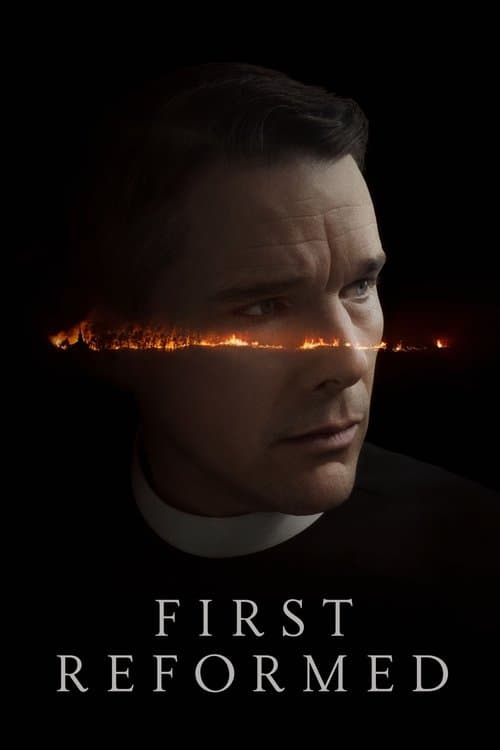
Paul Schrader directed The Card Counter, released in 2021. CineCode also covers First Reformed (2017).
What films are similar to The Card Counter?
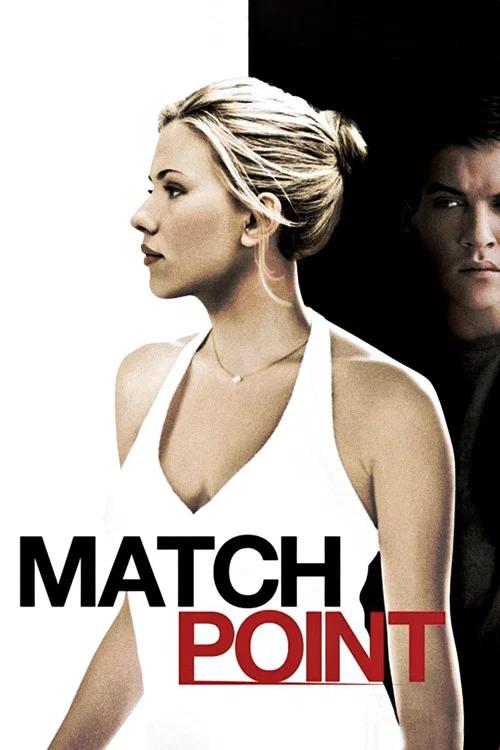
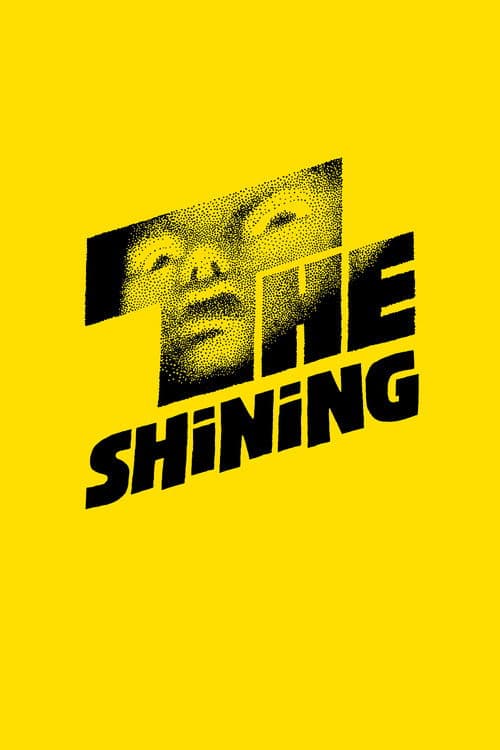
Films that share techniques with The Card Counter include Cries and Whispers (1972), Match Point (2005), Parasite (2019), The Shining (1980).