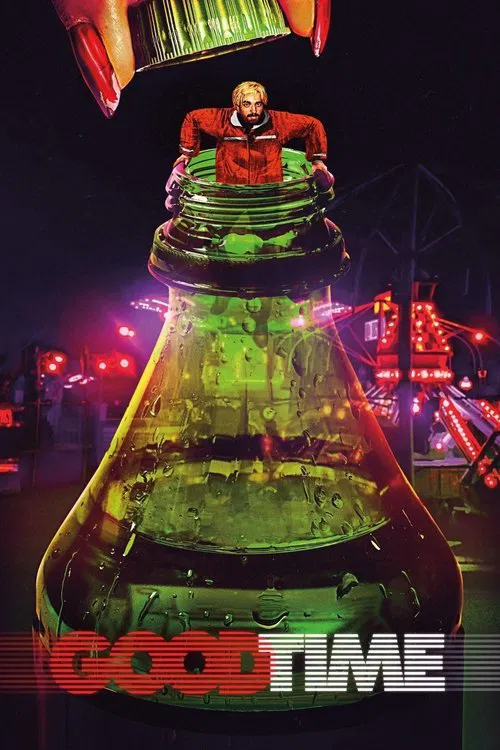
After a bank robbery goes wrong, Connie Nikas spends one long night in New York trying to free his brother Nick from police custody. Each fix makes things worse. For a filmmaker, the thing to watch is how the Safdies stay close on faces and keep the pace so tight that you never get a breath.
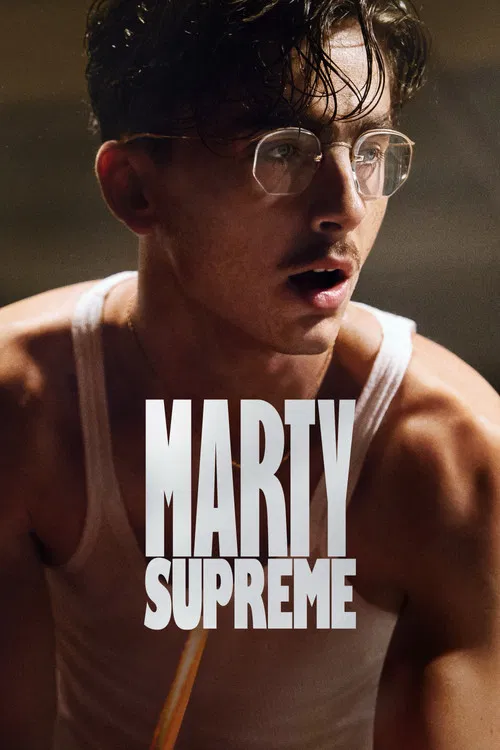
Good Time is a 2017 crime, thriller and drama film directed by Josh Safdie, Benny Safdie. This breakdown covers 5 techniques (3 narrative, 1 cinematography and 1 sound), each with the scene where you can see it. If you like how it is made, Marty Supreme uses several of the same techniques.
Building the story around a clear deadline the hero must beat. The time pressure and the obstacles grow with each scene until the climax.
How this film uses it
The story runs from the robbery through one night and into the next morning. Connie needs money and a plan before the police catch up, and every new scene shrinks his options. You feel the hours slipping away with him.
Where to see it
The bail bond scramble. Connie talks his girlfriend Corey into paying the remaining $10,000 with her mother's credit card, then learns the card has been canceled.
Holding a close-up on an actor's face long enough to catch tiny changes in expression. You read what the character is thinking from details a wider shot would miss.
How this film uses it
The film opens on Nick in a therapy session, with the camera tight on his face as a psychiatrist questions him. The Safdies keep that closeness for the rest of the film, so you read Connie's lies and panic from his face. You are always crowded in with him.
Where to see it
The opening therapy session. Nick's psychiatrist probes how he thinks, until Connie bursts in and pulls him out.
Scoring with synthesizers, club beats or electronic instruments. The texture can suggest a period, a mood or a character's inner state.
How this film uses it
Oneohtrix Point Never's synthesizer score pulses under the chase and gives the night a hazy, nervous glow. It won the Soundtrack Award at Cannes in 2017. The music pushes you forward even when the characters stand still.
Where to see it
The end credits. Iggy Pop sings "The Pure and the Damned" over the closing titles, in a collaboration with the score's composer.
Telling the story as a loose string of separate adventures, often following a low-status hero through different levels of society. With no single plot, the episodes add up to a portrait of a world.
How this film uses it
Connie bounces from a bail bondsman to a hospital, a stranger's house, an amusement park and an apartment. Each stop works like its own short story with new people and a new danger. Together they show a city full of people with very little to lose.
Where to see it
The Adventureland sequence. Connie and Ray search a haunted house ride for hidden money, find only a bottle of LSD and run into a security guard.
Letting each fix a desperate character tries cause a bigger problem, so the story is driven by the hero's own bad choices. Every solution digs the hole deeper.
How this film uses it
Connie breaks out the wrong man from the hospital, and that mistake drags in a 16-year-old girl, a borrowed car and an amusement park guard. You keep hoping he will stop and think. He never does.
Where to see it
The hospital breakout. Connie sneaks a bandaged patient out past a guard, then learns he has freed a different criminal named Ray, not his brother.
Questions
Good Time: quick answers
What filmmaking techniques does Good Time use?
CineCode breaks down 5 techniques in Good Time (2017): Ticking Clock Structure, Deliberate Close-Up Performance, Electronic Score, Picaresque Structure and Error-Driven Plot Escalation.
Who directed Good Time?
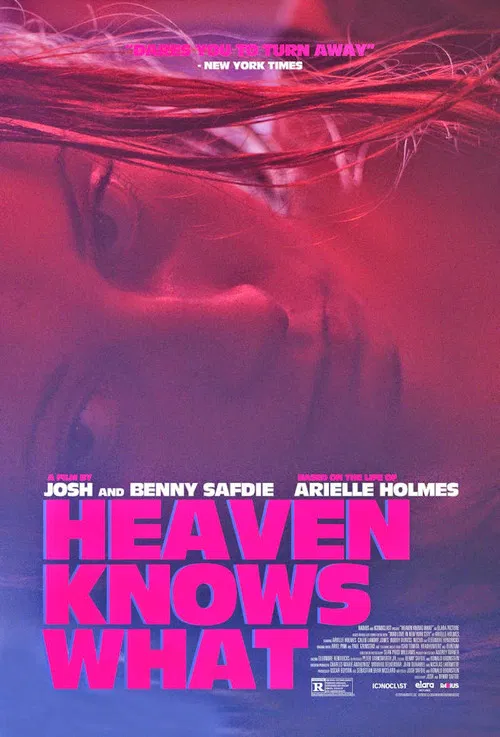
Josh Safdie, Benny Safdie directed Good Time, released in 2017. CineCode also covers Heaven Knows What (2015), Uncut Gems (2019), Marty Supreme (2025).
What films are similar to Good Time?
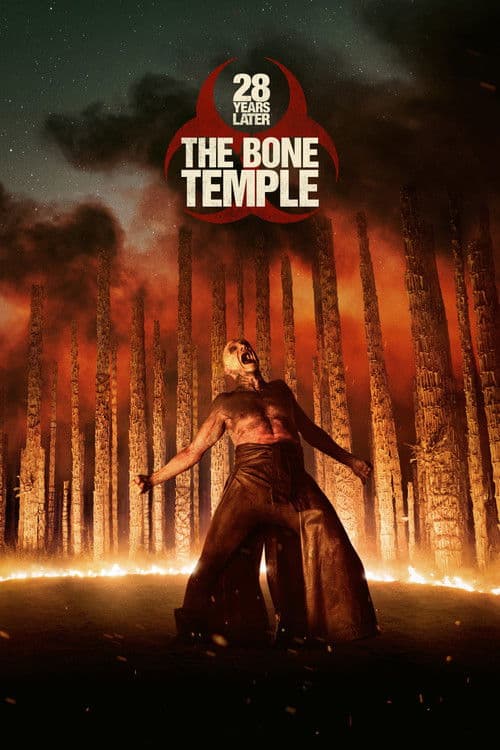
Films that share techniques with Good Time include Marty Supreme (2025), Heaven Knows What (2015), 28 Years Later: The Bone Temple (2026), Forrest Gump (1994).