Drama · Comedy

I Vitelloni

Federico Fellini, 1953

Five young men in a small Adriatic town drift through their days, chasing women and avoiding work. A beauty queen's pregnancy forces one of them into marriage, but he is not ready to change. Worth watching for how Fellini ends with one friend leaving.

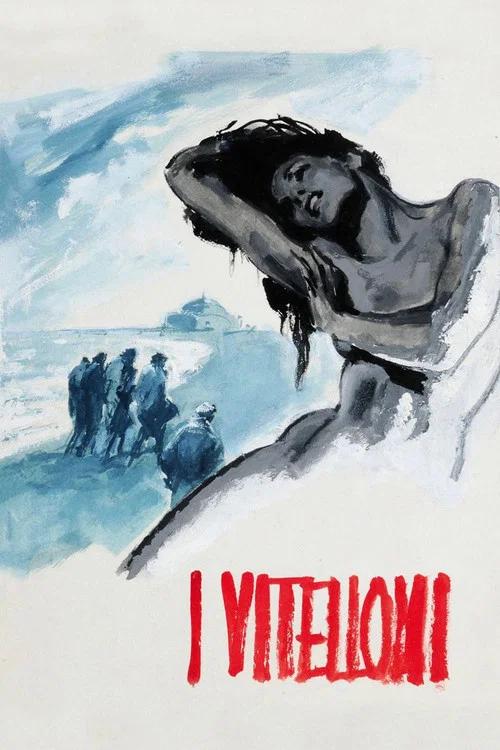
I Vitelloni (1953) poster

At a glance

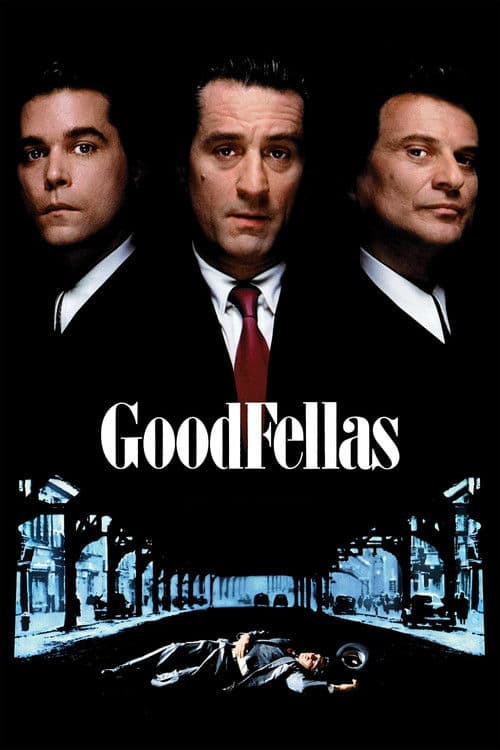
I Vitelloni is a 1953 drama and comedy film directed by Federico Fellini. This breakdown covers 5 techniques (3 narrative, 1 psychology and 1 editing), each with the scene where you can see it. If you like how it is made, Goodfellas uses several of the same techniques.

Narrative

Chorus Commentary

Using a group, such as a chorus or a village, that comments on events and voices the community's view, framing the main action.

How this film uses it

A narrator's voice speaks about the group and its small-town life. It frames their adventures as a shared story that the whole town tells.

Where to see it

The opening and closing: the narrator introduces the friends and then watches them drift.
Narrative

The Party as Transgression

Using a party or celebration as the place where normal rules are dropped and characters show who they really are. Afterwards, order often comes back down hard.

How this film uses it

At a masquerade ball, normal rules are dropped. Alberto does a surreal dance in drag, and Fausto's pursuit of Giulia gets him into trouble.

Where to see it

The carnival ball: Alberto dances in costume while Fausto chases another woman and loses his job.

Psychology

Self-Image Sabotage

Letting a character's belief about themselves undermine their talent or fortune. They wreck their own chances because of how they see who they are.

How this film uses it

Fausto sees himself as a charming ladies' man, and that image wrecks his marriage and job. He keeps chasing the next conquest as Sandra waits at home.

Where to see it

Fausto and Sandra: after the shotgun wedding he keeps cheating, and she leaves with their baby.

Editing

Freeze Frame Punctuation

Stopping the picture on a single still frame for a moment. It works like punctuation to introduce a character, underline a joke or mark a turning point.

How this film uses it

Fellini stops the picture on young Guido on a railroad track. The still frame closes the film like a period at the end of a sentence.

Where to see it

The final shot: Moraldo leaves on a train, and the picture freezes on the boy Guido on the tracks.

Narrative

Departure Ending

Ending the film with one character leaving while the others stay behind. The exit shows what staying costs the rest.

How this film uses it

Moraldo boards a train out of town while his friends are still asleep. You understand what the town does to people who never leave.

Where to see it

The train: Moraldo leaves town, imagining his friends sleeping through their lives.

Questions

I Vitelloni: quick answers

What filmmaking techniques does I Vitelloni use?
CineCode breaks down 5 techniques in I Vitelloni (1953): Chorus Commentary, The Party as Transgression, Self-Image Sabotage, Freeze Frame Punctuation and Departure Ending.
Who directed I Vitelloni?
Federico Fellini directed I Vitelloni, released in 1953. CineCode also covers La Strada (1954), Nights of Cabiria (1957), La Dolce Vita (1960), 8½ (1963), Juliet of the Spirits (1965), Fellini Satyricon (1969).
What films are similar to I Vitelloni?
Films that share techniques with I Vitelloni include Goodfellas (1990), One Flew Over the Cuckoo's Nest (1975), Seven Samurai (1954), Snatch (2000).