Crime · Film Noir · Thriller

The Big Heat

Fritz Lang, 1953

Police sergeant Dave Bannion investigates a fellow officer's apparent suicide and runs into a city run by the mob. When his wife is killed by a car bomb, he goes after the gangsters on his own. Worth watching for how Lang makes sudden violence feel like it could walk into any house.

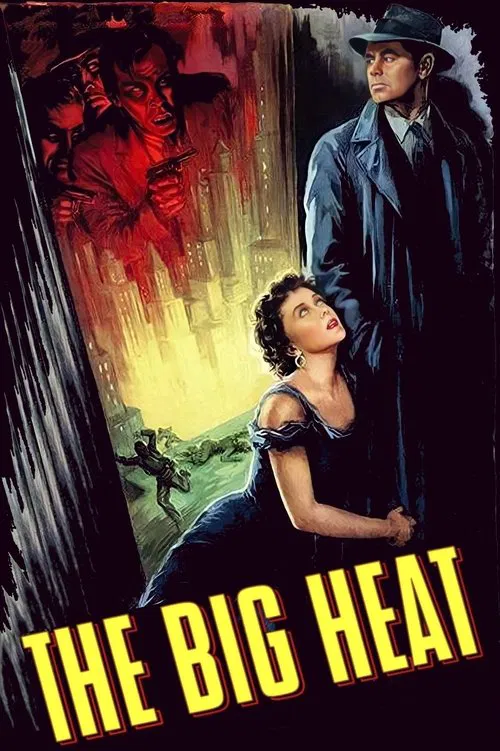
The Big Heat (1953) poster

At a glance

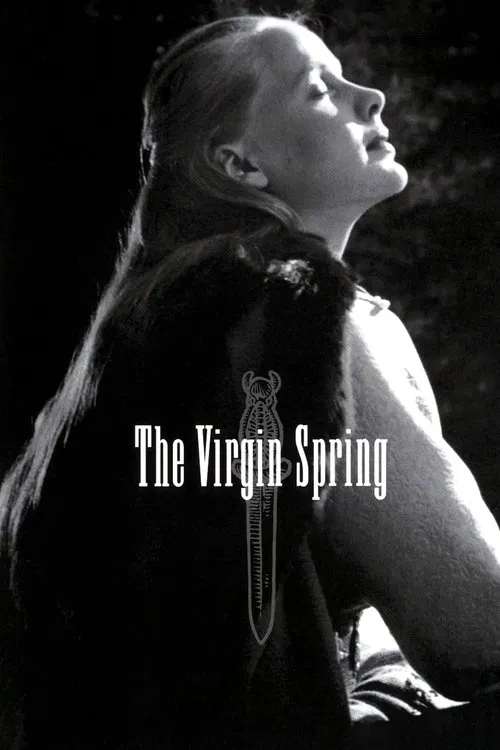
The Big Heat is a 1953 crime, film noir and thriller film directed by Fritz Lang. This breakdown covers 5 techniques (3 narrative, 1 psychology and 1 cinematography), each with the scene where you can see it. If you like how it is made, The Virgin Spring uses several of the same techniques.

Narrative

Threat in Everyday Settings

Placing a menace in crowded or ordinary places such as streets, parks and suburbs, so ordinary spaces turn unsafe and bystanders offer no protection.

How this film uses it

Bannion has a quiet home life with his wife Katie. The mob reaches into that home, so ordinary rooms and cars stop feeling safe.

Where to see it

The car bomb: a bomb kills Bannion's wife Katie, which turns his investigation into something personal.
Narrative

Revenge Consequences

Tracing revenge across its aftermath, showing how vengeance repeats or leaves the avenger empty instead of delivering satisfaction.

How this film uses it

Bannion starts as a by-the-book cop and ends up outside the rules. The film shows what his anger costs the people around him.

Where to see it

Bannion's pursuit: after Katie's death he goes after the syndicate and Vince Stone, and others get hurt along the way.

Narrative

Genre Subversion

Setting up a film to look like a familiar genre, then breaking that genre's rules on purpose. You have to rethink what kind of story you are watching.

How this film uses it

The women Bannion meets are damaged by the mob, and Debby Marsh becomes his key ally. Even Bertha Duncan is not the usual seductress, since her power is cold money and blackmail.

Where to see it

Debby after the coffee: gangster Vince Stone throws boiling coffee in his girlfriend's face, and scarred Debby helps Bannion identify the bomber.

Psychology

Defensive Persona

Giving a character a protective manner, such as charm, cynicism or intellect, that hides vulnerability. The audience sees the defense first and the wound it covers later.

How this film uses it

Debby is the glamorous girlfriend of a gangster. Her polished surface, which the film jokes about with its line about sisters under the mink, covers how trapped she is, and the wound shows after the attack.

Where to see it

Debby's turn: after Stone scars her, the glamorous front drops and she starts helping Bannion.

Cinematography

Black-and-White as Moral Urgency

Choosing to shoot in black and white to take away the comfort and pleasure of color. The film feels more serious, and you watch as a witness.

How this film uses it

The black-and-white photography is stark and hard. Without color, the violence looks blunt and unglamorous, and the Library of Congress calls the style stylized and brutally realistic.

Where to see it

The syndicate scenes: plain, high-contrast frames make the crimes feel like facts, not entertainment.

Questions

The Big Heat: quick answers

What filmmaking techniques does The Big Heat use?
CineCode breaks down 5 techniques in The Big Heat (1953): Threat in Everyday Settings, Revenge Consequences, Genre Subversion, Defensive Persona and Black-and-White as Moral Urgency.
Who directed The Big Heat?
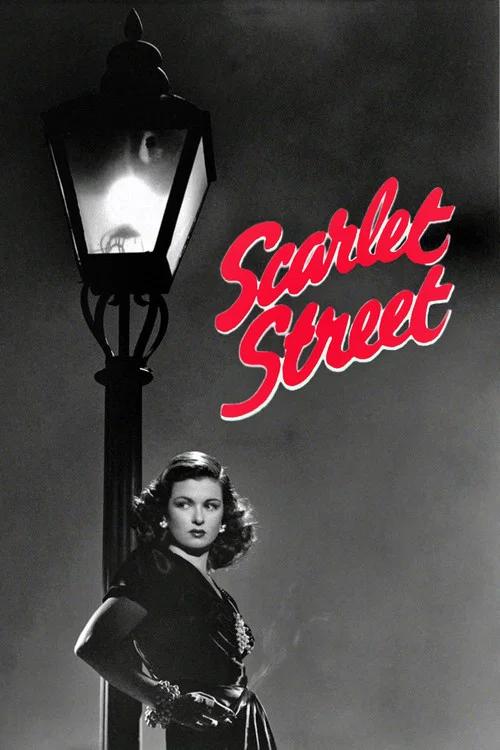
Fritz Lang directed The Big Heat, released in 1953. CineCode also covers Metropolis (1927), M (1931), The Testament of Dr. Mabuse (1933), The Woman in the Window (1944), Scarlet Street (1945).
What films are similar to The Big Heat?
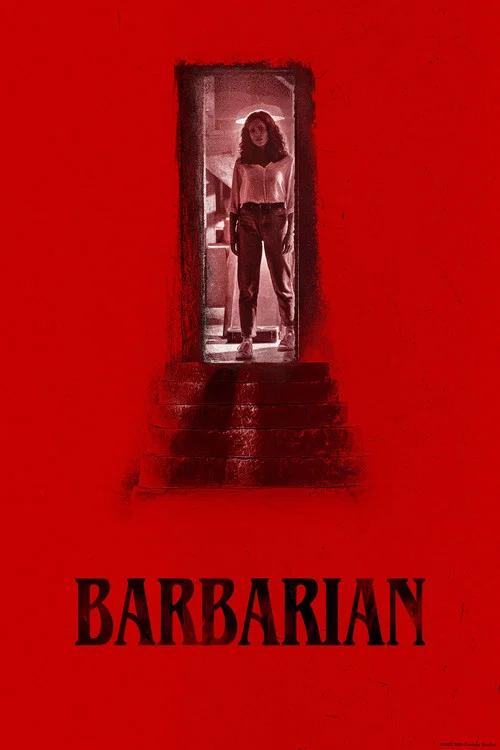
Films that share techniques with The Big Heat include The Virgin Spring (1960), Barbarian (2022), Parasite (2019), Schindler's List (1993).