Drama

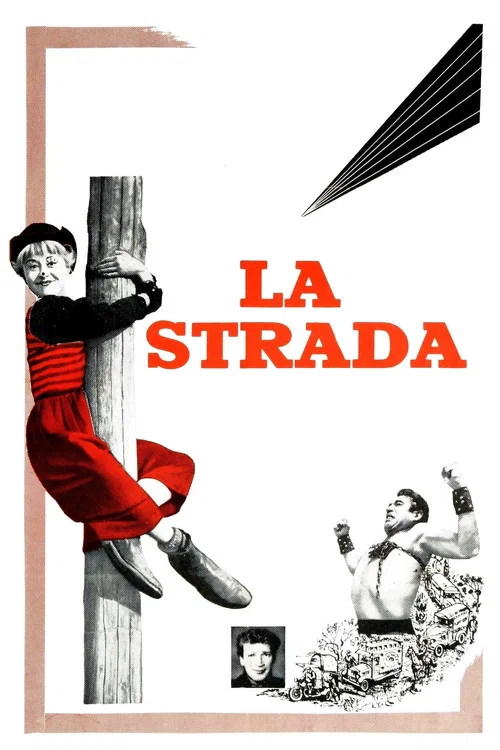
La Strada

Federico Fellini, 1954

Gelsomina is sold by her poor mother to Zampano, a brutish strongman who breaks chains for tips on the road. She learns to play drum and trumpet for his act, though he treats her badly. Worth watching for how a simple tune carries the whole heartbreak.

La Strada (1954) poster

At a glance

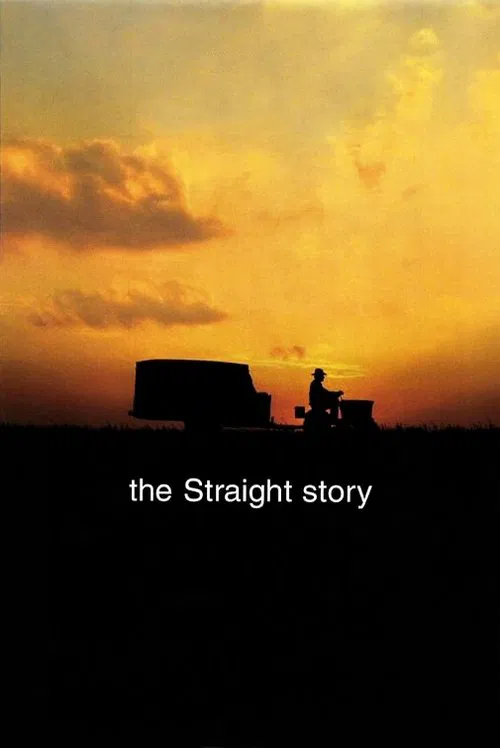
La Strada is a 1954 drama film directed by Federico Fellini. This breakdown covers 4 techniques (1 sound, 2 narrative and 1 psychology), each with the scene where you can see it. If you like how it is made, The Straight Story uses several of the same techniques.

Sound

Leitmotif

Repeating a short piece of music or a sound every time a certain character, idea or feeling comes up. You learn to connect the 2.

How this film uses it

Nino Rota's wistful main theme first appears on the Fool's violin, then on Gelsomina's trumpet. Each time it returns it carries a little more of what has been lost.

Where to see it

Gelsomina's trumpet: the tune passes from the Fool to Gelsomina.
Narrative

Performer Allegory

Using street or circus acts as a picture of how the characters treat each other. The stunts on stage become the relationships off stage.

How this film uses it

Zampano breaks a chain across his chest for tips, and Gelsomina plays drum and trumpet beside him. Their act shows who is strong, who is used and who is treated like a prop. The Fool, a high-wire clown, makes a mockery of both.

Where to see it

The chain act: Zampano flexes and breaks the chain while Gelsomina plays along, which shows the balance of their bond.

Psychology

Guilt as Hidden Motive

Letting a character's guilt over a past wrong shape what they do now. The wrong may come out late or only be hinted at, but it colors every choice.

How this film uses it

Zampano never talks about what he feels. After he kills the Fool and abandons Gelsomina, that silence stays with him until the ending.

Where to see it

The beach: years later Zampano learns Gelsomina died, and he breaks down in tears on the sand.

Narrative

Earned Catharsis

Building up to a big emotional release slowly, by investing in the characters and giving small bits of hope. When the release comes, it feels deserved after all the suffering.

How this film uses it

The film spends its length showing Zampano as cold and cruel, so his collapse on the beach lands as a release. The small bits of Gelsomina's kindness make it hurt more.

Where to see it

The final scene: Zampano weeps at the shoreline and finally understands what he threw away.

Questions

La Strada: quick answers

What filmmaking techniques does La Strada use?
CineCode breaks down 4 techniques in La Strada (1954): Leitmotif, Performer Allegory, Guilt as Hidden Motive and Earned Catharsis.
Who directed La Strada?
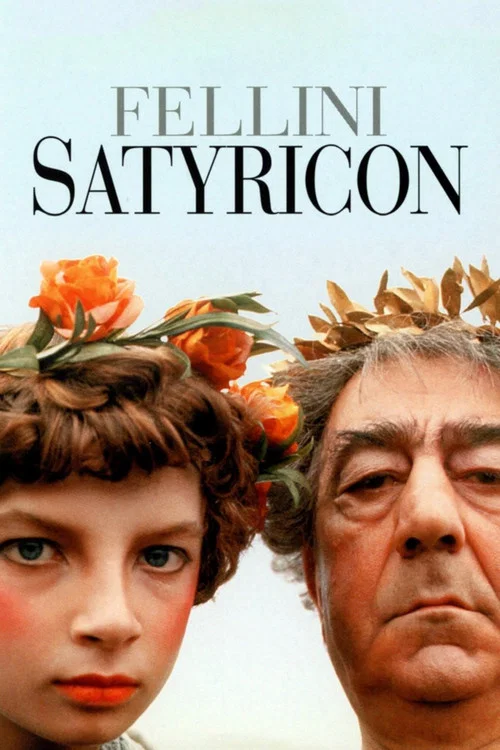
Federico Fellini directed La Strada, released in 1954. CineCode also covers I Vitelloni (1953), Nights of Cabiria (1957), La Dolce Vita (1960), 8½ (1963), Juliet of the Spirits (1965), Fellini Satyricon (1969).
What films are similar to La Strada?
Films that share techniques with La Strada include The Straight Story (1999), The Verdict (1982), Get Out (2017), Black Swan (2010).