Drama · Comedy

Nights of Cabiria

Federico Fellini, 1957

Cabiria is a kind-hearted prostitute in Rome who keeps hoping for love and keeps getting hurt. A stage hypnotist, a charming suitor and a lakeside betrayal all push her to the edge. Worth watching for Giulietta Masina's face in the final shot.

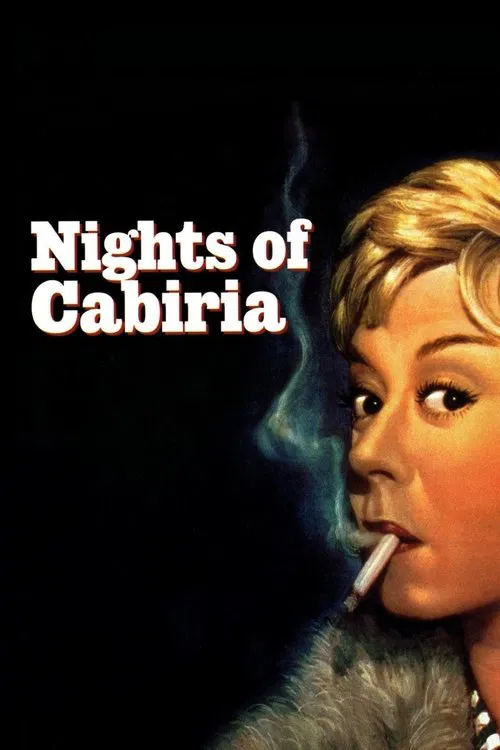
Nights of Cabiria (1957) poster

At a glance

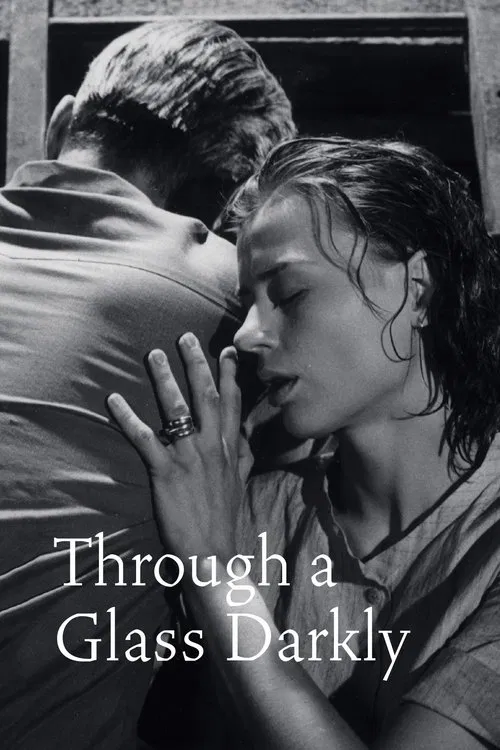
Nights of Cabiria is a 1957 drama and comedy film directed by Federico Fellini. This breakdown covers 4 techniques (2 narrative, 1 cinematography and 1 psychology), each with the scene where you can see it. If you like how it is made, Through a Glass Darkly uses several of the same techniques.

Narrative

Repeating Encounter Structure

Staging the same kind of confrontation again and again with different counterparts, so each encounter reveals a new side of the protagonist.

How this film uses it

The film keeps putting Cabiria in front of a man who promises something. Each one shows more of her hope and how easily it is used.

Where to see it

Giorgio and Oscar: Giorgio pushes her into a river to steal her purse, and Oscar later plays the perfect suitor.

Narrative

Staged Performance Within Film

Embedding a play or musical inside the film, so the staged piece mirrors or comments on the characters' real lives.

How this film uses it

A hypnotist puts Cabiria on stage and makes her act out her dream of marriage while the audience laughs. Her private hope becomes a public show.

Where to see it

The hypnotist's theater: Cabiria acts out her dream in front of strangers, and the audience laughs at her.

Cinematography

Deliberate Close-Up Performance

Holding a close-up on an actor's face long enough to catch tiny changes in expression. You read what the character is thinking from details a wider shot would miss.

How this film uses it

Fellini holds on Giulietta Masina's face as Cabiria's smile returns through tears. You read hurt and hope in the same expression.

Where to see it

The ending: young people on scooters dance around Cabiria as she walks home, and she starts to smile while a tear falls.

Psychology

Bittersweet Ending

Closing on an outcome that hurts even where it succeeds. A reunion lacks warmth or a win leaves the character empty.

How this film uses it

She has lost her money and her trust, but the film closes on a small spark of life. It does not promise that things get better.

Where to see it

The walk home: after Oscar abandons her at the lake, the crowd of young people brings her back to the road.

Questions

Nights of Cabiria: quick answers

What filmmaking techniques does Nights of Cabiria use?
CineCode breaks down 4 techniques in Nights of Cabiria (1957): Repeating Encounter Structure, Staged Performance Within Film, Deliberate Close-Up Performance and Bittersweet Ending.
Who directed Nights of Cabiria?
Federico Fellini directed Nights of Cabiria, released in 1957. CineCode also covers I Vitelloni (1953), La Strada (1954), La Dolce Vita (1960), 8½ (1963), Juliet of the Spirits (1965), Fellini Satyricon (1969).
What films are similar to Nights of Cabiria?
Films that share techniques with Nights of Cabiria include Through a Glass Darkly (1961), 28 Years Later: The Bone Temple (2026), Witness for the Prosecution (1957), Moonlight (2016).