Fantasy · Drama · Adventure

Fellini Satyricon

Federico Fellini, 1969

Encolpius loses his young lover Giton to his rival Ascyltus and wanders through a decadent, dreamlike Imperial Rome looking for him. The episodes are strange and loosely joined. Worth watching for sets and costumes that make the ancient world feel truly alien.

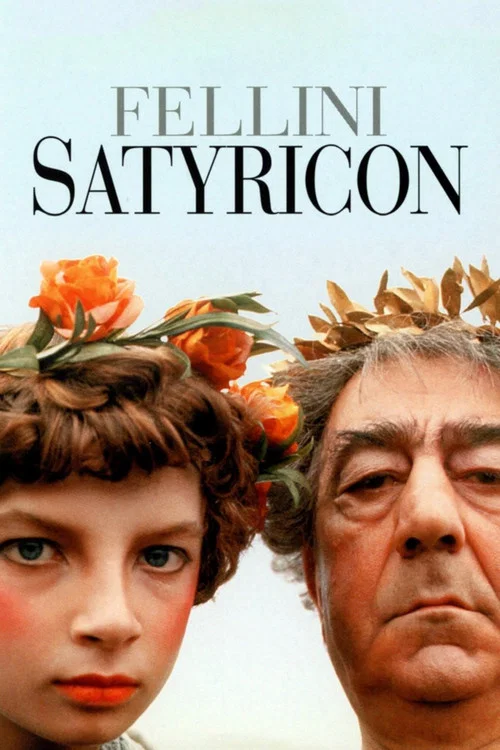
Fellini Satyricon (1969) poster

At a glance

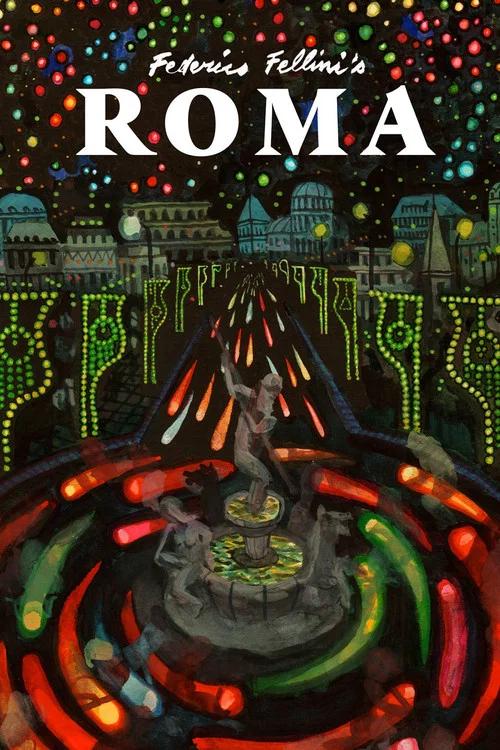
Fellini Satyricon is a 1969 fantasy, drama and adventure film directed by Federico Fellini. This breakdown covers 5 techniques (1 narrative, 1 psychology and 3 cinematography), each with the scene where you can see it. If you like how it is made, Fellini's Roma uses several of the same techniques.

Narrative

Picaresque Structure

Telling the story as a loose string of separate adventures, often following a low-status hero through different levels of society. With no single plot, the episodes add up to a portrait of a world.

How this film uses it

Encolpius drifts from one episode to the next with no single plot. Each one shows another corner of Roman society.

Where to see it

The episodes: a tenement destroyed by an earthquake, a feast, a pirate ship and a labyrinth battle follow each other.
Psychology

Unreliable Reality

Keeping it unclear what is real and what is imagined in the film's world. You end up as unsure as the main character.

How this film uses it

Scenes shift without warning and rarely explain themselves. You never feel sure what is real and what is a hallucination.

Where to see it

Encolpius's pursuit: he moves through Rome as if through a dream, and no scene settles the rules.

Cinematography

Set as Total World

Building a set so complete, with its own weather, crowds, architecture and social rules, that it feels lived in. It reads as real until one deliberate slip shows that it was built.

How this film uses it

Fellini shot mainly at Cinecitta with sets and costumes by Danilo Donati. The sets feel strange and complete, not like a museum version of Rome.

Where to see it

Trimalchio's feast: the villa of the freedman is a lavish, overstuffed space where the dinner becomes a spectacle.

Cinematography

Costume as Storytelling

Designing wardrobes that carry character, status or change as much as the acting does. Clothes tell you who someone is or has become before they speak.

How this film uses it

Donati's costumes make each character look like a creature from another world. They carry status and decadence before anyone speaks.

Where to see it

The feast guests: their dress and makeup show wealth and excess.

Cinematography

Ending as Artifact

Closing on images that turn into worn paintings or ruins. The story reads as a record that survived only in pieces.

How this film uses it

The film ends mid-sentence with crumbling frescoes of its characters. It tells you the story you just saw is a fragment of a lost world.

Where to see it

The final frescoes: the live action turns into cracked wall paintings of the characters.

Questions

Fellini Satyricon: quick answers

What filmmaking techniques does Fellini Satyricon use?
CineCode breaks down 5 techniques in Fellini Satyricon (1969): Picaresque Structure, Unreliable Reality, Set as Total World, Costume as Storytelling and Ending as Artifact.
Who directed Fellini Satyricon?
Federico Fellini directed Fellini Satyricon, released in 1969. CineCode also covers I Vitelloni (1953), La Strada (1954), Nights of Cabiria (1957), La Dolce Vita (1960), 8½ (1963), Juliet of the Spirits (1965).
What films are similar to Fellini Satyricon?
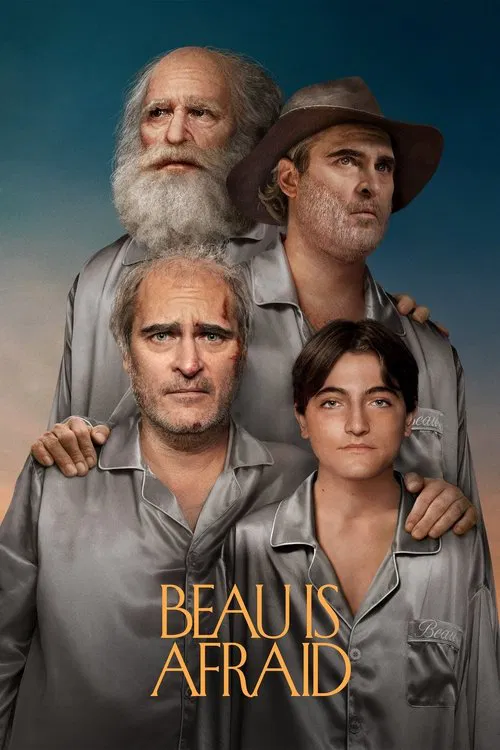
Films that share techniques with Fellini Satyricon include Fellini's Roma (1972), Beau Is Afraid (2023), Inception (2010), Forrest Gump (1994).