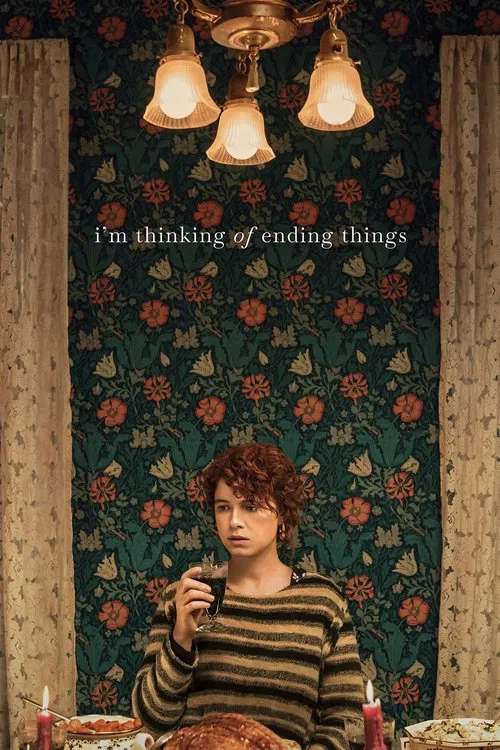
A young woman takes a snowy road trip with her new boyfriend Jake to meet his parents at their farm, while a voice in her head says she is thinking of ending things. Kaufman keeps changing the details, and the fun is working out who is really telling this story.
I'm Thinking of Ending Things is a 2020 drama, horror and mystery film directed by Charlie Kaufman. This breakdown covers 5 techniques (2 narrative, 1 psychology and 2 cinematography), each with the scene where you can see it. If you like how it is made, Synecdoche, New York uses several of the same techniques.
Arranging scenes the way a dream moves, where one image leads to the next by feeling or association. Events don't follow normal cause and effect.
How this film uses it
Jake's parents age and change from scene to scene, the woman's name and job keep shifting, and rooms do not add up. The film moves by feeling, so you stop asking what happened and start asking what it means.
Where to see it
The dinner at the farm: Jake's mother and father seem to change age between shots, appearing older and then younger without comment.
Taking away, piece by piece, any way of telling truth from delusion. A character's whole understanding of events falls apart, and you end up just as lost.
How this film uses it
Any detail you grab turns out to be false. The woman's name changes, the stories she tells change, and her own thoughts seem to belong to Jake. By the end you cannot trust a single thing.
Where to see it
The shifting name: the woman is called different names by different people, and her job changes too, with no explanation.
Choosing a very wide or squarer frame than standard widescreen. The shape boxes characters in or leaves wide edges where threats can hide.
How this film uses it
The film is shot in a nearly square frame, not widescreen. It boxes the characters in and leaves the edges of the picture narrow, so the claustrophobia grows even in an open snowy landscape.
Where to see it
The car ride: the woman and Jake sit in the car in a tight square frame as snow falls around them.
Letting rain, storms, sunshine or changing scenery reflect what characters feel, often breaking at the story's peak. The environment says what the characters cannot.
How this film uses it
The snowstorm keeps getting worse as the trip goes on. The cold and the white-out show the mood of the film and the lonely mind behind it.
Where to see it
The drive: the snow keeps piling up on the road. They stop at Jake's old high school, and the next morning the janitor's truck sits buried in snow.
Having a character read or recite real verse so the poem says what the characters cannot. The words become the emotional center of the film.
How this film uses it
The woman recites a morbid poem about coming home, and the words say what the characters cannot. The poem lingers over the rest of the film.
Where to see it
The poem: in the car, she recites a poem called 'Bonedog' that she says she wrote, as Jake listens.
Questions
I'm Thinking of Ending Things: quick answers
What filmmaking techniques does I'm Thinking of Ending Things use?
CineCode breaks down 5 techniques in I'm Thinking of Ending Things (2020): Dream Logic Structure, Epistemic Collapse, Unusual Aspect Ratio, Weather as Emotional Mirror and Recited Poetry as Theme.
Who directed I'm Thinking of Ending Things?
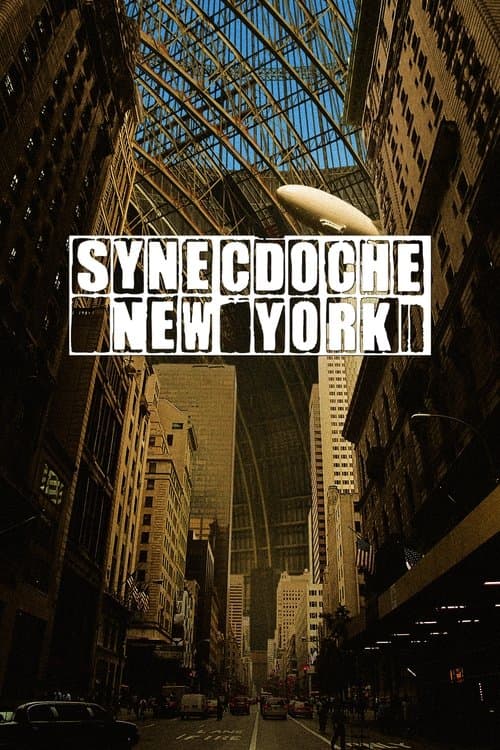
Charlie Kaufman directed I'm Thinking of Ending Things, released in 2020. CineCode also covers Synecdoche, New York (2008).
What films are similar to I'm Thinking of Ending Things?
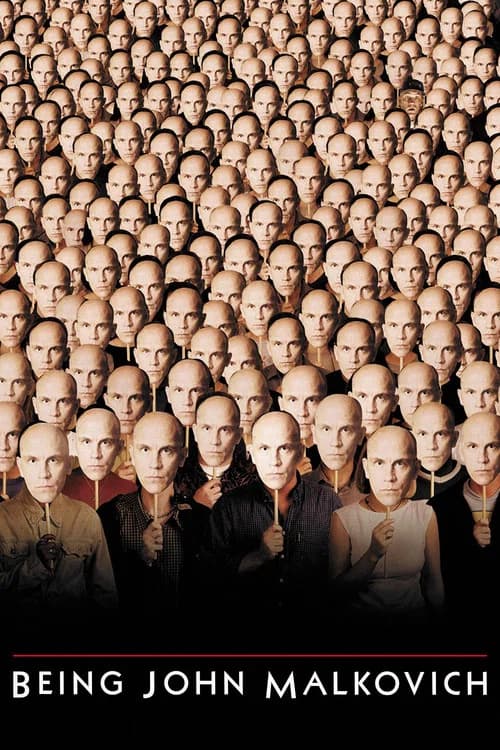
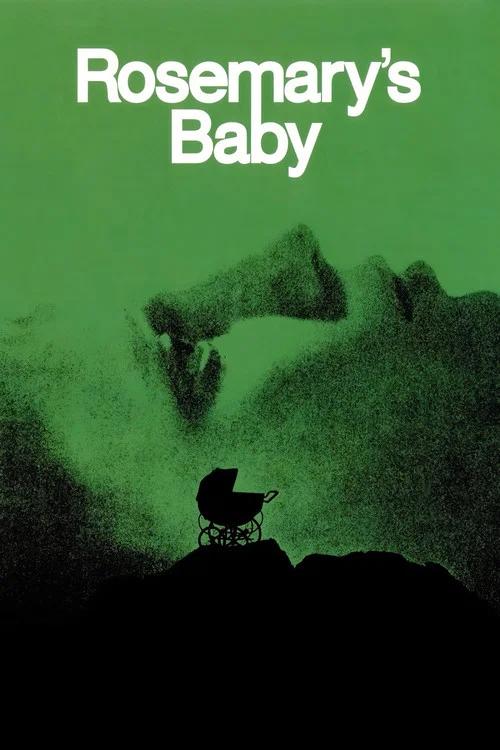
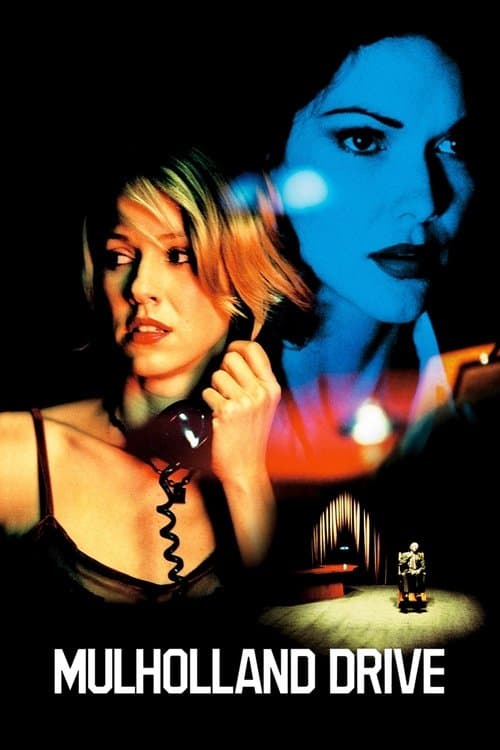
Films that share techniques with I'm Thinking of Ending Things include Synecdoche, New York (2008), Being John Malkovich (1999), Rosemary's Baby (1968), Mulholland Drive (2001).