Action · Thriller · Crime

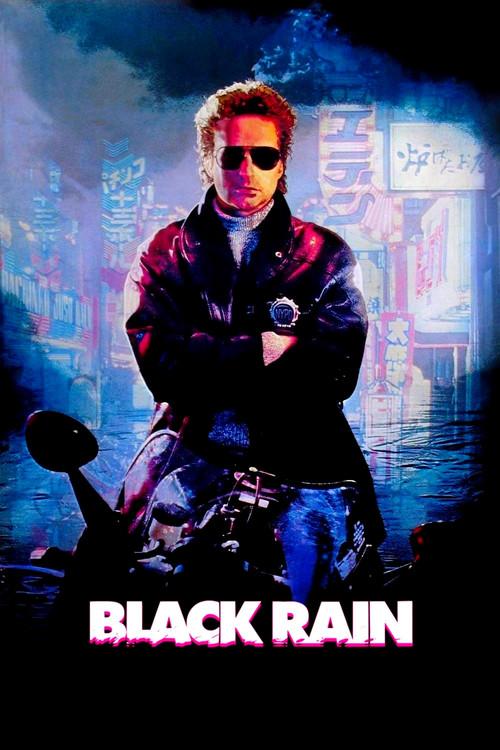
Black Rain

Ridley Scott, 1989

A New York cop and his partner escort a captured yakuza killer to Osaka, lose him to a trick at the airport and get pulled into a gang war over counterfeit money. It plays like a crime story painted in neon. Watch how Scott makes a real city feel like a mood.

Black Rain (1989) poster

At a glance

Black Rain is a 1989 action, thriller and crime film directed by Ridley Scott. This breakdown covers 5 techniques (2 narrative, 1 psychology and 2 cinematography), each with the scene where you can see it. If you like how it is made, Phantom Thread uses several of the same techniques.

Narrative

The MacGuffin

Giving the characters an object, secret or goal that everyone chases. What it actually is barely matters, because its job is to set the characters against each other.

How this film uses it

Everyone in the story chases the same thing: a pair of printing plates for counterfeit American money. Sato takes one half in New York and uses it to bargain with the older boss, Sugai. The plates barely matter as objects. Their job is to set the cops, the yakuza and the American mob against each other.

Where to see it

The gift box at the end: Nick says goodbye to Matsumoto and hands him a dress shirt in a box. Underneath it, Matsumoto finds both plates.
Narrative

Ambiguous Antagonist

Writing an opponent the film never fully labels as evil. Their motives mix ordinary human wants with real harm, and they may even help the hero grow.

How this film uses it

Sugai is the film's main criminal, yet he gets a reason you can follow. He tells Nick he survived the bombing of Hiroshima and that his counterfeiting is revenge for the "black rain" that fell that day. He also blames American influence for corrupting younger men like Sato. You do not have to agree with him to see where he comes from.

Where to see it

Sugai's house: with a tip from Joyce, Nick meets Sugai, who explains his past and why he is flooding the world with fake American money.

Psychology

Psychological Doubling

Pairing the main character with a second character who mirrors them. The double shows what the hero wants, fears or secretly is.

How this film uses it

Nick and Sato are more alike than either would say. Nick is a cop under investigation who helps himself to cash from a crime scene. Sato is a yakuza who breaks his own clan's code to grab power. One reading is that Sato shows Nick what a man who bends every rule for himself turns into.

Where to see it

The final chase: Nick chases Sato by motorcycle, they fight, and Nick ends up with Sato at his mercy. He brings Sato in handcuffed.

Cinematography

Neon Night City

Filming a city at night through glowing signs, steam and rain-slick reflections. The glow makes the place feel dense, futuristic and a little threatening, sometimes like a character's fever dream.

How this film uses it

Scott filmed Osaka's Dotonbori district, a canal lined with neon signs, as the film's main look. The lit-up bridge and the neon wall over the water give it the feel of a future city, close to the world of his own science fiction work. The city looks dazzling and dangerous at the same time.

Where to see it

The Osaka nightclub: Nick meets Joyce, an American hostess from Chicago, who tells him Sato is fighting Sugai in a gang war.

Cinematography

Location Stand-In

Shooting a scene in one place and dressing it to pass for another, such as a stadium that stands in for an embassy. You accept the fiction as long as the details look right.

How this film uses it

Japan's high costs, red tape and strict gun rules wore down the production, and Scott left the country early. The climactic motorcycle chase was shot in California's Napa Valley. Los Angeles airport stood in for Osaka's airport, and a steel mill in Fontana finished a scene the crew could not complete in Japan. The story still plays as one trip through Japan.

Where to see it

The steel foundry: Nick and Matsumoto follow a hostess to a foundry where Sato meets Sugai. The scene was left unfinished in Japan and completed in California.

Questions

Black Rain: quick answers

What filmmaking techniques does Black Rain use?
CineCode breaks down 5 techniques in Black Rain (1989): The MacGuffin, Ambiguous Antagonist, Psychological Doubling, Neon Night City and Location Stand-In.
Who directed Black Rain?
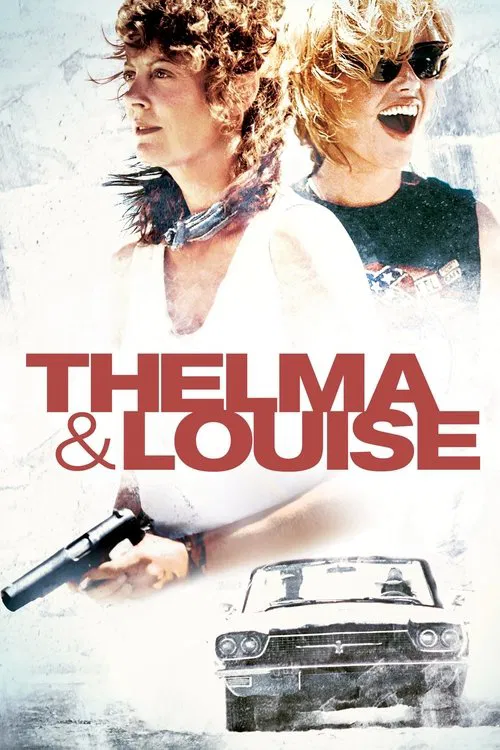
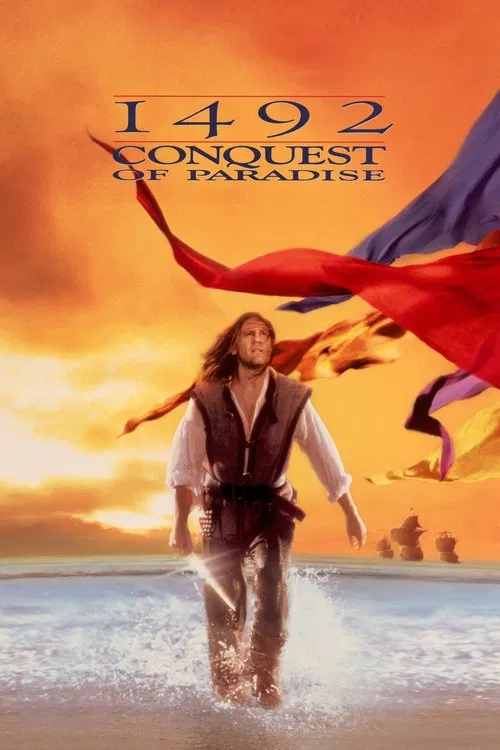
Ridley Scott directed Black Rain, released in 1989. CineCode also covers The Duellists (1977), Alien (1979), Blade Runner (1982), Legend (1985), Thelma & Louise (1991), 1492: Conquest of Paradise (1992).
What films are similar to Black Rain?
Films that share techniques with Black Rain include Phantom Thread (2017), Gemini Man (2019), Cruising (1980), Escape from New York (1981).