Action · Adventure

Indiana Jones and the Temple of Doom

Steven Spielberg, 1984

Indiana Jones, now in 1935, escapes Shanghai with a singer and a boy named Short Round and ends up in an Indian village. Its palace hides a cult with kidnapped children. It is far darker than Raiders, and it is a good study in how to build a chase.

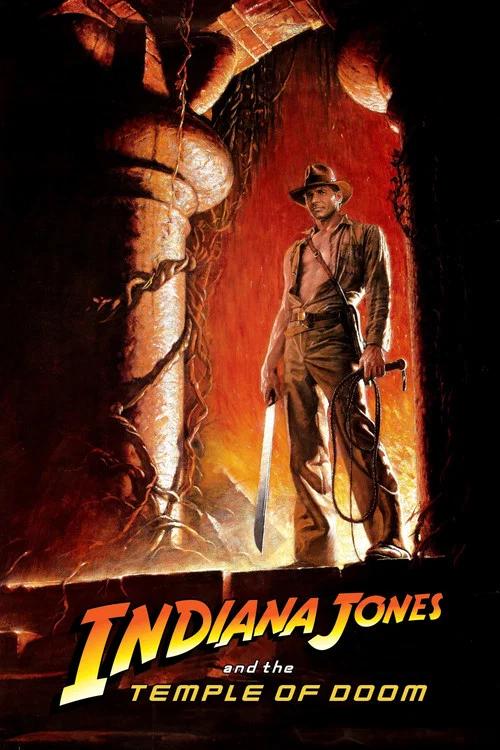
Indiana Jones and the Temple of Doom (1984) poster

At a glance

Indiana Jones and the Temple of Doom is a 1984 action and adventure film directed by Steven Spielberg. This breakdown covers 4 techniques (2 narrative, 1 editing and 1 cinematography), each with the scene where you can see it. If you like how it is made, Die Hard uses several of the same techniques.

Narrative

Tonal Succession

Switching to a clearly different look and mood from one part to the next, either between chapters of 1 film or between a film and its sequel.

How this film uses it

George Lucas set the film a year before Raiders, and it became much darker. The film has gross-out food, a human sacrifice and enslaved children. It feels like a different movie from the first one, even with the same hero.

Where to see it

The Thuggee ritual. Mola Ram drugs Indy and prepares a human sacrifice, and Short Round breaks the spell.

Editing

Kinetic Set Piece Architecture

Building an action sequence as a chain where each solution creates a new problem. The layout of the space stays clear, so the escalation follows its own logic.

How this film uses it

The mine cart chase is a chain of problems. Each escape leads to a new one, and the layout stays clear. You always know where the carts are heading next.

Where to see it

The mine cart chase. Indy, Willie and Short Round race through the mines, where enslaved village children are held.

Narrative

Fish-Out-of-Water Comedy

Dropping a character into a world whose social rules they don't understand. The comedy, and some insight too, comes from the constant mismatch between them and everyone around them.

How this film uses it

Willie Scott is a nightclub singer who finds herself in the jungle and then a palace in India. She doesn't know the rules and doesn't like them. The mismatch between her and everything around her makes you laugh.

Where to see it

The Pankot Palace banquet. The trio are hosted by the young maharaja, and the meal is full of strange dishes.

Cinematography

Practical Miniature Construction

Building highly detailed scale models of places too big or impossible to build full size, sometimes called bigatures. They are filmed with real cameras and blended with full-size footage.

How this film uses it

The mine chase combined a roller coaster with scale models and dolls. India refused filming permission, so the crew used Sri Lanka, Elstree Studios, matte paintings and scale models. Industrial Light & Magic won the Oscar for visual effects.

Where to see it

The mine cart chase. The sequence mixes a real roller coaster with scale models and dolls.

Questions

Indiana Jones and the Temple of Doom: quick answers

What filmmaking techniques does Indiana Jones and the Temple of Doom use?
CineCode breaks down 4 techniques in Indiana Jones and the Temple of Doom (1984): Tonal Succession, Kinetic Set Piece Architecture, Fish-Out-of-Water Comedy and Practical Miniature Construction.
Who directed Indiana Jones and the Temple of Doom?
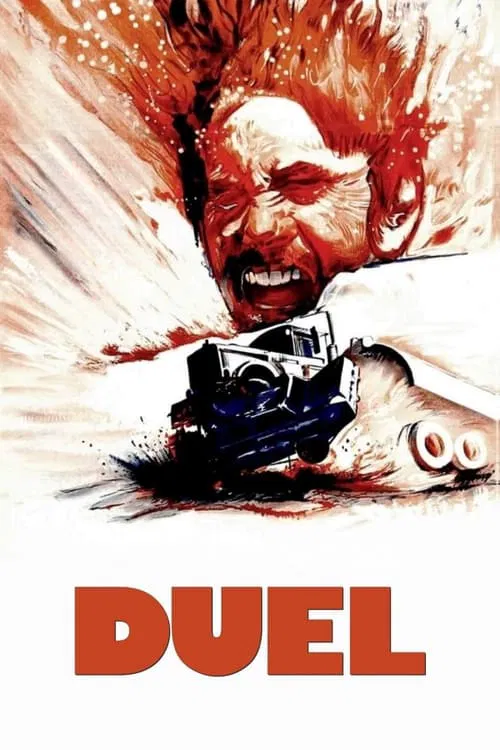
Steven Spielberg directed Indiana Jones and the Temple of Doom, released in 1984. CineCode also covers Duel (1971), Jaws (1975), Close Encounters of the Third Kind (1977), 1941 (1979), Raiders of the Lost Ark (1981), E.T. the Extra-Terrestrial (1982).
What films are similar to Indiana Jones and the Temple of Doom?
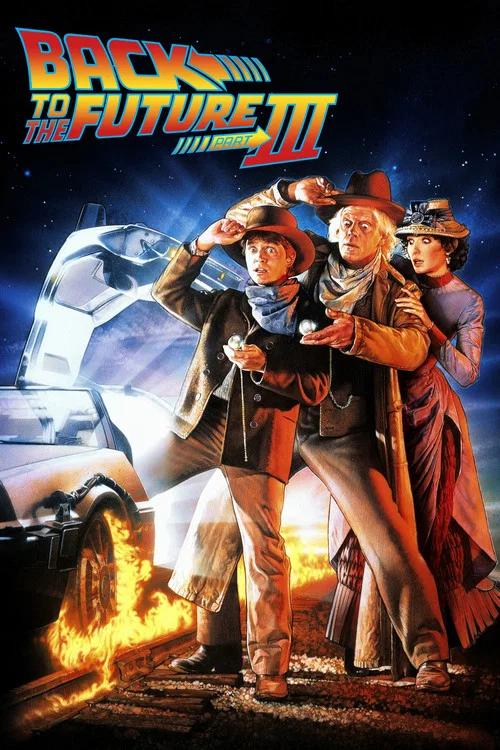
Films that share techniques with Indiana Jones and the Temple of Doom include Die Hard (1988), True Lies (1994), Avatar: The Way of Water (2022), Back to the Future Part III (1990).