Science Fiction · Adventure · Thriller

The Abyss

James Cameron, 1989

When a nuclear submarine sinks near a deep ocean trench, a crew from an undersea oil rig is sent to find it. Trapped by a hurricane above and a mystery below, they meet an intelligence living in the water. Cameron shot a large part of it underwater, and you can feel the weight of every scene.

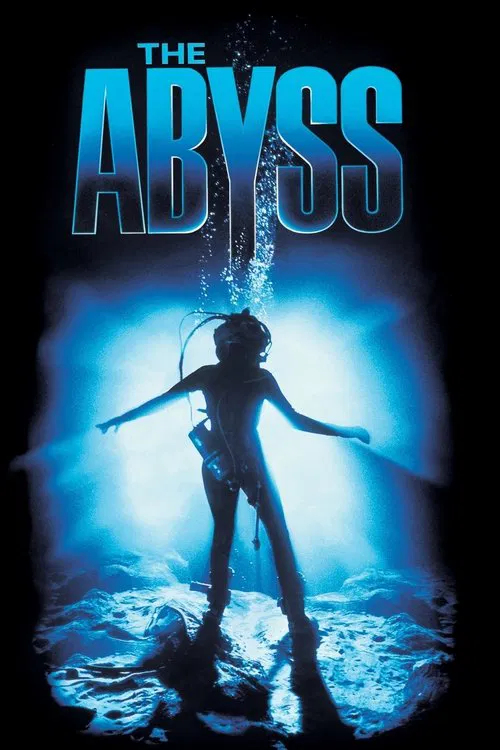
The Abyss (1989) poster

At a glance

The Abyss is a 1989 science fiction, adventure and thriller film directed by James Cameron. This breakdown covers 5 techniques (3 cinematography, 1 narrative and 1 sound), each with the scene where you can see it. If you like how it is made, Rope uses several of the same techniques.

Cinematography

Single-Location Cinematography

Shooting almost the whole film in 1 confined place. Set design and camera movement keep it visually interesting, and the space itself takes on meaning as the story goes on.

How this film uses it

Almost the whole story happens on Deep Core, the drilling rig on the ocean floor. Its tight corridors and flooded rooms are the only world the crew has. The pressure outside makes every argument inside feel sharper.

Where to see it

The flooded rig: a storm tears the crane loose, dragging the rig toward the edge of the trench and flooding it.


Cinematography

Practical In-Camera Effects

Creating effects physically on set with makeup, prosthetics, built props and camera tricks, with no computer graphics added later. The results look solid and real.

How this film uses it

About 40% of the live-action shooting took place underwater, in a huge tank built inside a former power plant reactor. The rig was a real full-size set. The actors really were in the water, and you can see it in how they move.

Where to see it

The Deep Core sets: the rig was built full size and filmed in a tank holding 7.5 million gallons.

Narrative

Ticking Clock Structure

Building the story around a clear deadline the hero must beat. The time pressure and the obstacles grow with each scene until the climax.

How this film uses it

A hurricane is above, the rig is flooding and a warhead is armed. Each problem leaves less time to fix the next. The structure keeps pushing the crew toward a deadline.

Where to see it

The storm and the flooding: the crane's collapse sends the rig toward the trench edge as water pours in.

Cinematography

Liquid Metal CGI

Using computer graphics to create a character made of a material that flows, reforms and takes any shape. The effect pushed the technology of its time to the limit.

How this film uses it

ILM made the water entity with computer graphics. Its surface shows reflections and it can shape itself into faces, which were scanned from the actors' expressions. It looks real enough that the crew in the film reacts as if it were.

Where to see it

The water tentacle: the alien water entity explores the rig and forms the faces of the crew.

Sound

Sound as Plot Device

Making a sound, voice or call drive the story itself. A phone line, a mimicked noise or a spliced recording changes what characters do or believe.

How this film uses it

Bud is alone more than 2 miles down, and Lindsey's voice is the only link to the surface. You hear how much it costs her to guide him toward what he expects to be his death. The scene runs on that voice.

Where to see it

Bud's dive: in an experimental liquid-breathing suit, Bud goes down to disarm the warhead, guided by Lindsey's voice.

Questions

The Abyss: quick answers

What filmmaking techniques does The Abyss use?
CineCode breaks down 5 techniques in The Abyss (1989): Single-Location Cinematography, Practical In-Camera Effects, Ticking Clock Structure, Liquid Metal CGI and Sound as Plot Device.
Who directed The Abyss?
James Cameron directed The Abyss, released in 1989. CineCode also covers The Terminator (1984), Aliens (1986), Terminator 2: Judgment Day (1991), True Lies (1994), Titanic (1997), Avatar (2009).
What films are similar to The Abyss?
Films that share techniques with The Abyss include Rope (1948), Die Hard (1988), The African Queen (1951), The Thing (1982).