Adventure · Drama

The Man Who Would Be King

John Huston, 1975

Two ex-army sergeants, Daniel Dravot and Peachy Carnehan, leave British India to loot a remote kingdom. A lucky coincidence makes the locals believe Dravot is a god, and he becomes their king. The film is a good lesson in how a tall tale can be told as a cautionary one.

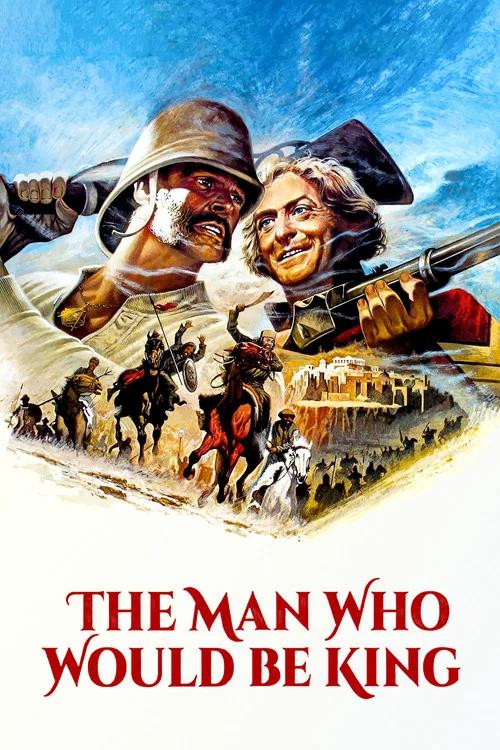
The Man Who Would Be King (1975) poster

At a glance

The Man Who Would Be King is a 1975 adventure and drama film directed by John Huston. This breakdown covers 5 techniques (3 narrative, 1 cinematography and 1 sound), each with the scene where you can see it. If you like how it is made, Ran uses several of the same techniques.

Narrative

Told-Tale Frame

Wrapping the story in a scene where someone recounts it, such as a survivor, a storyteller or a passenger, so the telling shapes its tone and ending.

How this film uses it

The film starts with a ruined Carnehan telling Rudyard Kipling what happened. Because he is the one telling it, the grand adventure carries the weight of everything he lost. The final shot, a skull in a crown, pays off the frame.

Where to see it

The ending in Kipling's office: Carnehan leaves a bundle on the desk, and Kipling opens it to find Dravot's skull still wearing a golden crown.
Narrative

Tragic Inversion Structure

Structuring the story so a character's rise or cruelty is mirrored by its opposite. A parallel story shows a different outcome, or a powerful figure loses everything in ways that echo earlier wrongs.

How this film uses it

Dravot's climb from soldier to king is mirrored by his fall. The same crowd that worshipped him turns on him the moment he bleeds. His pride is what sets the fall in motion.

Where to see it

Roxanne bites Dravot: when he bleeds, the people see he is a man, and the kingdom turns on the pair.

Narrative

Symbolic Object

Returning to the same physical object again and again until it means more than what it is. It moves the plot and also stands for the film's main ideas.

How this film uses it

A Masonic tag that Kipling gave Dravot as a keepsake becomes the proof that he is divine. A priest finds it around his neck and matches it to a sacred symbol. A small trinket from a friend turns a con into a crown.

Where to see it

The priest tears open Dravot's shirt: the tag on his chest matches the sacred symbol, and the crowd proclaims him king.

Cinematography

Human Figure in Vast Landscape

Framing people as tiny specks in an enormous wide shot. The size gap shows how little one person's will counts against the forces of nature, geography or history.

How this film uses it

The two men cross mountains, snowfields and gorges that dwarf them. Shooting in the Atlas mountains and near Chamonix gives the trek real scale. The land looks like it could swallow them, which makes their confidence look even more foolish.

Where to see it

The mountain crossing: Dravot and Carnehan push through blizzards and avalanches on their way to Kafiristan.

Sound

Cultural Musical Identity

Writing music with its own instruments, rhythms and melodies for each culture in the film, or drawing on a real culture's musical traditions. The score tells you about the people.

How this film uses it

Composer Maurice Jarre recorded classical Indian musicians alongside a European symphony orchestra. The mixed sound fits a story about two Europeans lost in a place they do not understand. A hymn comes back at key moments and ties Dravot to the home he left.

Where to see it

Dravot's death on the rope bridge: he sings a hymn as the ropes are cut and falls to his death.

Questions

The Man Who Would Be King: quick answers

What filmmaking techniques does The Man Who Would Be King use?
CineCode breaks down 5 techniques in The Man Who Would Be King (1975): Told-Tale Frame, Tragic Inversion Structure, Symbolic Object, Human Figure in Vast Landscape and Cultural Musical Identity.
Who directed The Man Who Would Be King?
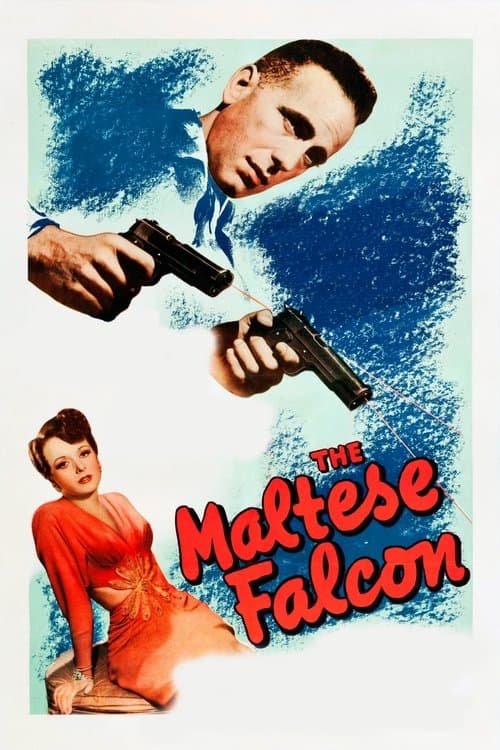
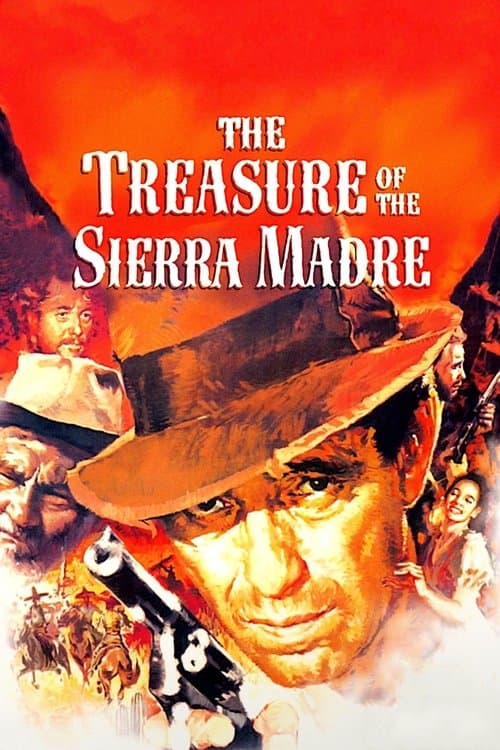
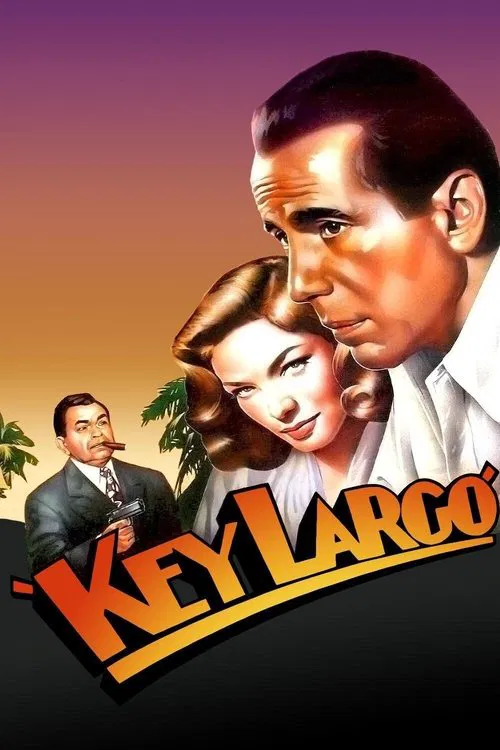
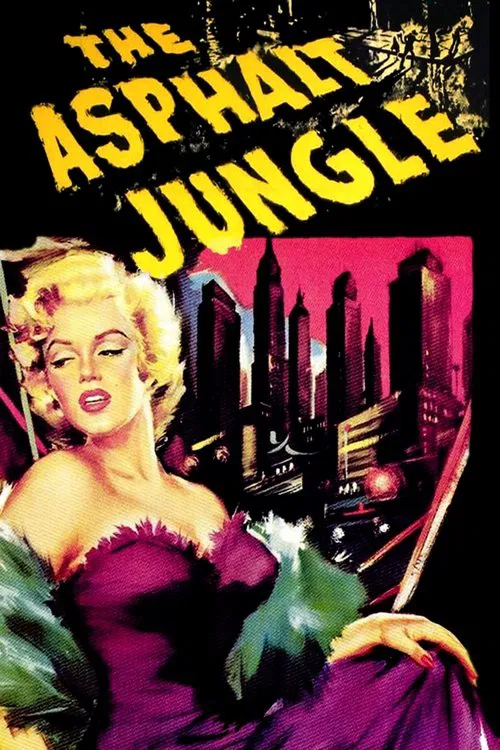
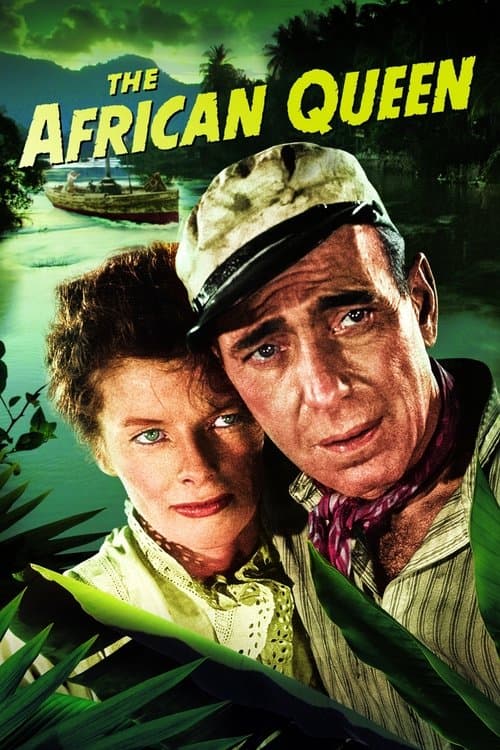
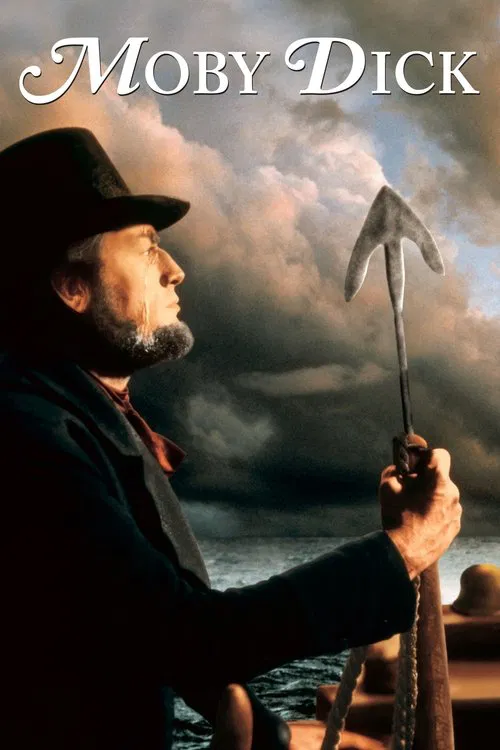
John Huston directed The Man Who Would Be King, released in 1975. CineCode also covers The Maltese Falcon (1941), The Treasure of the Sierra Madre (1948), Key Largo (1948), The Asphalt Jungle (1950), The African Queen (1951), Moby Dick (1956).
What films are similar to The Man Who Would Be King?
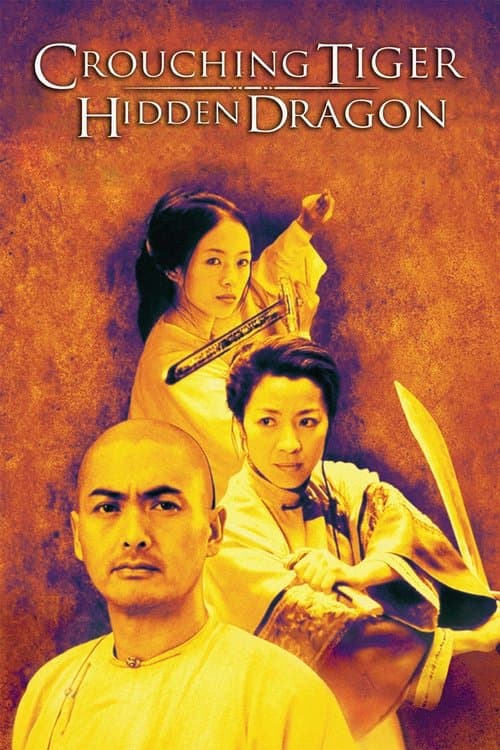
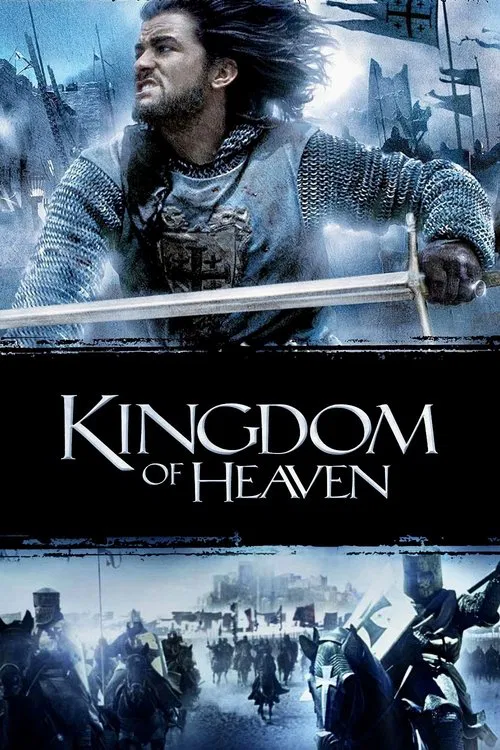
Films that share techniques with The Man Who Would Be King include Ran (1985), The Bridge on the River Kwai (1957), Crouching Tiger, Hidden Dragon (2000), Kingdom of Heaven (2005).