Film Noir · Crime · Thriller

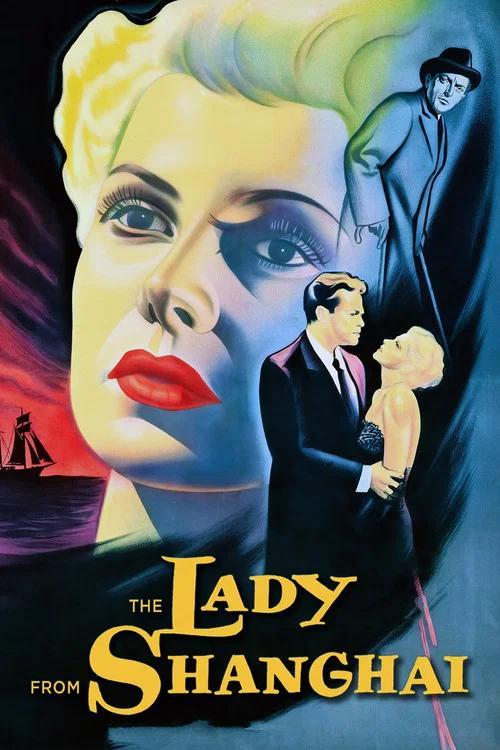
The Lady from Shanghai

Orson Welles, 1947

Sailor Michael O'Hara gets pulled into a murder plot when he agrees to help a lawyer's partner fake his own death. Framed for a killing, he is tried, escapes and ends up in a funhouse shootout. Watch it for how Welles builds a thriller out of reflections and deception.

The Lady from Shanghai (1947) poster

At a glance

The Lady from Shanghai is a 1947 film noir, crime and thriller film directed by Orson Welles. This breakdown covers 5 techniques (2 narrative, 1 psychology and 2 cinematography), each with the scene where you can see it. If you like how it is made, The Wrong Man uses several of the same techniques.

Narrative

Retrospective Voiceover

Having a narrator tell the story from some point after it happened. The events feel like memory, and you sense early on that something will be lost.

How this film uses it

Michael narrates his own story in voiceover, looking back on the mess he walked into. His wry tone tells you early that this will end badly for him.

Where to see it

Opening narration: Michael recalls the events that follow, so you watch every scene knowing he already regrets them.
Narrative

Wrong Man Plot

Making an innocent person look guilty through coincidence and circumstantial evidence, while the audience knows or senses the truth. Everyday life turns dangerous because nobody believes them.

How this film uses it

After the fake death goes wrong, private investigator Sydney Broome is shot and the evidence points at Michael. He is an outsider with no way to prove the plan was never his.

Where to see it

The murder trial: Michael is tried for Grisby's murder, and he feigns suicide to get out of the courtroom.

Psychology

Psychological Manipulation

Showing one character steering another through suggestion, reading, triggers or false trust. The manipulation works because the target wants to believe or cannot resist.

How this film uses it

Elsa Bannister keeps Michael close and steers him toward the plan. Welles even had Rita Hayworth cut and bleach her famous long red hair, so the star you expect looks like someone new and harder to read.

Where to see it

Michael's time with Elsa: she draws him into the scheme while he thinks he is choosing it himself.

Cinematography

Real Locations as Character

Filming in recognizable real places so the setting acts like part of the cast. Streets, buildings and landscapes shape the mood of the story.

How this film uses it

Welles shot largely on location in Acapulco, Sausalito and San Francisco, often in long takes. The real harbors and streets give the plot a sticky, unfamiliar atmosphere.

Where to see it

The yacht voyage to Acapulco: Michael sails with the Bannisters and Grisby, far from anything he knows.

Cinematography

Mirror Maze Showdown

Staging a final fight among mirrors, so every shot shows many reflections of the same people. You cannot tell real bodies from images, and the gunfight turns into a puzzle.

How this film uses it

In the funhouse hall of mirrors, bullets shatter glass and the characters multiply on screen. The studio cut the sequence to under 3 minutes from an intended 20, yet it is still the part everyone remembers.

Where to see it

The funhouse climax: Elsa and Bannister trade shots in a hall of mirrors while Michael watches, and both of them die.

Questions

The Lady from Shanghai: quick answers

What filmmaking techniques does The Lady from Shanghai use?
CineCode breaks down 5 techniques in The Lady from Shanghai (1947): Retrospective Voiceover, Wrong Man Plot, Psychological Manipulation, Real Locations as Character and Mirror Maze Showdown.
Who directed The Lady from Shanghai?
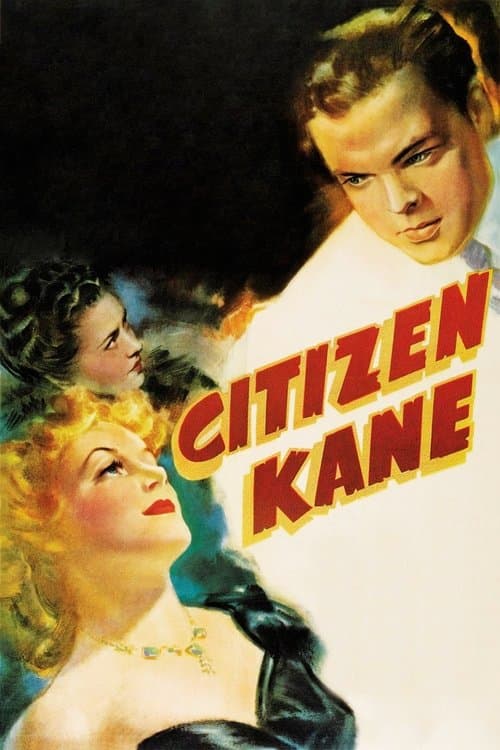
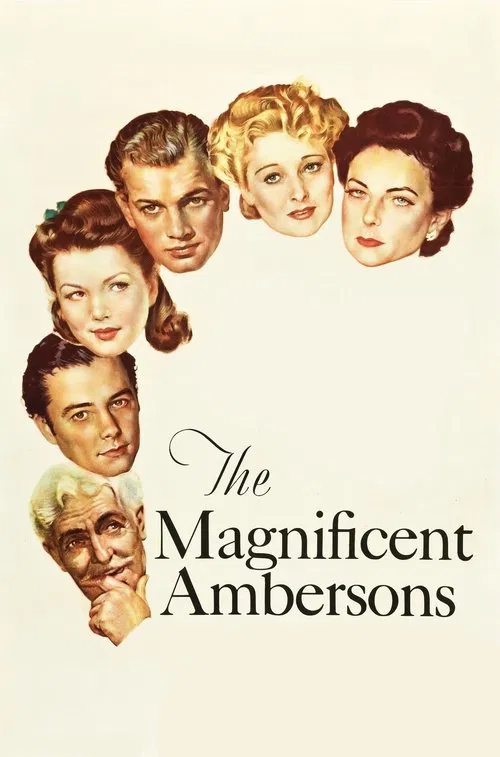
Orson Welles directed The Lady from Shanghai, released in 1947. CineCode also covers Citizen Kane (1941), The Magnificent Ambersons (1942), The Stranger (1946), Touch of Evil (1958), The Trial (1962), F for Fake (1973).
What films are similar to The Lady from Shanghai?
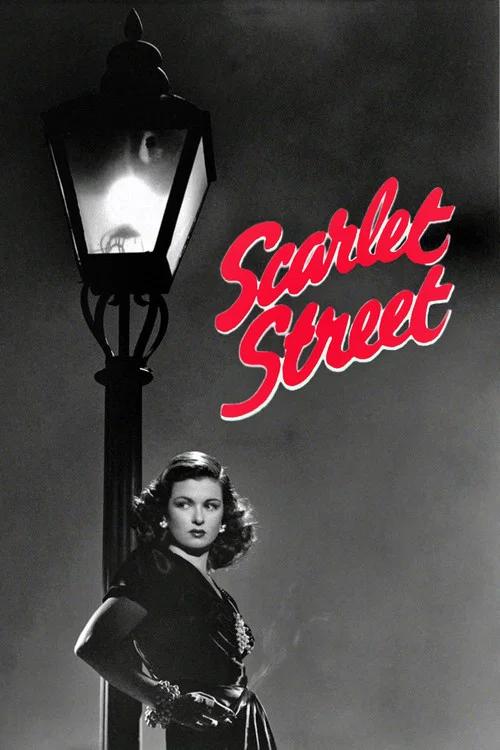
Films that share techniques with The Lady from Shanghai include The Wrong Man (1956), Brief Encounter (1945), Scarlet Street (1945), Hit Man (2024).