Mystery · Thriller · Drama

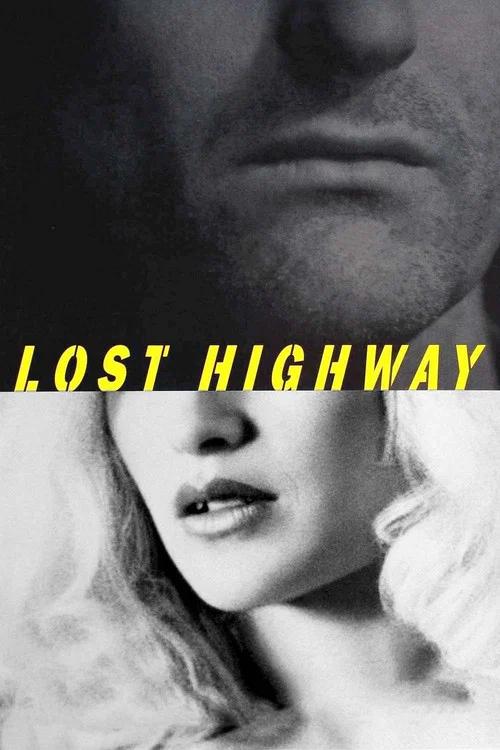
Lost Highway

David Lynch, 1997

A saxophonist gets a message over his intercom saying Dick Laurent is dead, then starts finding videotapes of his own house on the porch. After that, the film splits his story into 2 men and a loop. Watch how Lynch makes you feel the identity slip before you understand it.

Lost Highway (1997) poster

At a glance

Lost Highway is a 1997 mystery, thriller and drama film directed by David Lynch. This breakdown covers 4 techniques (1 narrative, 2 psychology and 1 cinematography), each with the scene where you can see it. If you like how it is made, 8½ uses several of the same techniques.

Narrative

Circular Structure

Ending the film where it started, or with a scene that echoes the opening. The repeat shows what has changed, or suggests the cycle will keep going.

How this film uses it

The film opens with Fred hearing 'Dick Laurent is dead' over his intercom, and it closes with Fred saying the same line into the intercom himself. The repeat suggests he is stuck in a loop he can't escape. What you thought was a crime story becomes a trap.

Where to see it

The intercom line. It opens the film, and Fred speaks it again at the end before running from the police.
Psychology

Psychological Doubling

Pairing the main character with a second character who mirrors them. The double shows what the hero wants, fears or secretly is.

How this film uses it

Fred's wife Renee has a double in Alice, the mistress of the gangster Mr. Eddy, and Fred has a double in Pete, a young mechanic. Each double acts out what the original can't face. Pete gets the life of confident desire that Fred has lost.

Where to see it

The cabin scene. After Pete and Alice have sex in the desert, she says 'you'll never have me' and vanishes inside. Pete turns back into Fred.

Psychology

Unreliable Reality

Keeping it unclear what is real and what is imagined in the film's world. You end up as unsure as the main character.

How this film uses it

You can't tell whether Fred is really sent to death row, imagining another life or both. Lynch never says. He lets the film leave you as lost as Fred is.

Where to see it

Fred on death row. He has headaches and visions of a pale man, then he is replaced in his cell by Pete.

Cinematography

Practical In-Camera Effects

Creating effects physically on set with makeup, prosthetics, built props and camera tricks, with no computer graphics added later. The results look solid and real.

How this film uses it

The change from Fred to Pete was done with a fake head and shots of the actor, with no digital effects. The practical look makes the shift feel physical and wrong. You see a body come apart on set.

Where to see it

The death row transformation. Fred is wrapped in light, and the guards find a different man, Pete, in his cell.

Questions

Lost Highway: quick answers

What filmmaking techniques does Lost Highway use?
CineCode breaks down 4 techniques in Lost Highway (1997): Circular Structure, Psychological Doubling, Unreliable Reality and Practical In-Camera Effects.
Who directed Lost Highway?
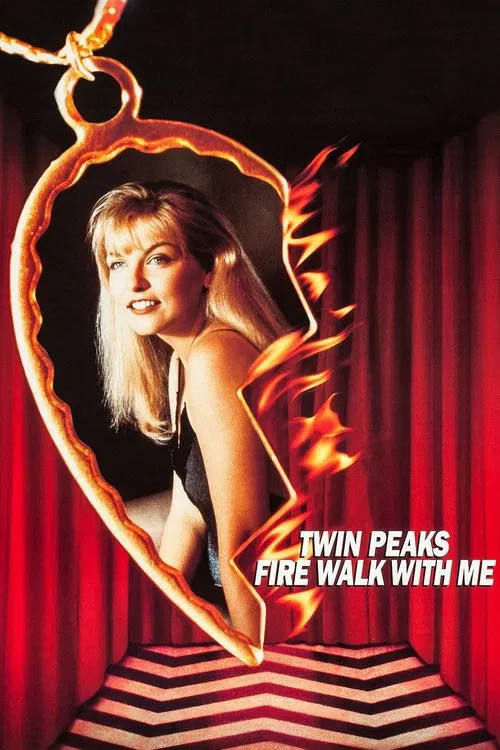
David Lynch directed Lost Highway, released in 1997. CineCode also covers Eraserhead (1977), The Elephant Man (1980), Dune (1984), Blue Velvet (1986), Wild at Heart (1990), Twin Peaks: Fire Walk with Me (1992).
What films are similar to Lost Highway?
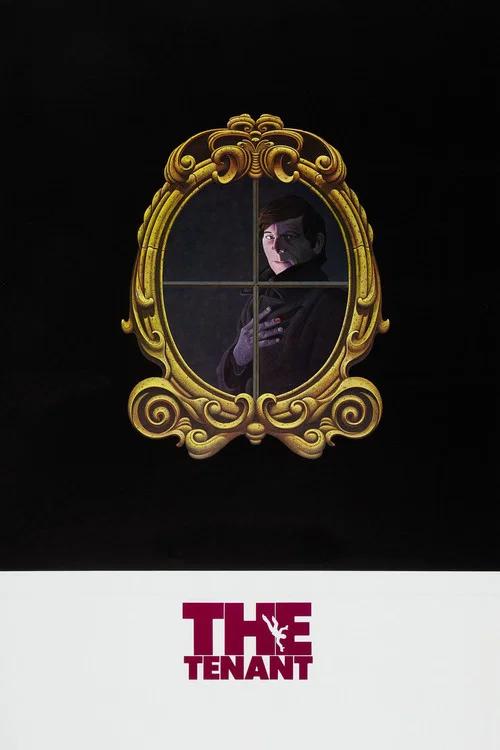
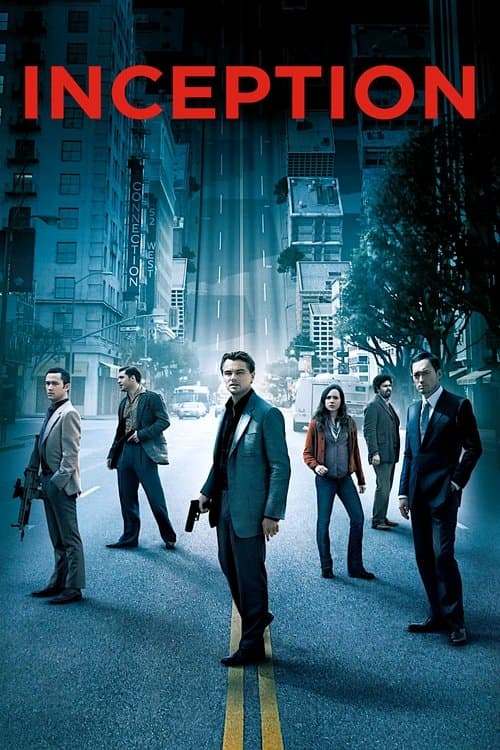
Films that share techniques with Lost Highway include 8½ (1963), Throne of Blood (1957), The Tenant (1976), Inception (2010).