Crime · Romance · Drama

Wild at Heart

David Lynch, 1990

Sailor and Lula, young lovers on parole and on the run, head across the South while Lula's mother sends hired men after them. The road trip turns into a series of strange, violent stops. It is Lynch at his loudest, mixing Elvis, The Wizard of Oz and speed metal, and it won the Palme d'Or at Cannes.

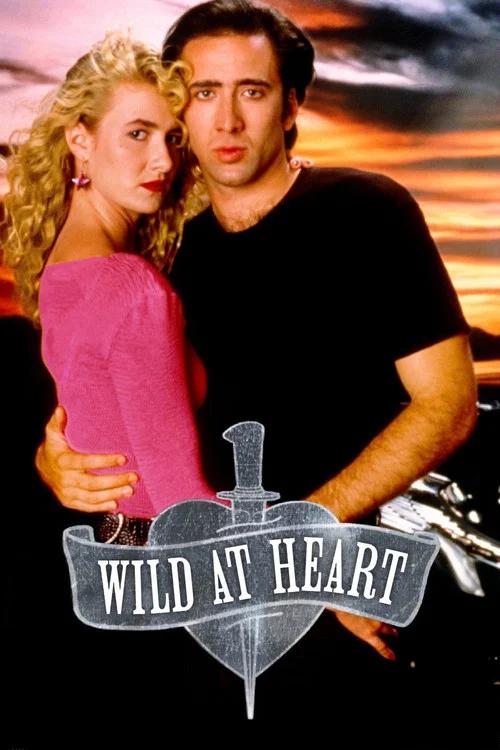
Wild at Heart (1990) poster

At a glance

Wild at Heart is a 1990 crime, romance and drama film directed by David Lynch. This breakdown covers 4 techniques (2 narrative, 1 sound and 1 editing), each with the scene where you can see it. If you like how it is made, Kill Bill: Volume 1 uses several of the same techniques.

Narrative

Genre Collage

Mixing several genres in 1 film, such as crime, romance, horror and absurd comedy. The clash between them keeps you from settling into a single way of watching.

How this film uses it

It plays as a road movie, a love story and a crime film, with sudden bursts of violence and odd comedy. Lynch adapted Barry Gifford's novel and changed its ending. You never settle into 1 mood.

Where to see it

The New Orleans killing. Mr. Reindeer has detective Johnnie Farragut killed after Marietta hires him to find the couple.
Sound

Pop Music Needle Drop

Playing an existing popular song at a precise moment in the film. The song's lyrics, era and associations add irony, period feel or emotion that an original score could not.

How this film uses it

Powermad's speed-metal song 'Slaughterhouse' plays several times, including in the opening scene. Chris Isaak's 'Wicked Game' and Strauss's 'Im Abendrot' also appear. The loud songs make the violence feel wild, and the quiet ones make the romance feel tender.

Where to see it

The opening scene. Sailor kills a man who attacked him while 'Slaughterhouse' plays.

Editing

Non-Diegetic Insert

Cutting to an image from outside the story's time and place, such as a memory, fantasy or symbol. It shows what a character feels or comments on the scene.

How this film uses it

Lynch cuts away to close-ups of flames and burning matches, which critics read as signs of desire, rage and violence. The images sit outside the scene, like a thought bursting in.

Where to see it

The cigarette lights. Flames fill the frame in close-up when characters light cigarettes.

Narrative

Fairy Tale Structure

Shaping the story with fairy tale elements such as quests, enchanted figures and moral tests, or letting them break into a realistic world.

How this film uses it

Lynch borrows from The Wizard of Oz, including a yellow brick road reference. Earlier, Lula throws water on a photograph of her mother Marietta, and it sizzles and vanishes, echoing the Wicked Witch's end. At the end, a street gang knocks Sailor out, and he sees Glinda the Good Witch.

Where to see it

The Good Witch. Glinda tells Sailor not to turn away from love, and he goes back to Lula.

Questions

Wild at Heart: quick answers

What filmmaking techniques does Wild at Heart use?
CineCode breaks down 4 techniques in Wild at Heart (1990): Genre Collage, Pop Music Needle Drop, Non-Diegetic Insert and Fairy Tale Structure.
Who directed Wild at Heart?
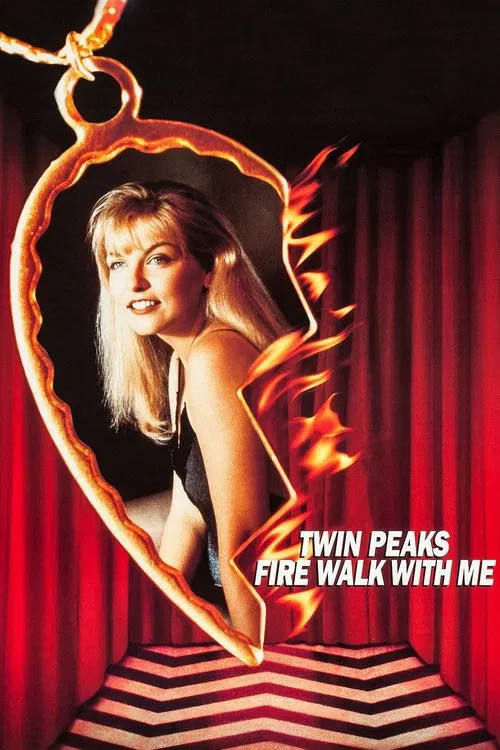
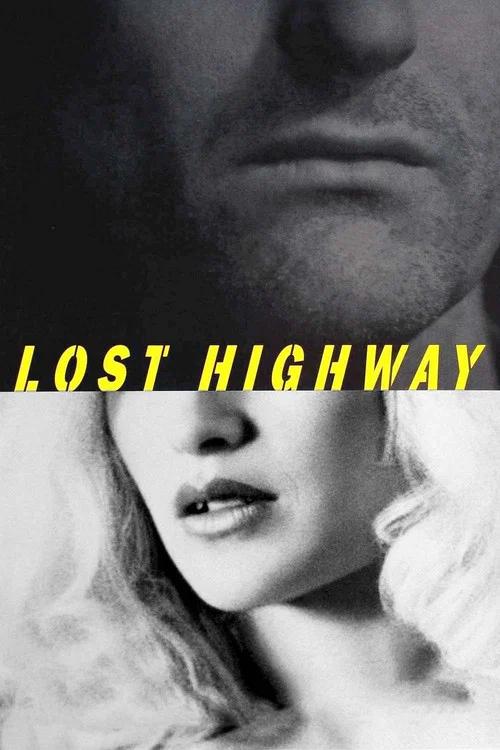
David Lynch directed Wild at Heart, released in 1990. CineCode also covers Eraserhead (1977), The Elephant Man (1980), Dune (1984), Blue Velvet (1986), Twin Peaks: Fire Walk with Me (1992), Lost Highway (1997).
What films are similar to Wild at Heart?
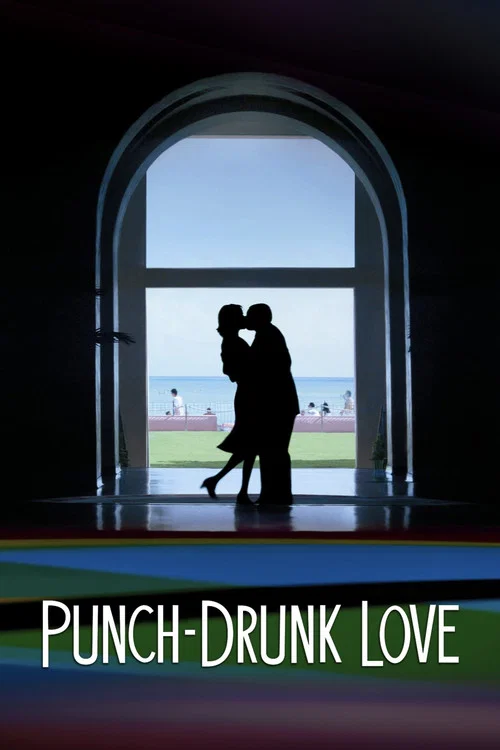
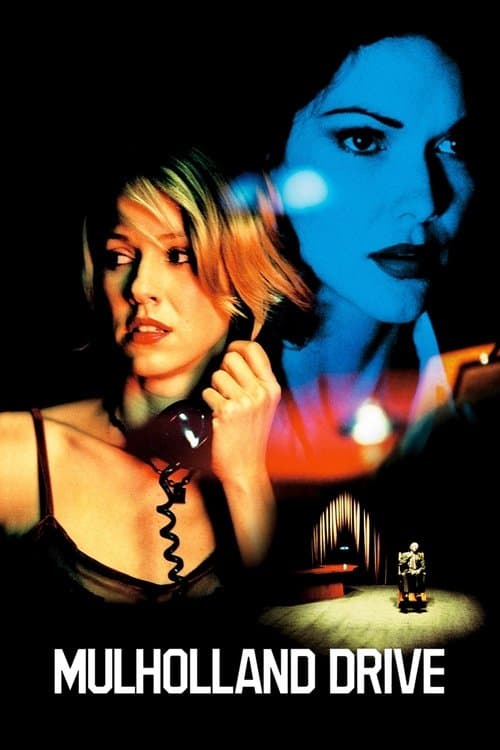
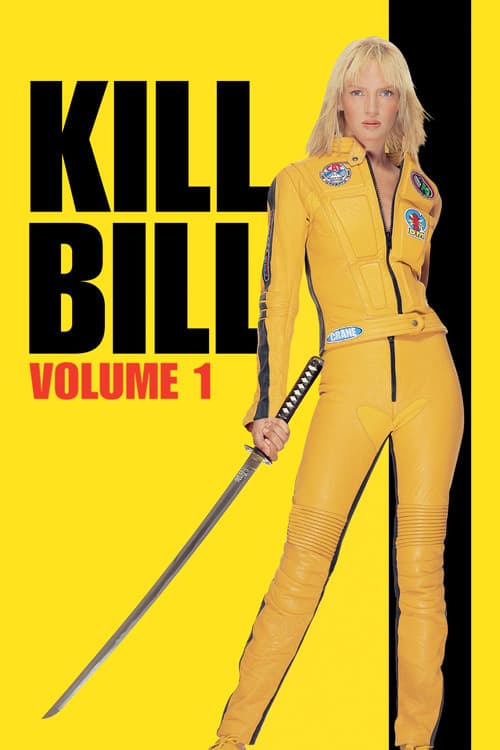
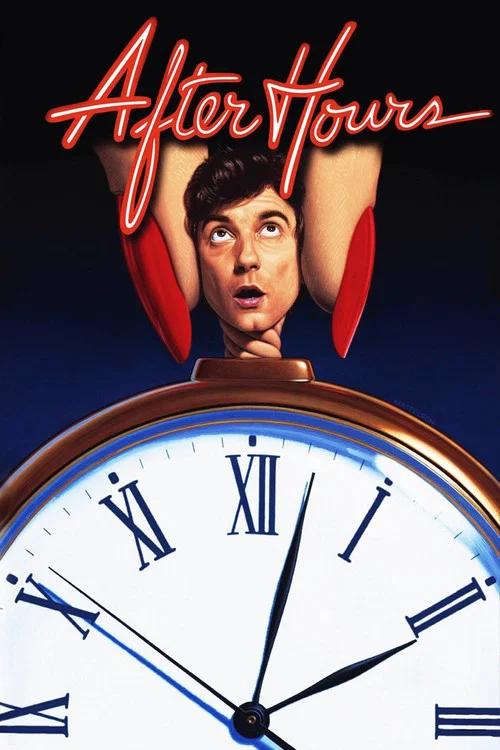
Films that share techniques with Wild at Heart include Kill Bill: Volume 1 (2003), After Hours (1985), Punch-Drunk Love (2002), Mulholland Drive (2001).