Slow-burn pacing: dread before anything happens
Slow-burn horror spends a long time on ordinary life before the threat shows up. The payoff is that by the time the horror arrives, you care about the people it's coming for.
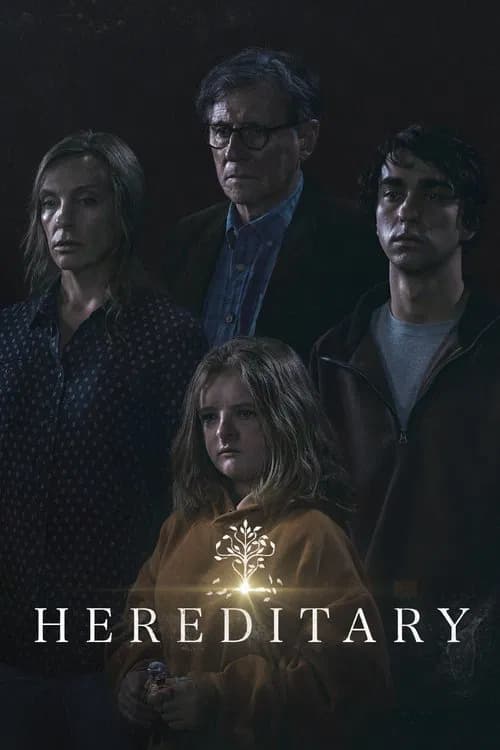
Hereditary (2018) spends its first hour on grief and a family that can't talk to each other. Watch the family dinner. Nothing supernatural happens, and it's still one of the hardest scenes in the film to sit through, because all of the tension sits between Annie and Peter. When the supernatural finally becomes undeniable, you're already raw. If you only pick one film from this list for dread, this is the one I'd start with.
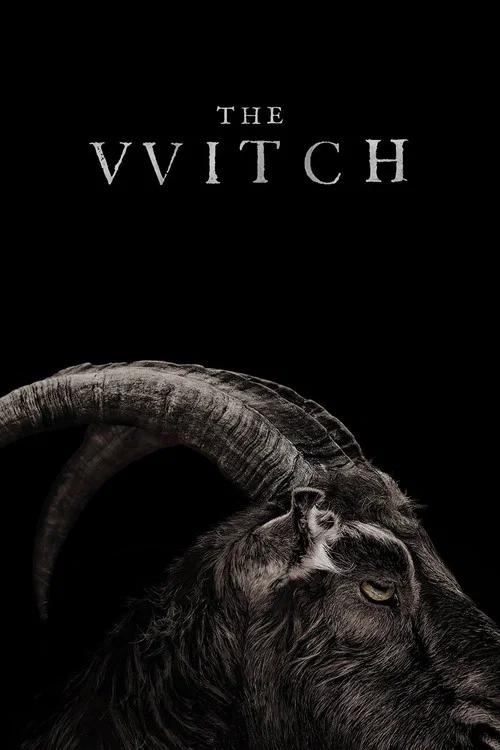
The Witch (2015) uses no jump scares at all. The early scenes are mostly the family working their fields, with the forest sitting at the edge of the frame the whole time. The grey sky and the failing crops do the work. By the end, the devil feels like the only explanation left for what's happening to them.
Keeping the monster off screen
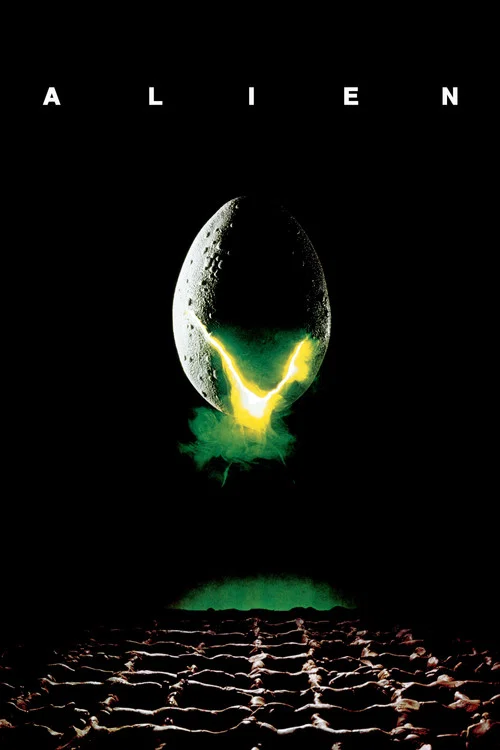
What you can't see is usually scarier than what you can, since your imagination fills the gap. Alien (1979) almost never gives you a clear look at the adult creature. Ridley Scott leans on darkness, partial glimpses and the crew's reactions. Lambert's death is the scene to study. You hear it and don't see it, so you end up building the alien yourself out of sounds.
Alien earns that fear slowly, too. The first scenes are the crew eating and arguing about bonuses on a ship full of low ceilings and dripping pipes. They feel like people with jobs, which makes losing them hit harder.
The Witch does something similar with the goat, Black Phillip. He's mostly a sound (his bell, his breathing) and a still, unblinking stare from the pen at night. The witch herself is only ever glimpsed. Eggers trusts the family's terror to carry those scenes.
Jump scares and shocks
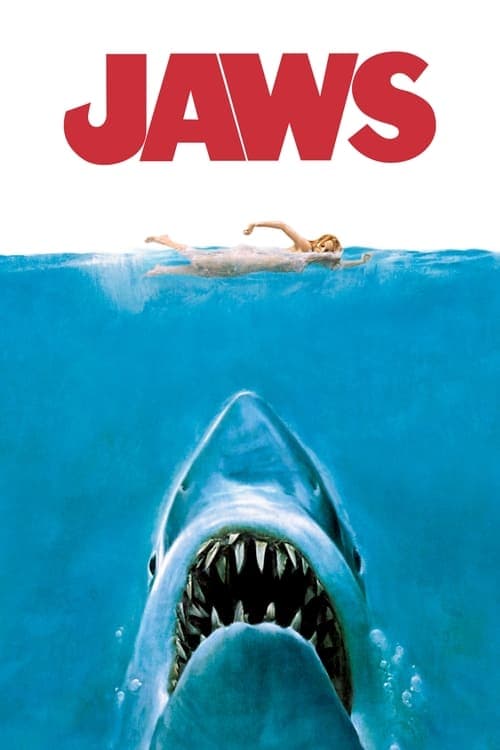
A jump scare is a sudden shock timed to make you flinch. The good ones set you up first. Jaws (1975) teaches you early that John Williams' 2-note theme means the shark is near. Then, on the Orca, there's no theme playing. You relax, and the shark surfaces anyway. Spielberg turned the missing music into the setup.
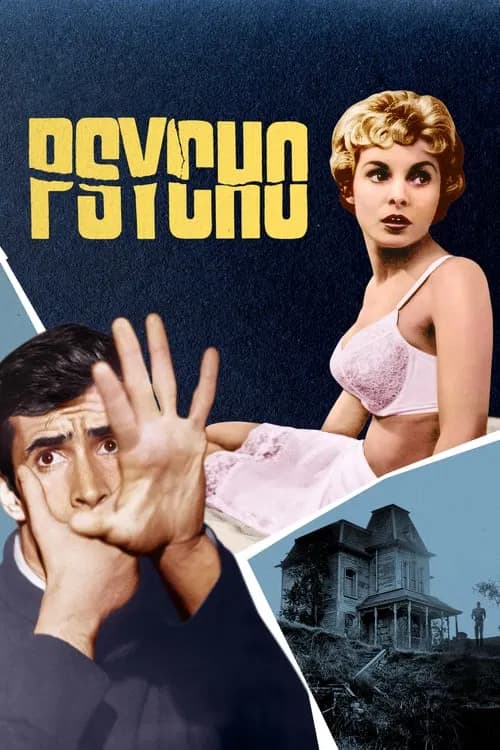
Psycho (1960) pulls its biggest shock through the story itself. Marion looks like the main character of a crime film about stolen money, and she's killed 47 minutes in. Bernard Herrmann's strings come in with the first movement of the knife. They're written for strings only, and they land on your nerves like a physical attack.
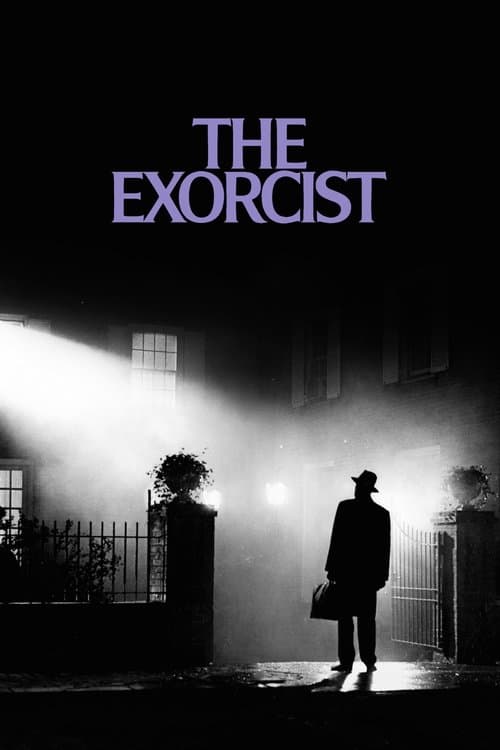
The Exorcist (1973) hides its shocks instead. Friedkin slips brief flashes of a demon face into the film, including a single frame of a white-painted face during Father Karras's nightmare. At normal speed, you barely register it. You still feel that something was there.
Body horror
Body horror shows a body being damaged or changed, and it works because you picture it happening to yours. Hereditary has the hardest example on this list. After the accident, the film holds on the physical aftermath far longer than you're ready for. Nothing supernatural is going on in that moment, which is part of why it's so hard to watch.
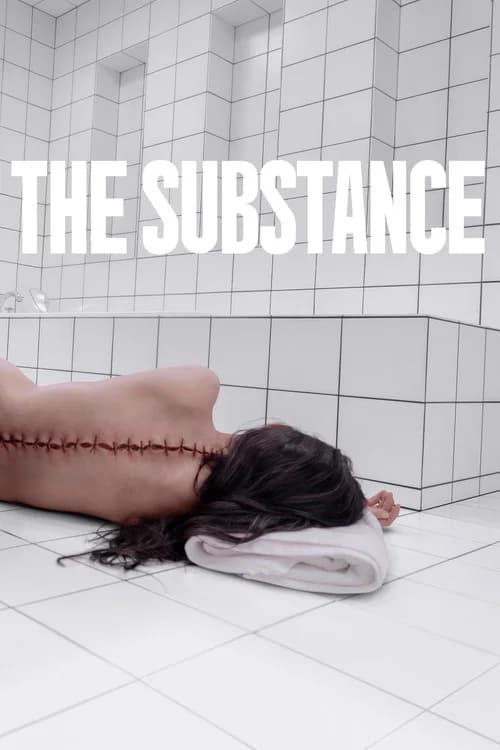
The Substance (2024) escalates in steps, from cosmetic injections to bones cracking to a fairly apocalyptic final act. The first use of the drug is the scene to watch. Elisabeth's body splits into 2 separate selves, and the camera records it in clinical detail without looking away. Fargeat ties all of it to what the beauty industry does to women's bodies over time.
Sound and silence
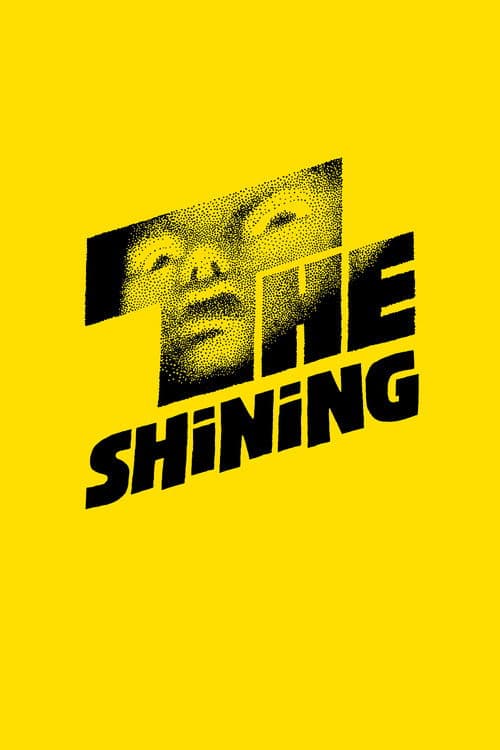
A lot of horror happens in your ears. The Shining (1980) builds dread from sounds inside the hotel. Danny's Big Wheel rumbles over the wooden floors, goes quiet each time it crosses a rug and starts up again. In the Gold Room, old dance band music plays for a party that shouldn't be there. In the 'Here's Johnny' scene, the sound drops to silence right before the axe blow.
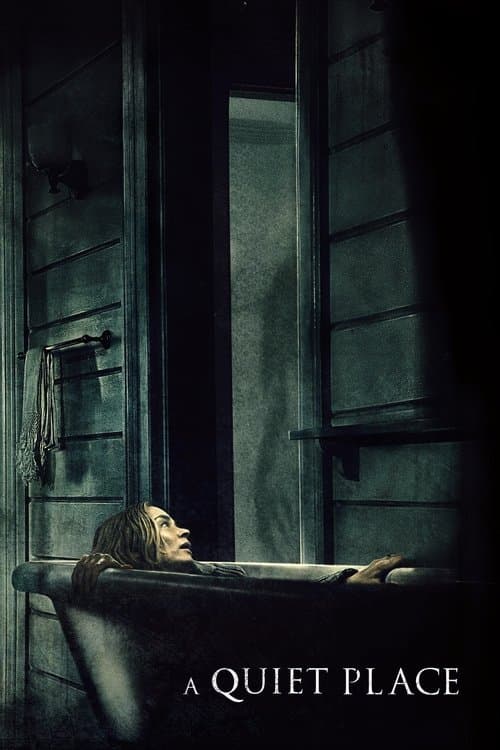
A Quiet Place (2018) turns sound into the rules of the world. The creatures hunt by noise, so a dropped corn kernel or a nail on a stair can get someone killed. The opening pharmacy scene trains you fast. The family signs to each other and plans every footstep, and the first accidental noise lands like a disaster.
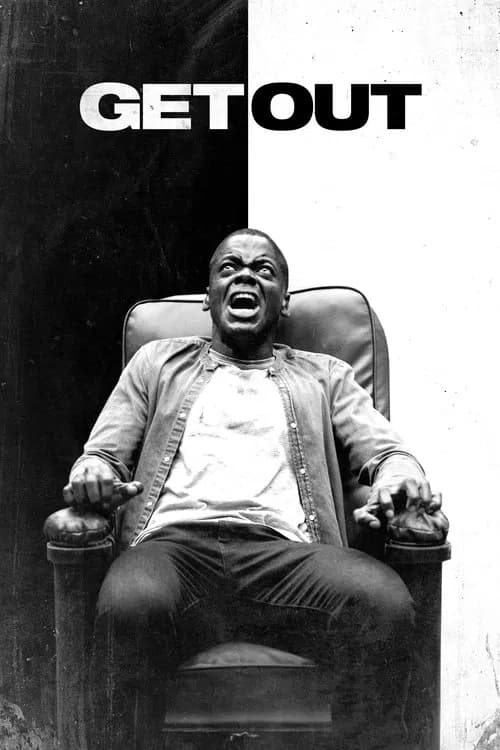
Get Out (2017) uses its score as an early warning. A choral theme built on a Swahili phrase meaning 'listen to the ancestors' starts in the opening credits. It comes back whenever the threat grows, so you hear the danger before Chris sees it.
Horror in daylight and in other people
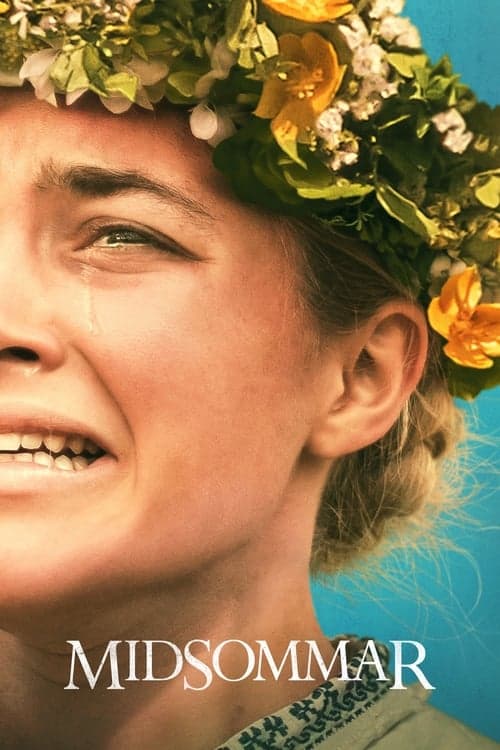
Some of the scariest horror has no monster at all. Midsommar (2019) plays out almost entirely in bright daylight, all yellows, whites and greens. The commune has no hidden evil either. Its beliefs are completely consistent, and its rituals make sense inside its own system. Watch the ritual at the cliff. The whole community carries it out with calm respect, and the horror is how fully they accept something the visitors can only see as an atrocity.
Get Out puts its horror in the people around Chris. At the garden party, the camera stays where Chris is while the guests inspect him like a product, so you feel how tiring it is to be stared at. The Sunken Place takes that feeling further. Chris is awake but trapped behind his own eyes and can't act, and the film turns that state into an actual place.
How to use this when you watch
Next time a horror scene gets to you, try to name the tool. Ask what the film kept from you and what it made you hear. Then rewatch the scene with your eyes on the edges of the frame, or with the sound turned up. You'll usually find the scare was set up well before it landed.
More guides
- Film Noir Lighting Explained: 8 Films That Nail It
- How Directors Build Suspense: 8 Films That Show You How
- Unreliable Narrator Movies Explained: 9 Films That Fool You
- Non-Linear Movies Explained: 8 Films Told Out of Order
- Long Takes and Oners Explained: 9 Famous One-Shot Scenes
- How Color Tells the Story: 9 Films With Meaningful Palettes