Science Fiction · Thriller · Mystery

Minority Report

Steven Spielberg, 2002

In 2054 Washington, a police unit stops murders before they happen using three people who see the future. When the system names its own chief, John Anderton, as a future killer, he runs. For filmmakers, watch how a chase film explains an entire world through its tech.

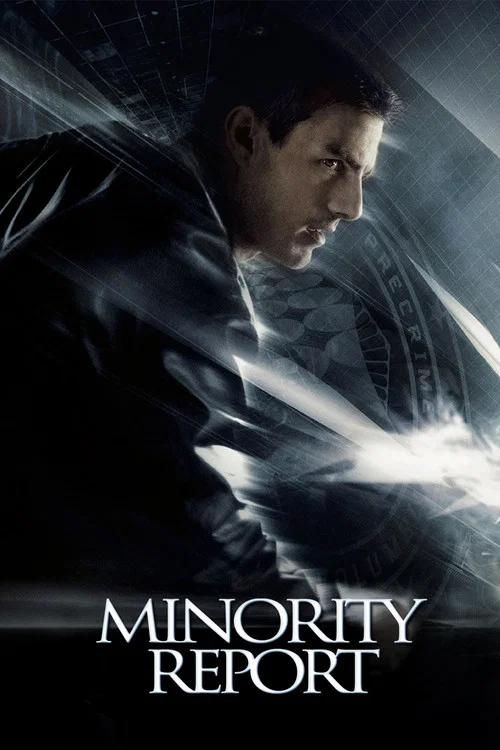
Minority Report (2002) poster

At a glance

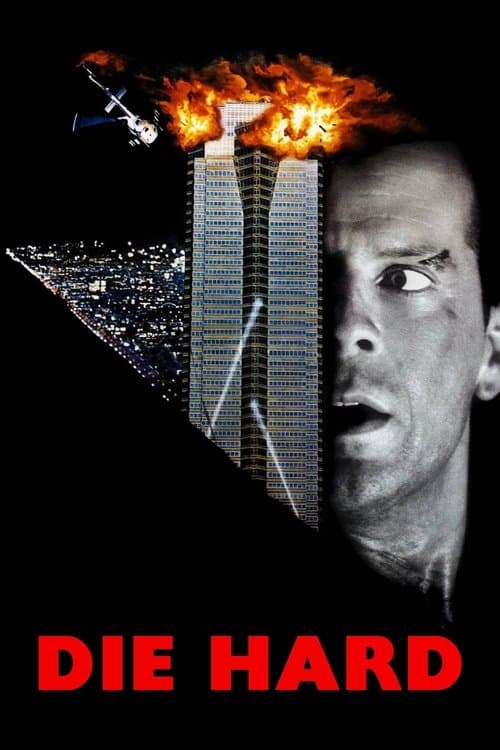
Minority Report is a 2002 science fiction, thriller and mystery film directed by Steven Spielberg. This breakdown covers 4 techniques (1 narrative, 1 editing and 2 cinematography), each with the scene where you can see it. If you like how it is made, Die Hard uses several of the same techniques.

Narrative

Ticking Clock Structure

Building the story around a clear deadline the hero must beat. The time pressure and the obstacles grow with each scene until the climax.

How this film uses it

The system says Anderton will commit a murder within a set number of hours. Every scene after that has a limit on how much time he has left. Each hiding place and each stolen item has a cost.

Where to see it

The prediction: Anderton sees a vision of himself as the killer of a man he has never met and has to run before the police arrive.
Editing

Kinetic Set Piece Architecture

Building an action sequence as a chain where each solution creates a new problem. The layout of the space stays clear, so the escalation follows its own logic.

How this film uses it

The car factory chase makes the environment part of the fight. Anderton's car is being assembled around him while he struggles with the police. Each new machine creates a new obstacle and a new way to escape.

Where to see it

The car factory: Anderton is attacked while his car moves down an assembly line, and the line builds the vehicle as he fights.

Cinematography

Surveillance Camera Grammar

Shooting with the look of surveillance footage: fish-eye lenses, hidden or high angles, static wide frames and cameras placed inside objects. You feel like you are watching remotely, and the image looks strange.

How this film uses it

This future is full of eye scanners, spying spider robots and ads that greet you by name. The camera often shows you what the machines see. You realize quickly that nobody can hide in this city.

Where to see it

The spider robots: Mechanical spiders scan the eyes of everyone in an apartment block while Anderton hides, and he stays still in a bathtub of cold water.

Cinematography

Drained Color Look

Pulling the color out of the image and keeping it in cold grays and washed tones. The harsh, muted look makes a world feel sterile, drab or oppressive.

How this film uses it

The film has a pale, high-contrast look in which skin and sky feel washed out. The future looks sleek yet unwelcoming, and you start to distrust it. It suits a story about a system that claims to be perfect.

Where to see it

The precrime raid: Early in the film, the PreCrime team arrives at a home to stop a murder, and the pale light makes the neat house look cold.

Questions

Minority Report: quick answers

What filmmaking techniques does Minority Report use?
CineCode breaks down 4 techniques in Minority Report (2002): Ticking Clock Structure, Kinetic Set Piece Architecture, Surveillance Camera Grammar and Drained Color Look.
Who directed Minority Report?
Steven Spielberg directed Minority Report, released in 2002. CineCode also covers Duel (1971), Jaws (1975), Close Encounters of the Third Kind (1977), 1941 (1979), Raiders of the Lost Ark (1981), E.T. the Extra-Terrestrial (1982).
What films are similar to Minority Report?
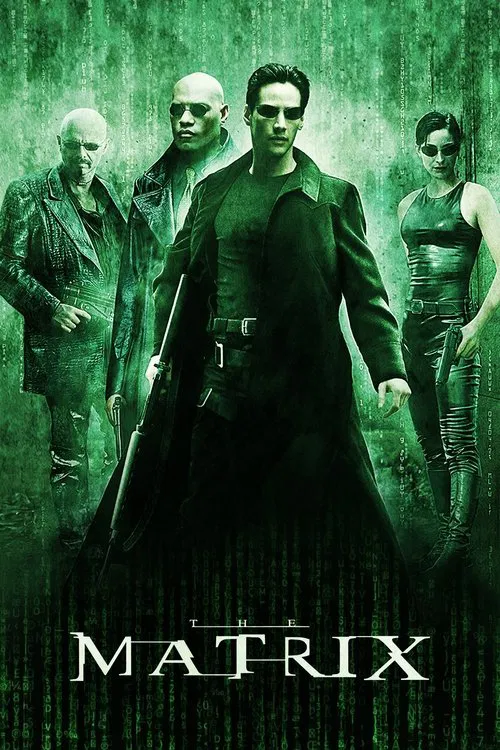
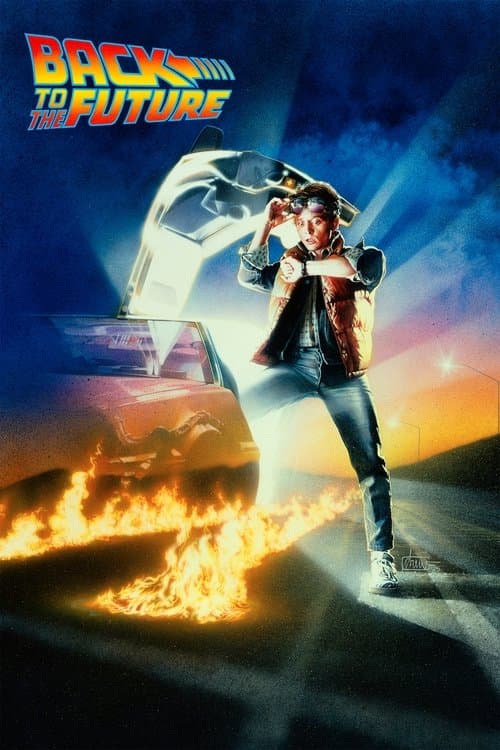
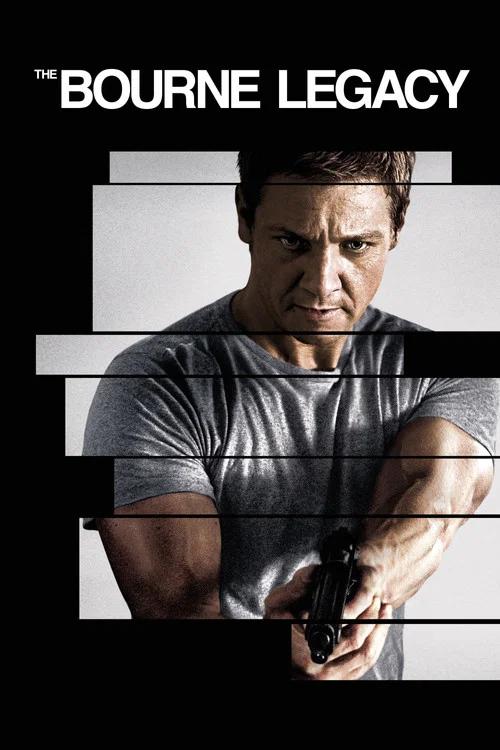
Films that share techniques with Minority Report include Die Hard (1988), The Bourne Legacy (2012), The Matrix (1999), Back to the Future (1985).