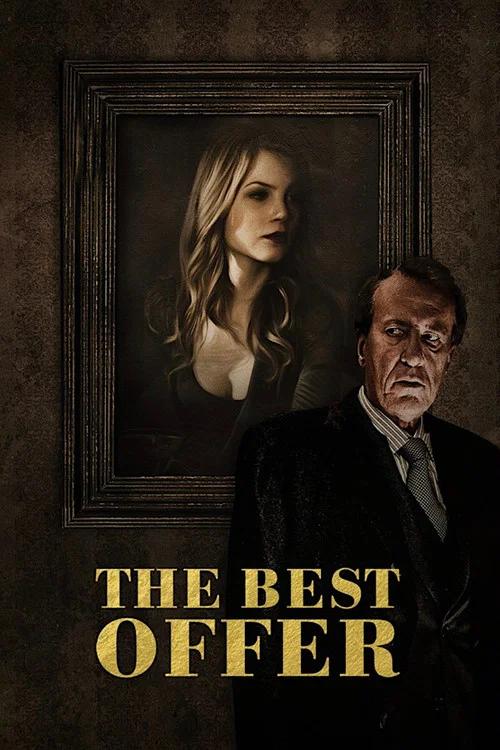
Virgil Oldman is a gloved, solitary auctioneer who secretly rigs sales to build a hidden collection of portraits. When a reclusive heiress hires him to sell her family's estate, he falls for her through a locked door. Watch how the film hides its twist in plain sight.
The Best Offer is a 2013 mystery, drama and romance film directed by Giuseppe Tornatore. This breakdown covers 5 techniques (2 narrative, 1 psychology, 1 sound and 1 cinematography), each with the scene where you can see it. If you like how it is made, The Shawshank Redemption uses several of the same techniques.
Holding back a key piece of information for a large part of the film, then revealing it in 1 moment. Everything you already watched now means something different.
How this film uses it
For most of the film you share Virgil's view of Claire and the villa. The truth lands in one scene, when the vault is empty. Everything you watched before, including every kind word, now means something else.
Where to see it
The empty vault: After a successful auction, Virgil returns to find the vault empty and Claire gone. Only the automaton is left.
Returning to the same physical object again and again until it means more than what it is. It moves the plot and also stands for the film's main ideas.
How this film uses it
Parts of an automaton by an 18th-century inventor are found at the villa. Virgil has them rebuilt, and the machine takes shape as the plot does. It ends up as the only thing left, a cold copy of something that seemed alive.
Where to see it
The automaton: At the villa, Virgil finds mechanical parts and hires Robert to rebuild them. At the end the automaton plays a recorded message from Robert.
Showing one character steering another through suggestion, reading, triggers or false trust. The manipulation works because the target wants to believe or cannot resist.
How this film uses it
Virgil is steered by people who seem to be helping him. Robert coaches him on how to win Claire, and Claire speaks to him only through a door. Virgil falls for it because he wants it to be true.
Where to see it
The locked door: Claire speaks to Virgil only by phone and notes, and their relationship grows through a locked door.
Letting a particular composer's or musician's style define the film's sound. The music has a recognizable voice that shapes mood and character.
How this film uses it
Ennio Morricone's music has a voice you can recognize. It won the Italian David di Donatello award for Best Score and a European Film Award. The score adds romance to the story, which helps you believe in it.
Where to see it
Prague ending: Virgil visits a restaurant full of clocks that Claire once called happy, sits alone and waits.
Designing the sets to reflect what is going on inside a character. The place they live in tells you things about them that the dialogue doesn't.
How this film uses it
Virgil keeps a secret vault of portraits, all women, hidden from everyone. The vault shows his need for love he cannot have in person. The clock-filled restaurant in Prague gives the ending the feel of a place built around waiting.
Where to see it
The vault: Virgil hides the portraits he secretly bought cheaply at rigged auctions in a hidden vault.
Questions
The Best Offer: quick answers
What filmmaking techniques does The Best Offer use?
CineCode breaks down 5 techniques in The Best Offer (2013): The Long Reveal, Symbolic Object, Psychological Manipulation, Composer Signature Score and Production Design as Psychological Space.
Who directed The Best Offer?
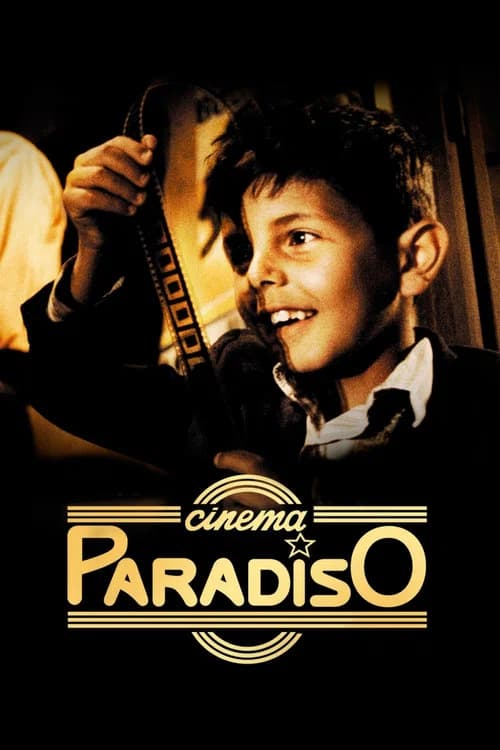
Giuseppe Tornatore directed The Best Offer, released in 2013. CineCode also covers Cinema Paradiso (1988).
What films are similar to The Best Offer?
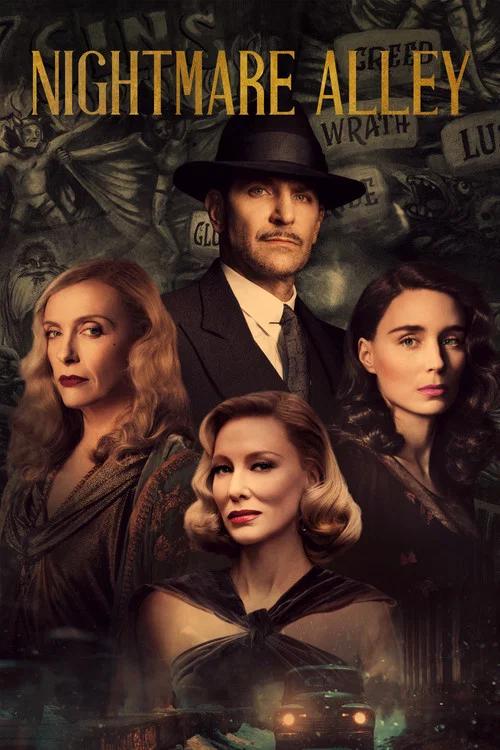
Films that share techniques with The Best Offer include The Shawshank Redemption (1994), The Apartment (1960), The Babadook (2014), Nightmare Alley (2021).