Drama

Through a Glass Darkly

Ingmar Bergman, 1961

Karin, newly out of a psychiatric hospital, spends a summer day on a remote island with her husband, her father and her teenage brother. Her illness returns as she begins to hear voices. Watch how Bergman builds a whole film from 4 people, an island and almost no music.

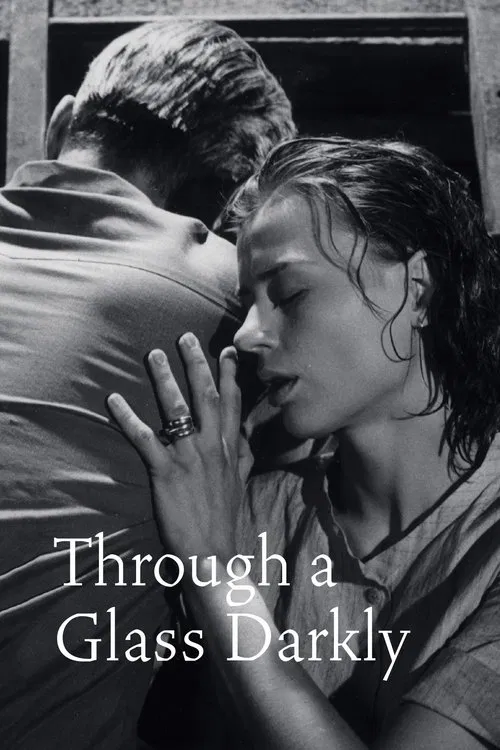
Through a Glass Darkly (1961) poster

At a glance

Through a Glass Darkly is a 1961 drama film directed by Ingmar Bergman. This breakdown covers 4 techniques (1 psychology, 1 sound, 1 narrative and 1 cinematography), each with the scene where you can see it. If you like how it is made, Nights of Cabiria uses several of the same techniques.

Psychology

Unreliable Reality

Keeping it unclear what is real and what is imagined in the film's world. You end up as unsure as the main character.

How this film uses it

Karin hears voices and sees things that no one else can. You are never sure which are symptoms and which are real, and her family cannot tell either. By the end you share her confusion.

Where to see it

The attic: Karin hears voices, follows a foghorn to the attic and faints.
Sound

Absent Musical Score

Leaving out background music almost entirely, even in scenes that would normally have it. Wind, footsteps and a creaking door have to create the mood and emotion.

How this film uses it

The film relies on natural sound such as wind, waves and quiet talk. The one major exception is cello music, a Bach sarabande, after Karin and Minus have sex. Because the rest of the film is so quiet, that music hits hard.

Where to see it

The beach during a storm: Karin and Minus have sex, and Bach's cello music follows.

Narrative

Staged Performance Within Film

Embedding a play or musical inside the film, so the staged piece mirrors or comments on the characters' real lives.

How this film uses it

Minus writes a play for the family, and the way David reacts shows how he sees himself. The play lets the film say what the characters cannot.

Where to see it

Minus's play: Minus writes a play that the family performs, and David takes offense at how it portrays him.

Cinematography

Deliberate Close-Up Performance

Holding a close-up on an actor's face long enough to catch tiny changes in expression. You read what the character is thinking from details a wider shot would miss.

How this film uses it

Bergman holds close-ups on Harriet Andersson's face as Karin's mind wavers between calm and fear. You read her illness from small shifts around her eyes and mouth. Her face becomes the film's main special effect.

Where to see it

Karin's confession: she says she cannot live in 2 realities and asks to go back to hospital. She describes God as an evil-faced spider.

Questions

Through a Glass Darkly: quick answers

What filmmaking techniques does Through a Glass Darkly use?
CineCode breaks down 4 techniques in Through a Glass Darkly (1961): Unreliable Reality, Absent Musical Score, Staged Performance Within Film and Deliberate Close-Up Performance.
Who directed Through a Glass Darkly?
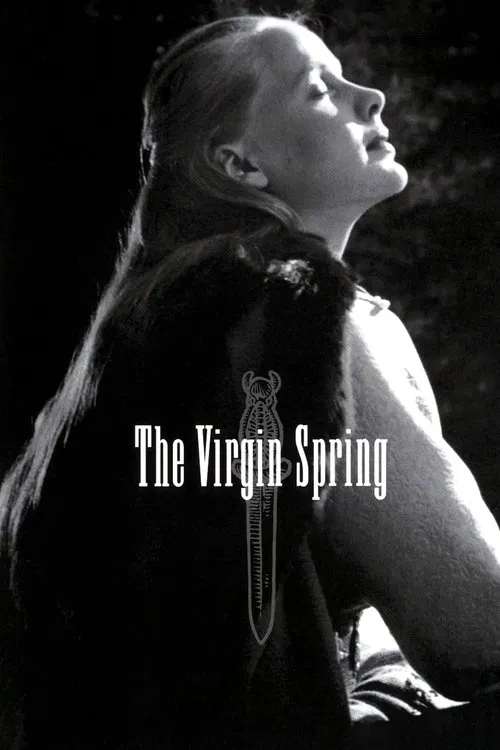
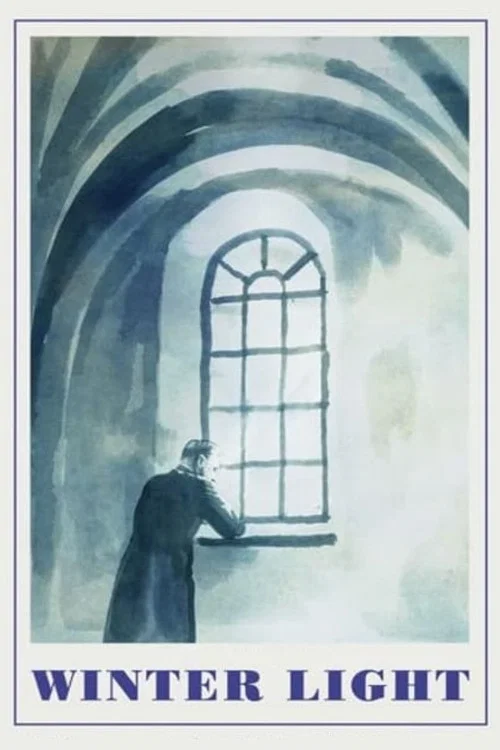
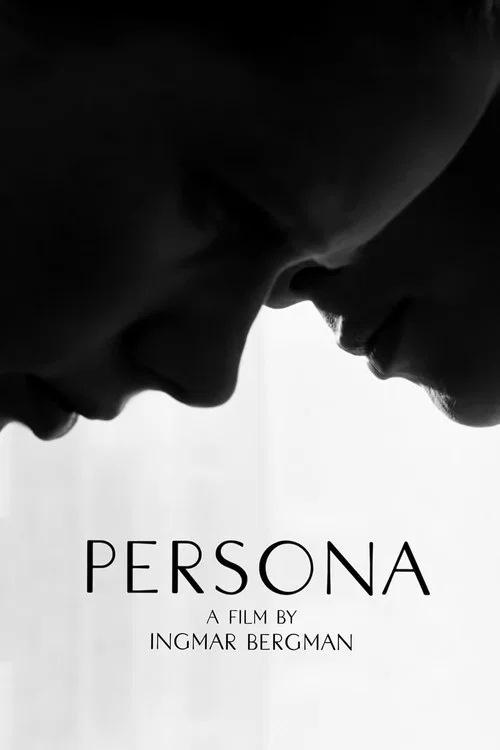
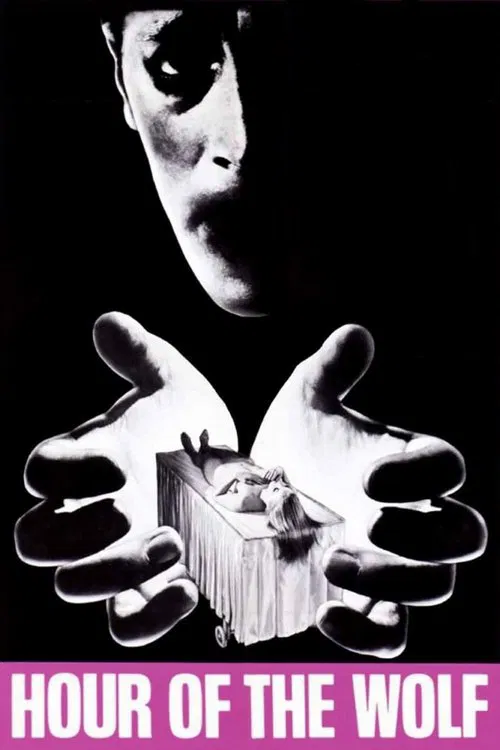
Ingmar Bergman directed Through a Glass Darkly, released in 1961. CineCode also covers The Seventh Seal (1957), Wild Strawberries (1957), The Virgin Spring (1960), Winter Light (1963), Persona (1966), Hour of the Wolf (1968).
What films are similar to Through a Glass Darkly?
Films that share techniques with Through a Glass Darkly include Nights of Cabiria (1957), Beau Is Afraid (2023), Inception (2010), 28 Years Later: The Bone Temple (2026).