Thriller · Film Noir

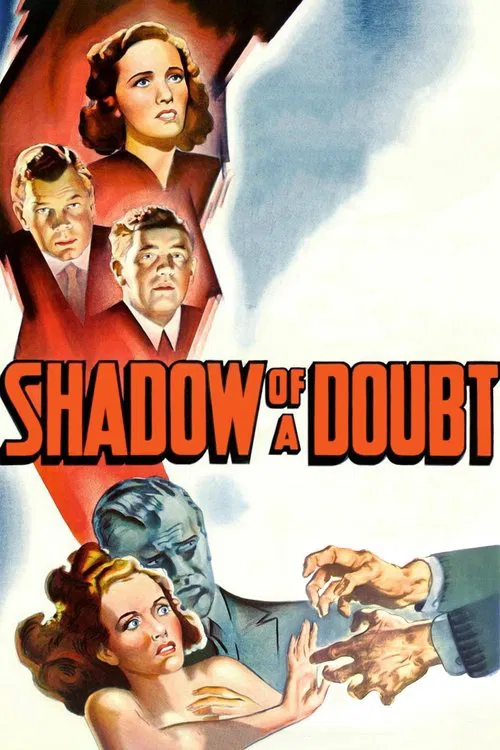
Shadow of a Doubt

Alfred Hitchcock, 1943

A bored teenager in Santa Rosa, California, is thrilled when her favorite uncle, also named Charlie, comes to stay. Then she starts to suspect he is the Merry Widow Murderer, a man who kills rich widows. Hitchcock called it his own favorite of his films. Watch how he hides a killer inside a warm, sunny family home.

Shadow of a Doubt (1943) poster

At a glance

Shadow of a Doubt is a 1943 thriller and film noir film directed by Alfred Hitchcock. This breakdown covers 5 techniques (1 psychology, 2 cinematography, 1 sound and 1 narrative), each with the scene where you can see it. If you like how it is made, Get Out uses several of the same techniques.

Psychology

Psychological Doubling

Pairing the main character with a second character who mirrors them. The double shows what the hero wants, fears or secretly is.

How this film uses it

Young Charlie and Uncle Charlie share a name, and the film keeps pairing them. The 2 of them are even called twins. He shows what she could turn into, and she has to decide how far she will go to protect her family from him.

Where to see it

The opening introductions. Uncle Charlie lies fully dressed on a bed in a rented room. Then the film cuts to young Charlie in Santa Rosa, lying on her own bed in the same pose.

Cinematography

Small Town as Moral Geography

Treating a small town as more than a setting. Its buildings, lighting and relationships show the community's values and limits, which shape what the characters can do and what gets destroyed.

How this film uses it

Hitchcock shot on location in Santa Rosa, a real town with real streets and front porches. The town looks so safe that nobody can imagine a murderer in it. That trust is exactly what lets Uncle Charlie hide there.

Where to see it

Charlie's rush to the town library. She runs through downtown Santa Rosa at night and finds the newspaper story about the Merry Widow Murderer that her uncle tried to hide.

Sound

Leitmotif

Repeating a short piece of music or a sound every time a certain character, idea or feeling comes up. You learn to connect the 2.

How this film uses it

The Merry Widow Waltz plays over the opening credits with couples dancing in old-fashioned clothes. Composer Dimitri Tiomkin brings it back, often twisted, whenever the murders come close. Young Charlie can't get the tune out of her head, and you already know what it means.

Where to see it

The opening titles. Couples in Gay Nineties dress waltz to the Merry Widow Waltz. The same dancers come back later at key turning points in the film.

Narrative

Dramatic Irony

Letting the audience know something a character doesn't. You watch them act without that knowledge, which creates suspense, dread or dark comedy.

How this film uses it

Charlie's father and his neighbor Herbie love crime stories. They spend their evenings planning perfect murders as a game. You know a real killer is in the house, so their jokes turn sick, and you feel Charlie's horror listening to them.

Where to see it

Herbie's after-dinner visit. He drops by to talk about poisonous mushrooms and drowning someone in a bathtub, and Charlie snaps and asks why they always have to talk about killing people.

Cinematography

Deliberate Close-Up Performance

Holding a close-up on an actor's face long enough to catch tiny changes in expression. You read what the character is thinking from details a wider shot would miss.

How this film uses it

Uncle Charlie gives a cold speech about rich widows at the family dinner table. The camera holds him in profile and creeps closer as he talks. When he turns to face it, you see the charm drop off his face completely.

Where to see it

The dinner speech. Charlie objects that the widows are human beings. He turns into an extreme close-up and asks, "Are they, Charlie?"

Questions

Shadow of a Doubt: quick answers

What filmmaking techniques does Shadow of a Doubt use?
CineCode breaks down 5 techniques in Shadow of a Doubt (1943): Psychological Doubling, Small Town as Moral Geography, Leitmotif, Dramatic Irony and Deliberate Close-Up Performance.
Who directed Shadow of a Doubt?
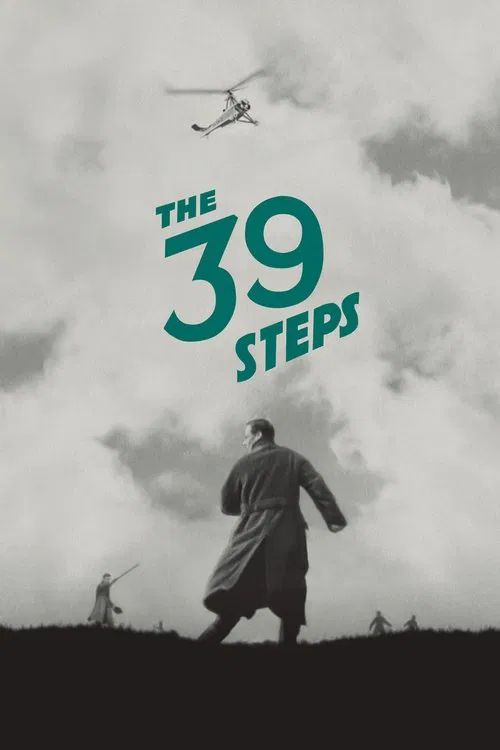
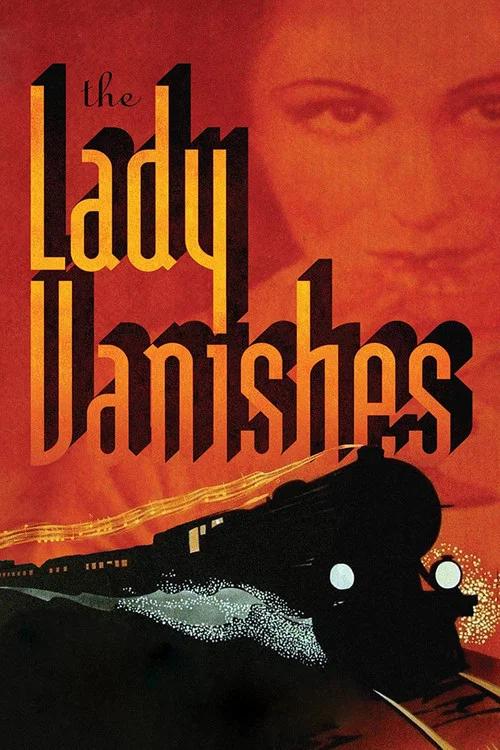
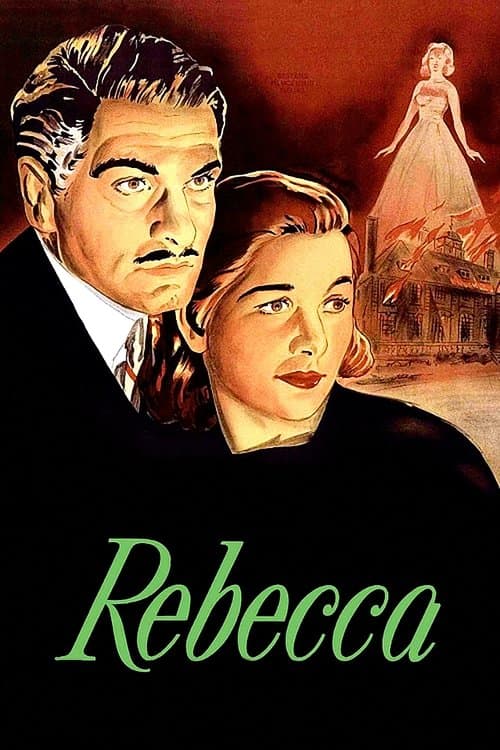
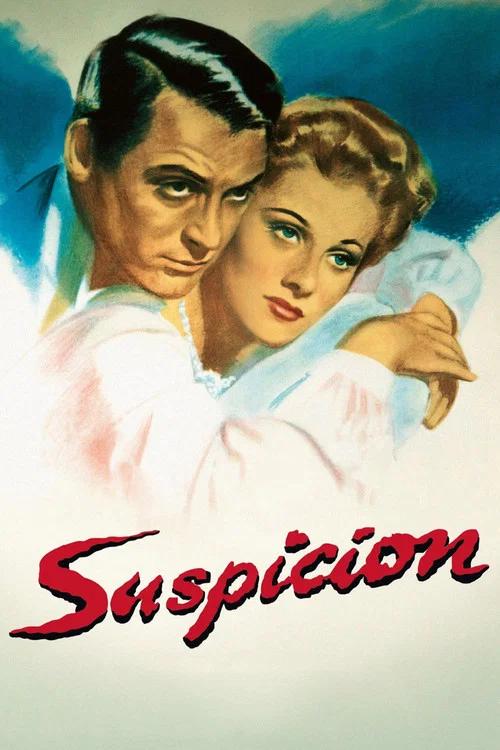
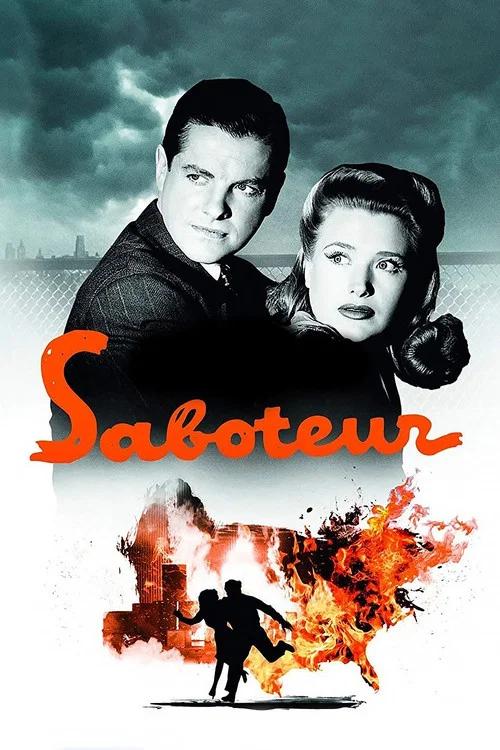
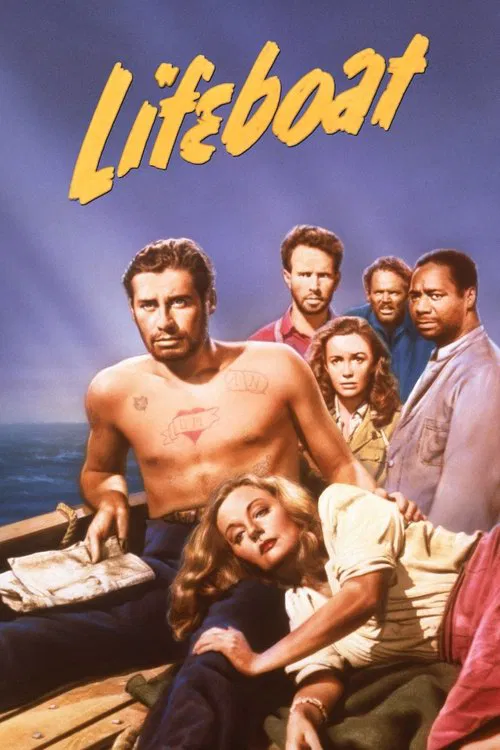
Alfred Hitchcock directed Shadow of a Doubt, released in 1943. CineCode also covers The 39 Steps (1935), The Lady Vanishes (1938), Rebecca (1940), Suspicion (1941), Saboteur (1942), Lifeboat (1944).
What films are similar to Shadow of a Doubt?
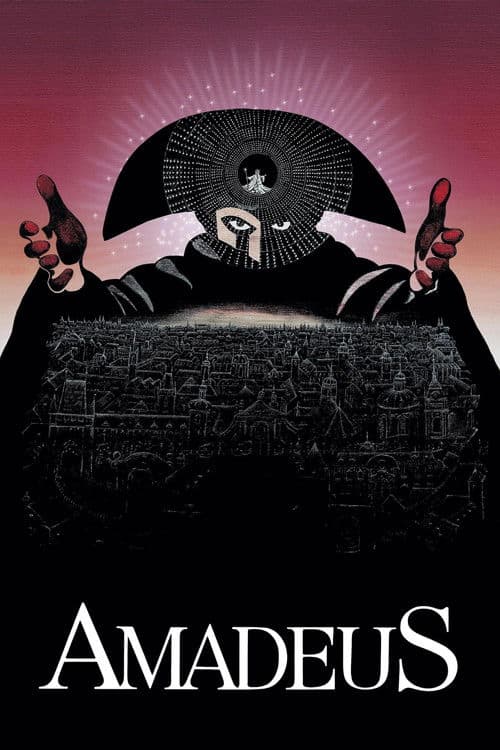
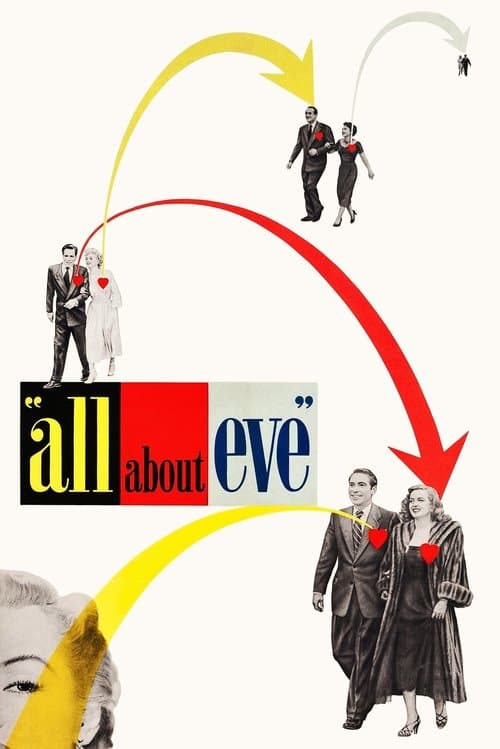
Films that share techniques with Shadow of a Doubt include Get Out (2017), Black Swan (2010), Amadeus (1984), All About Eve (1950).