Drama · War · Thriller

Lifeboat

Alfred Hitchcock, 1944

After a ship and a German U-boat sink each other, a handful of survivors share 1 lifeboat, and the German captain they pulled from the sea quietly steers them his way. Hitchcock tells the whole story on a boat the size of a living room.

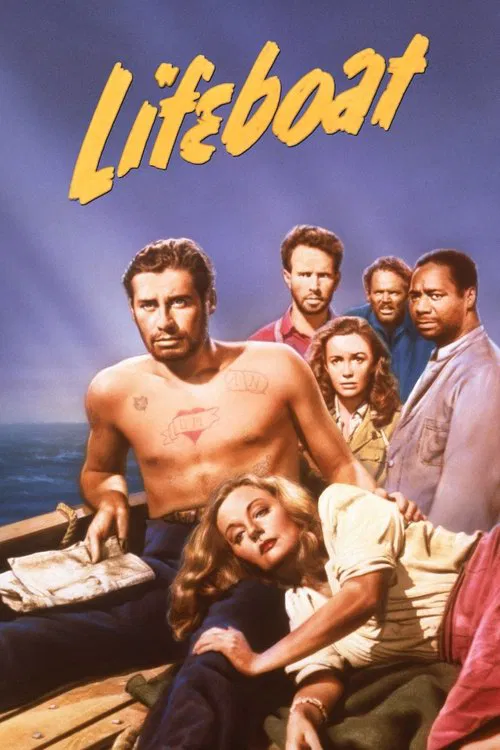
Lifeboat (1944) poster

At a glance

Lifeboat is a 1944 drama, war and thriller film directed by Alfred Hitchcock. This breakdown covers 4 techniques (1 cinematography, 1 sound, 1 narrative and 1 psychology), each with the scene where you can see it. If you like how it is made, Cast Away uses several of the same techniques.

Cinematography

Single-Location Cinematography

Shooting almost the whole film in 1 confined place. Set design and camera movement keep it visually interesting, and the space itself takes on meaning as the story goes on.

How this film uses it

The entire story takes place on 1 small boat in open water. Everyone is always in sight of everyone else. You feel how little room anyone has to hide.

Where to see it

The storm. Willi, who has been using a hidden compass, takes control of the boat from Kovac.
Sound

Absent Musical Score

Leaving out background music almost entirely, even in scenes that would normally have it. Wind, footsteps and a creaking door have to create the mood and emotion.

How this film uses it

No music plays during the story, only the opening and closing credits. The sound is the water and the voices, plus a song sung by the U-boat captain and by Gus with a flute. Hitchcock joked that he could not explain where an orchestra would come from.

Where to see it

The long stretches at sea. Apart from a few songs, you hear only the survivors talking and the water.

Narrative

Allegorical Microcosm

Confining a small group in a bounded setting that stands for a larger society or conflict, so their choices read as commentary on the wider world.

How this film uses it

The boat holds a millionaire, a columnist, a nurse, a steward, a crewman and a German officer. Their arguments about who should lead and what to do with the German turn the boat into a small version of the world at war. Nobody can step off and leave the argument.

Where to see it

The decision about Willi. Kovac wants to throw the German overboard, and the others argue until Willi is allowed to stay.

Psychology

Social Order Breakdown

Placing people in a pressured situation where politeness and rules fall apart. The film watches panic or fear turn ordinary people into something cruder, sometimes for laughs.

How this film uses it

As hunger and thirst grow, so does the group's willingness to do ugly things. After Gus is pushed overboard and Willi's flask turns up, the survivors beat him and throw him into the sea. The end tests them again, when Rittenhouse wants to kill a wounded young German.

Where to see it

Willi's death. After Joe pulls the flask from Willi's shirt, all but Joe beat Willi and toss him overboard.

Questions

Lifeboat: quick answers

What filmmaking techniques does Lifeboat use?
CineCode breaks down 4 techniques in Lifeboat (1944): Single-Location Cinematography, Absent Musical Score, Allegorical Microcosm and Social Order Breakdown.
Who directed Lifeboat?
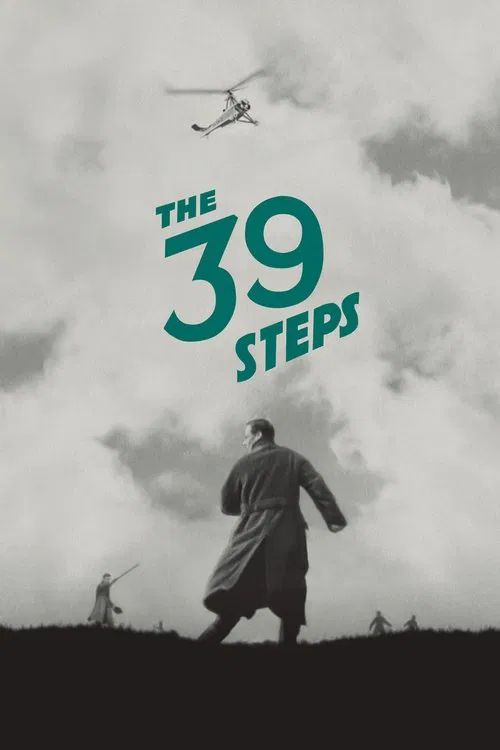
Alfred Hitchcock directed Lifeboat, released in 1944. CineCode also covers The 39 Steps (1935), The Lady Vanishes (1938), Rebecca (1940), Suspicion (1941), Saboteur (1942), Shadow of a Doubt (1943).
What films are similar to Lifeboat?
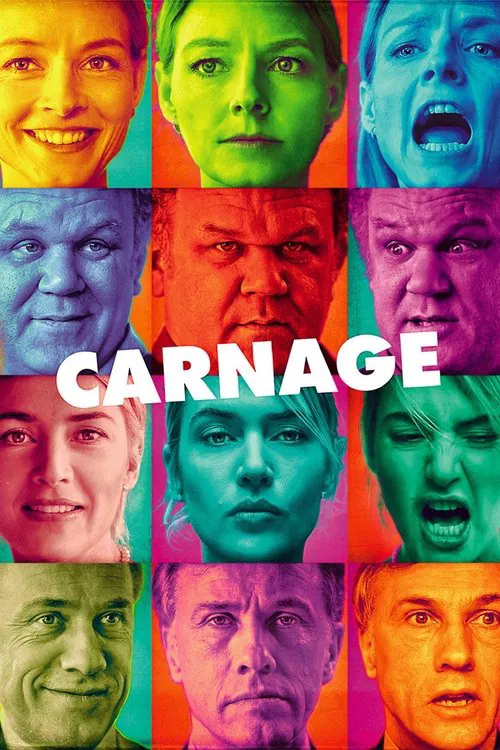
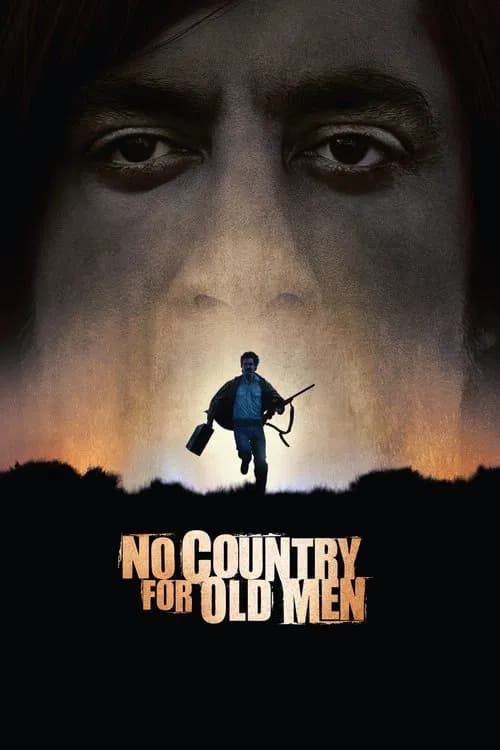
Films that share techniques with Lifeboat include Cast Away (2000), Carnage (2011), Project Hail Mary (2026), No Country for Old Men (2007).