Crime · Thriller · Action

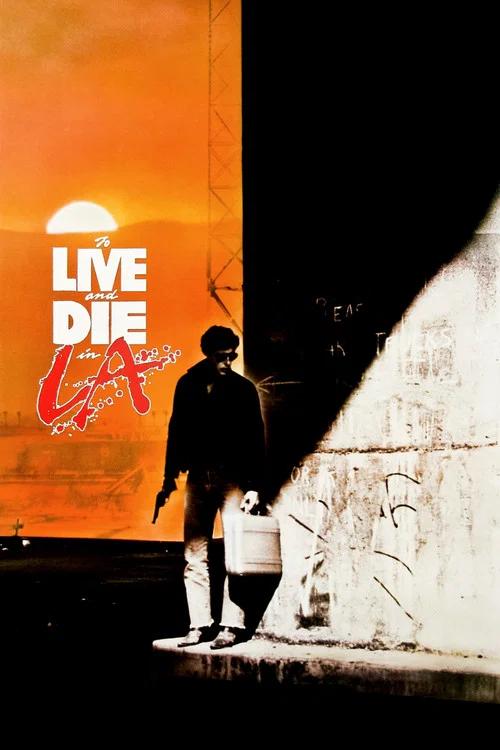
To Live and Die in L.A.

William Friedkin, 1985

Secret Service agent Richard Chance vows revenge after a counterfeiter kills his partner. He pushes his new partner into breaking laws to catch him. Friedkin shoots the whole thing in sun-bleached Los Angeles and gives you a hero who is hard to like.

To Live and Die in L.A. (1985) poster

At a glance

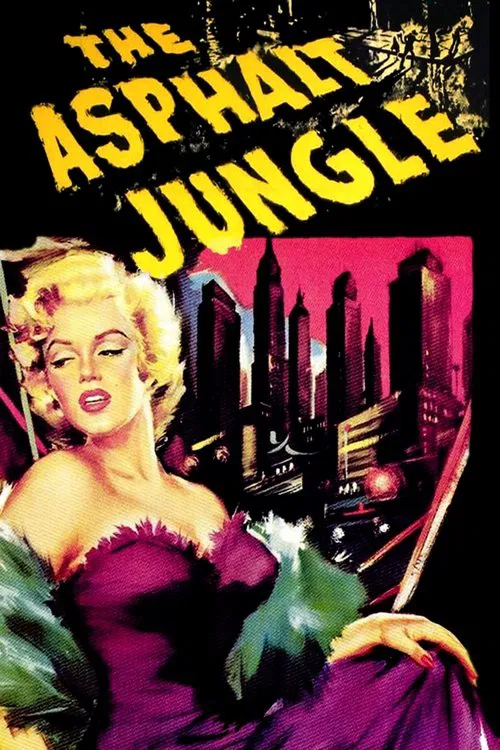
To Live and Die in L.A. is a 1985 crime, thriller and action film directed by William Friedkin. This breakdown covers 5 techniques (2 narrative, 1 cinematography, 1 editing and 1 sound), each with the scene where you can see it. If you like how it is made, The Asphalt Jungle uses several of the same techniques.

Narrative

Obsession as Structural Engine

Building the whole plot on one character's fixation with a person, goal or rival. Every scene ties back to it, and the obsession keeps feeding itself while it destroys them.

How this film uses it

Chance wants Masters at any cost, and every scene is a step in that hunt. He blackmails an informant, drags his partner into a robbery and ignores rules. The fixation keeps pulling the plot forward and keeps making things worse.

Where to see it

Chance's vow after his partner is killed. He promises his new partner Vukovich that he will take Masters down by any means necessary.
Cinematography

Real Locations as Character

Filming in recognizable real places so the setting acts like part of the cast. Streets, buildings and landscapes shape the mood of the story.

How this film uses it

Friedkin uses real Los Angeles places: Union Station, the Sixth Street Viaduct and the freeways. The city is wide, hard and bright, with no glamour. The places feel as ruthless as the men chasing each other through them.

Where to see it

The robbery under the Sixth Street Viaduct. Chance and Vukovich take the cash from Thomas Ling at gunpoint, and it goes wrong right there.

Editing

Kinetic Set Piece Architecture

Building an action sequence as a chain where each solution creates a new problem. The layout of the space stays clear, so the escalation follows its own logic.

How this film uses it

The chase after the robbery builds from one mistake to the next. The agents are followed, the shooting starts, and they escape by driving the wrong way on a freeway. Each fix creates a bigger problem, and you always know where the cars are.

Where to see it

The wrong-way freeway chase. After the panicked getaway, the agents drive against oncoming traffic to lose their pursuers.

Narrative

Expectation Collapse

Building up the usual genre expectations, like the villain getting caught and the climax approaching, then refusing to deliver them. Your own anticipation is what makes the letdown hit so hard.

How this film uses it

A cop movie trains you to expect the hero to catch the bad guy. Instead, Chance dies in the arrest attempt and Masters escapes. The film takes away its lead when you least expect it, and the story keeps going without him.

Where to see it

The failed exchange. Jack and Chance shoot each other as the agents try to arrest Masters, and Masters gets away.

Sound

Electronic Score

Scoring with synthesizers, club beats or electronic instruments. The texture can suggest a period, a mood or a character's inner state.

How this film uses it

Wang Chung wrote the soundtrack, and the synth sound gives the film a hard 1980s sheen. The music is cool and driving, so Los Angeles feels like a place that moves fast and does not care about you.

Where to see it

The opening assassination attempt on the president. Chance and Hart foil it, and the film then sets up the counterfeiting case.

Questions

To Live and Die in L.A.: quick answers

What filmmaking techniques does To Live and Die in L.A. use?
CineCode breaks down 5 techniques in To Live and Die in L.A. (1985): Obsession as Structural Engine, Real Locations as Character, Kinetic Set Piece Architecture, Expectation Collapse and Electronic Score.
Who directed To Live and Die in L.A.?
William Friedkin directed To Live and Die in L.A., released in 1985. CineCode also covers The French Connection (1971), The Exorcist (1973), Sorcerer (1977), Cruising (1980), Rules of Engagement (2000), The Hunted (2003).
What films are similar to To Live and Die in L.A.?
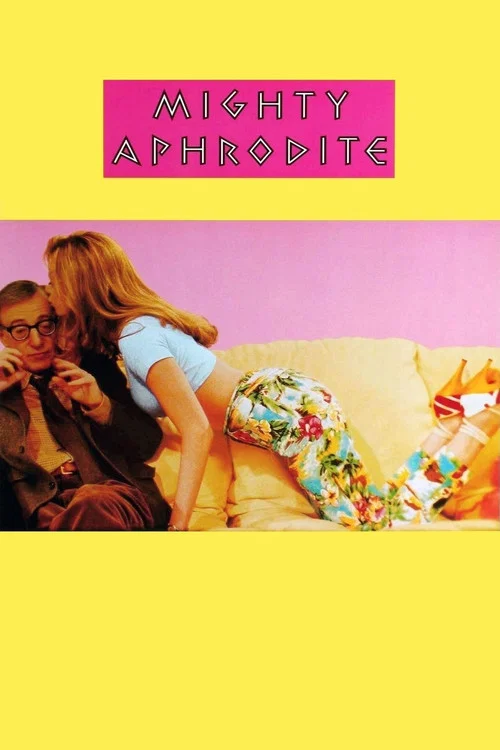
Films that share techniques with To Live and Die in L.A. include The Asphalt Jungle (1950), Mighty Aphrodite (1995), Vicky Cristina Barcelona (2008), Pi (1998).