Crime · Thriller · Mystery

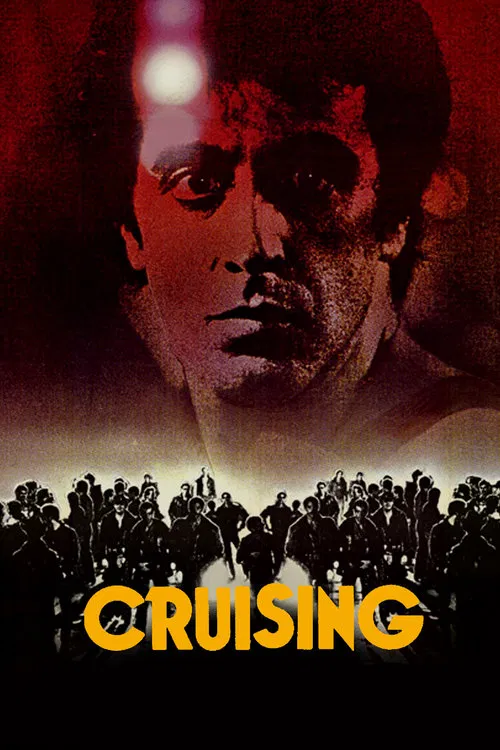
Cruising

William Friedkin, 1980

A New York police officer goes undercover in the city's gay leather bars to catch a killer who is picking off men. As he blends in, he starts to lose his grip on who he is. It is a controversial film that ends on a question mark.

Cruising (1980) poster

At a glance

Cruising is a 1980 crime, thriller and mystery film directed by William Friedkin. This breakdown covers 4 techniques (2 narrative, 1 psychology and 1 cinematography), each with the scene where you can see it. If you like how it is made, Black Rain uses several of the same techniques.

Narrative

Infiltration and Suspicion

Driving the plot with a hidden infiltrator or a suspected partner, so characters must test loyalty while trust and identity are constantly in doubt.

How this film uses it

Steve Burns takes a new name, John Forbes, and an apartment in the Meatpacking District. The deeper he goes, the harder it is to tell who is a suspect, who is a friend and who is a victim. Trust is always in doubt.

Where to see it

Burns moving into the apartment. He takes the name John Forbes and befriends his neighbor Ted Bailey.
Psychology

Identity Construction and Loss

Showing a character's sense of self being built, borrowed or stripped away by pressure, roles or the group. Who they are shifts with what they wear, say or join.

How this film uses it

Burns changes his clothes, his walk and his habits to fit in. His girlfriend Nancy notices he is drifting away. By the end, you can no longer tell where the cop stops and the role begins.

Where to see it

The final mirror scene. Burns promises Nancy he will tell her everything after he shaves, and then he stares blankly into the mirror.

Narrative

Ambiguous Antagonist

Writing an opponent the film never fully labels as evil. Their motives mix ordinary human wants with real harm, and they may even help the hero grow.

How this film uses it

The film arrests a suspect, but he denies being the killer. Soon after, Ted Bailey is found stabbed to death. Because Burns is shown copying the killer's rhyme, some viewers think the film hints at him. It never gives a clear answer.

Where to see it

Nancy trying on Burns's clothes. She puts on his leather jacket, cap and sunglasses, which look like the killer's outfit.

Cinematography

Location Stand-In

Shooting a scene in one place and dressing it to pass for another, such as a stadium that stands in for an embassy. You accept the fiction as long as the details look right.

How this film uses it

The real Mineshaft club would not allow filming, so the production dressed the Hellfire Club to look like it. Regulars of the scene appeared as extras. The environment feels real because real people are in it.

Where to see it

The club scenes. The Hellfire Club stands in for the Mineshaft and Burns moves through crowds of leather-clad regulars.

Questions

Cruising: quick answers

What filmmaking techniques does Cruising use?
CineCode breaks down 4 techniques in Cruising (1980): Infiltration and Suspicion, Identity Construction and Loss, Ambiguous Antagonist and Location Stand-In.
Who directed Cruising?
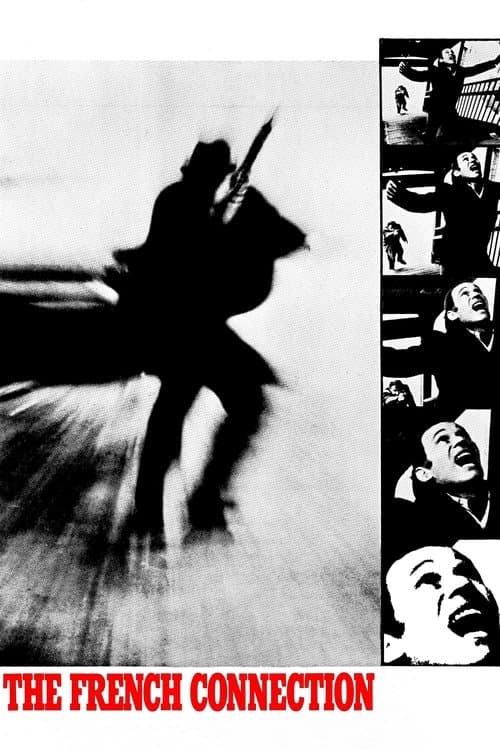
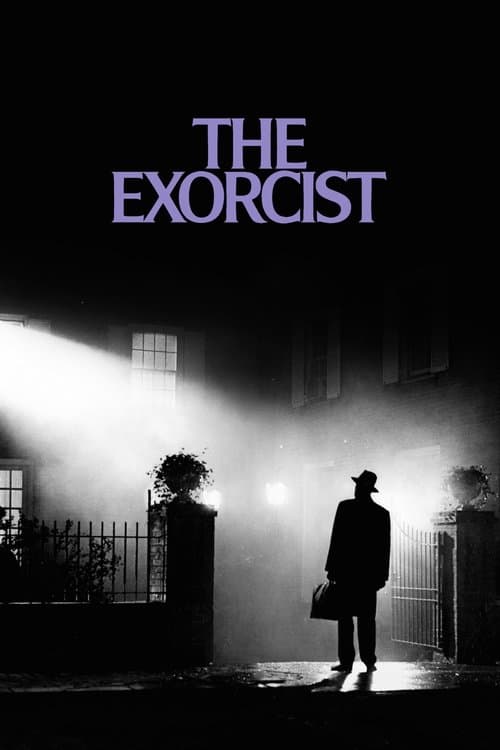
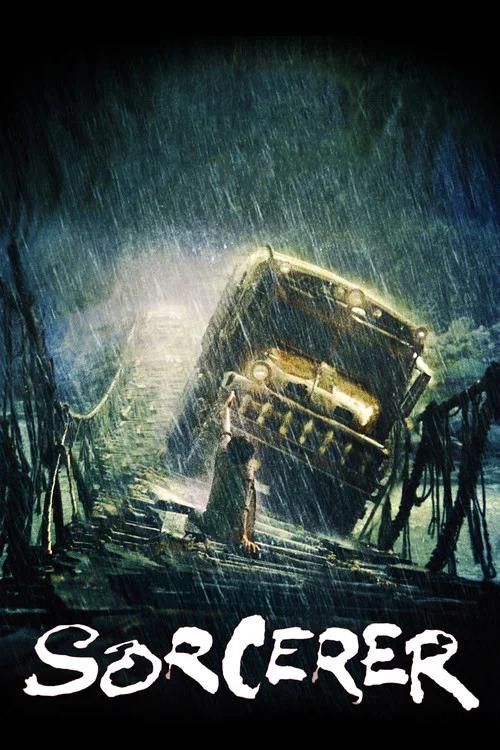
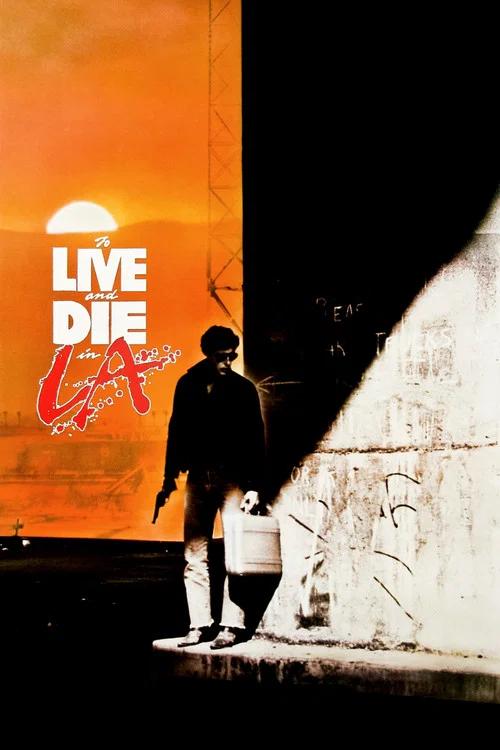
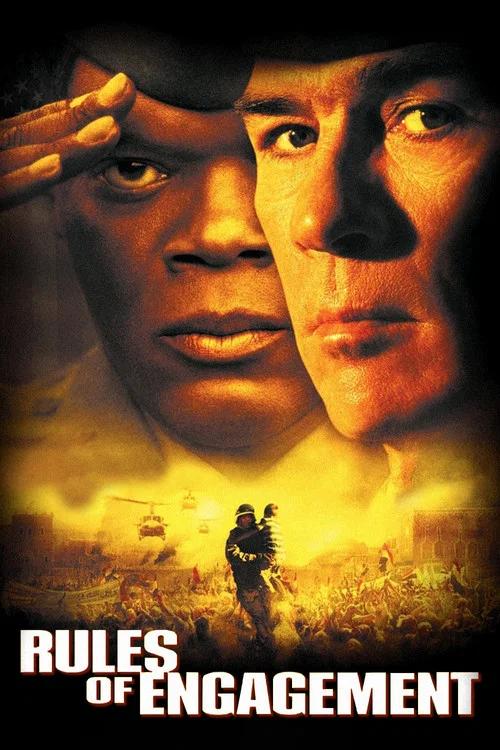
William Friedkin directed Cruising, released in 1980. CineCode also covers The French Connection (1971), The Exorcist (1973), Sorcerer (1977), To Live and Die in L.A. (1985), Rules of Engagement (2000), The Hunted (2003).
What films are similar to Cruising?
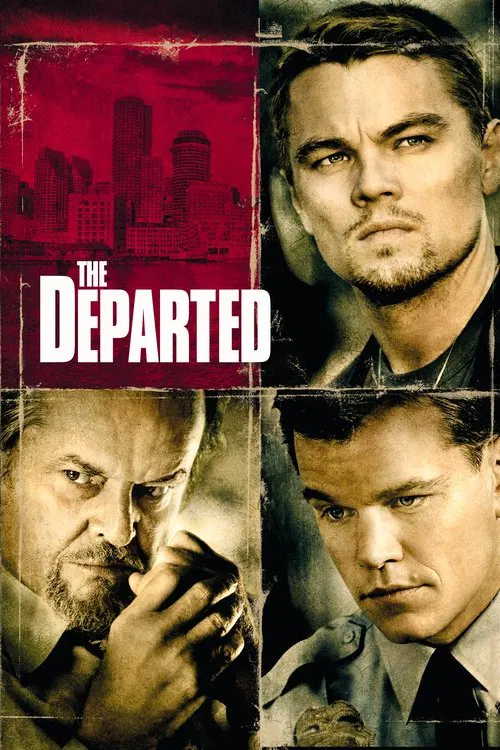
Films that share techniques with Cruising include Black Rain (1989), Whiplash (2014), The Departed (2006), Chinatown (1974).