Drama · War · History

The Duellists

Ridley Scott, 1977

Two officers in Napoleon's army, d'Hubert and Feraud, fight a duel after a small dispute and keep fighting for 16 years. D'Hubert wants it to end, while Feraud cannot let go. Based on a Joseph Conrad story. Worth watching as a filmmaker for how Ridley Scott's first feature leans on painting-like images.

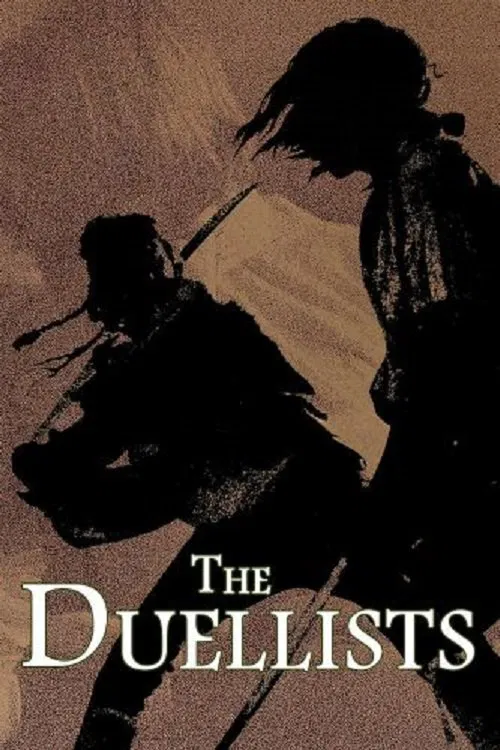
The Duellists (1977) poster

At a glance

The Duellists is a 1977 drama, war and history film directed by Ridley Scott. This breakdown covers 4 techniques (2 narrative, 1 psychology and 1 cinematography), each with the scene where you can see it. If you like how it is made, Amadeus uses several of the same techniques.

Narrative

Obsession as Structural Engine

Building the whole plot on one character's fixation with a person, goal or rival. Every scene ties back to it, and the obsession keeps feeding itself while it destroys them.

How this film uses it

Feraud's need to settle a score drives the whole plot. The duels keep coming back across years, and the Napoleonic Wars barely interrupt them. You see how a fixation can swallow a whole life.

Where to see it

Lubeck duel: D'Hubert slashes Feraud's forehead on horseback in 1806, and Feraud can't go on.
Psychology

Psychological Doubling

Pairing the main character with a second character who mirrors them. The double shows what the hero wants, fears or secretly is.

How this film uses it

One reading is that the two men mirror each other. D'Hubert is calm and wants a normal life, while Feraud lets his pride rule him. Watching them, you see what each might become.

Where to see it

Russian retreat: Forced to work together, d'Hubert offers Feraud a drink from his flask. Feraud walks away without a word.

Narrative

Institutional Honor Critique

Building the story around an institution's code of honor, often a military one, and showing the gap between what it claims and what it does. The code ends up protecting power.

How this film uses it

The army's code of honor is what keeps the duels going. Neither man can quit without losing face. The film shows how a system built to protect pride can wreck the people inside it.

Where to see it

Final duel: Each man has two single-shot pistols. D'Hubert spares Feraud and declares him dead to him.

Cinematography

Painting-Inspired Composition

Composing and lighting shots to echo specific paintings, or building sets in which characters step inside famous artworks. The frames feel like historical art come to life.

How this film uses it

Scott has said he tried to match the lush look of Barry Lyndon, which echoed naturalistic paintings of its time. The last scene references paintings of Napoleon in exile. The images feel like museum pieces, which gives the violence a strange calm.

Where to see it

Final scene: Feraud walks alone through the woods, a shot that references paintings of Napoleon in exile.

Questions

The Duellists: quick answers

What filmmaking techniques does The Duellists use?
CineCode breaks down 4 techniques in The Duellists (1977): Obsession as Structural Engine, Psychological Doubling, Institutional Honor Critique and Painting-Inspired Composition.
Who directed The Duellists?
Ridley Scott directed The Duellists, released in 1977. CineCode also covers Alien (1979), Blade Runner (1982), Legend (1985), Black Rain (1989), Thelma & Louise (1991), 1492: Conquest of Paradise (1992).
What films are similar to The Duellists?
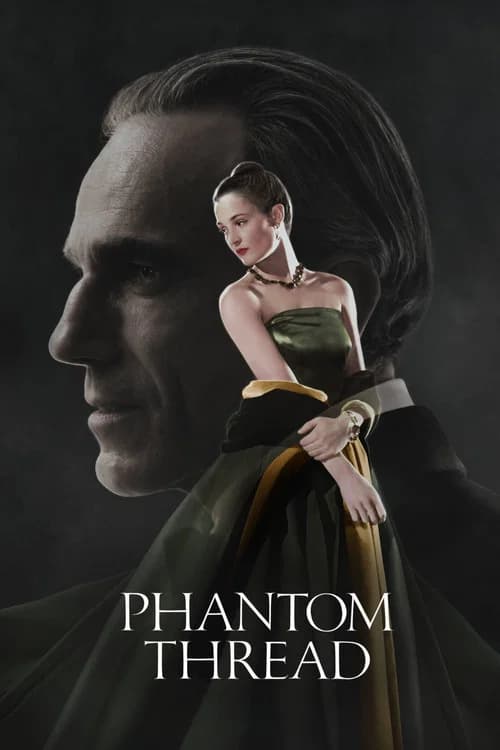
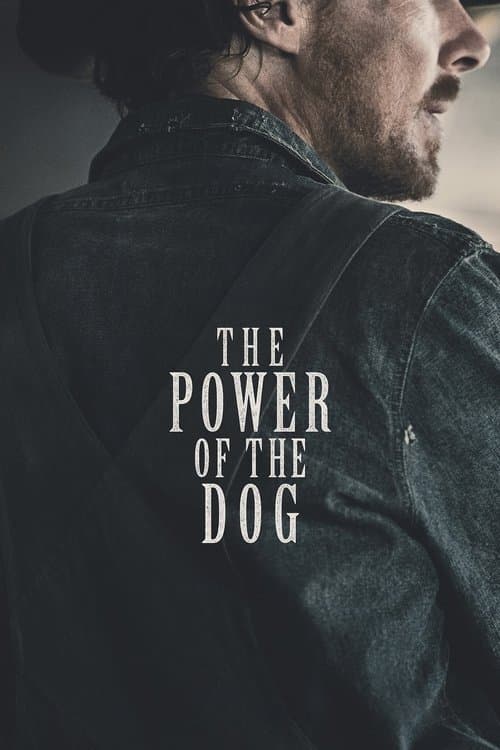
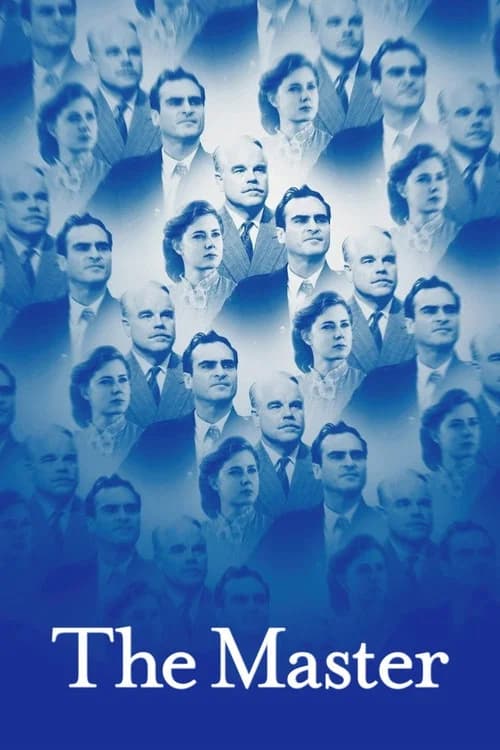
Films that share techniques with The Duellists include Amadeus (1984), Phantom Thread (2017), The Power of the Dog (2021), The Master (2012).