Drama · War · Thriller

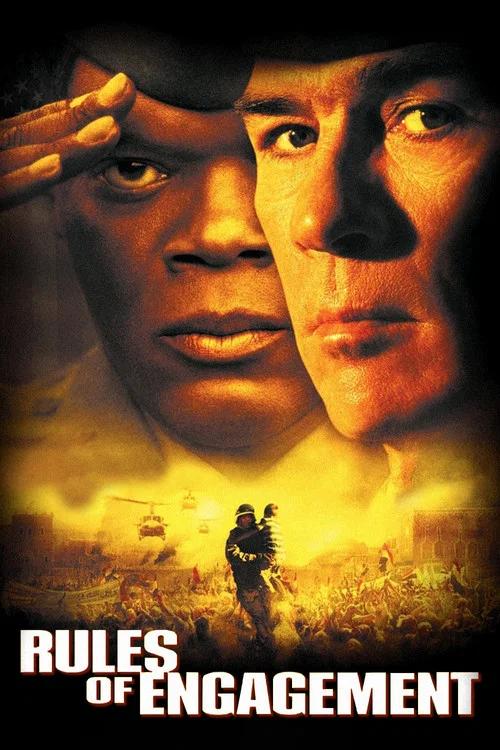
Rules of Engagement

William Friedkin, 2000

After a deadly evacuation of the US embassy in Yemen, Marine Colonel Terry Childers faces a court-martial for ordering his men to fire on a crowd. His old friend Hayes Hodges, a Marine lawyer, has to defend him. It is a courtroom drama where the key evidence is a missing tape.

Rules of Engagement (2000) poster

At a glance

Rules of Engagement is a 2000 drama, war and thriller film directed by William Friedkin. This breakdown covers 5 techniques (3 narrative, 1 cinematography and 1 psychology), each with the scene where you can see it. If you like how it is made, An Officer and a Spy uses several of the same techniques.

Narrative

Self-Contained Prologue

Opening with a short separate sequence, such as a fable, origin scene or overture, that sets tone and theme before the main story begins.

How this film uses it

The film opens in Vietnam in 1968. You see Childers save Hodges by executing a prisoner to scare a captured officer. That scene sets up why Hodges owes Childers and what Childers is capable of, long before the trial starts.

Where to see it

The 1968 Vietnam ambush. After a disastrous advance, Childers executes a North Vietnamese prisoner to force an officer to call off the attack.
Cinematography

Location Stand-In

Shooting a scene in one place and dressing it to pass for another, such as a stadium that stands in for an embassy. You accept the fiction as long as the details look right.

How this film uses it

The Yemen scenes were shot in Ouarzazate, Morocco. The film dresses a Moroccan location to look like the embassy and its crowded streets. You accept the setting as long as the crowd and the buildings look right.

Where to see it

The embassy evacuation. A protest turns violent and the Marines go in to evacuate the ambassador, and Childers orders his men to fire on the crowd.

Narrative

Legal Theater

Staging a trial as a performance, with testimony and cross-examination played like theater. The rules can bring out the truth, or they can hide a verdict that was decided in advance.

How this film uses it

The trial is built as a face-off. Hodges brings a shipping manifest to show a security tape reached the National Security Advisor's office and vanished. On the stand, Childers admits under cross-examination that he gave the order to fire.

Where to see it

The court-martial testimony. Childers is cross-examined and admits he ordered the shooting, while Colonel Cao also testifies about the execution in Vietnam.

Narrative

Institutional Honor Critique

Building the story around an institution's code of honor, often a military one, and showing the gap between what it claims and what it does. The code ends up protecting power.

How this film uses it

The film shows an institution protecting itself. National Security Advisor Bill Sokal destroys the tape and pressures the ambassador to lie so that Childers takes the blame. The Marine code of loyalty gets used against the man who followed it.

Where to see it

Hodges tracing the missing tape. His shipping manifest shows the tape was delivered to Sokal's office and then disappeared.

Psychology

Shared Secret Guilt

Binding several characters together through a secret wrong that they hold, confess or hide. The guilt is spread among them and shapes how they treat one another.

How this film uses it

Hodges and Childers share what happened in Vietnam, and neither can fully say it out loud. When the prosecutor asks Hodges to testify about it, he refuses. The friendship holds because of what they both know.

Where to see it

The prosecutor's request. Mark Biggs asks Hodges to testify about Childers's actions in Vietnam, and Hodges declines.

Questions

Rules of Engagement: quick answers

What filmmaking techniques does Rules of Engagement use?
CineCode breaks down 5 techniques in Rules of Engagement (2000): Self-Contained Prologue, Location Stand-In, Legal Theater, Institutional Honor Critique and Shared Secret Guilt.
Who directed Rules of Engagement?
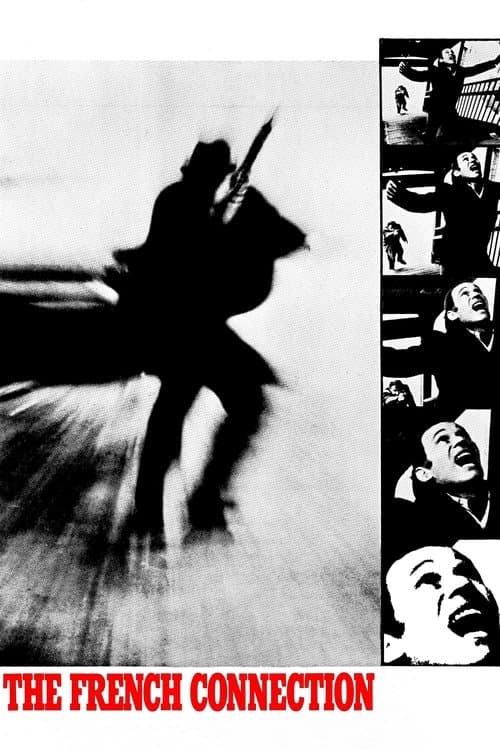
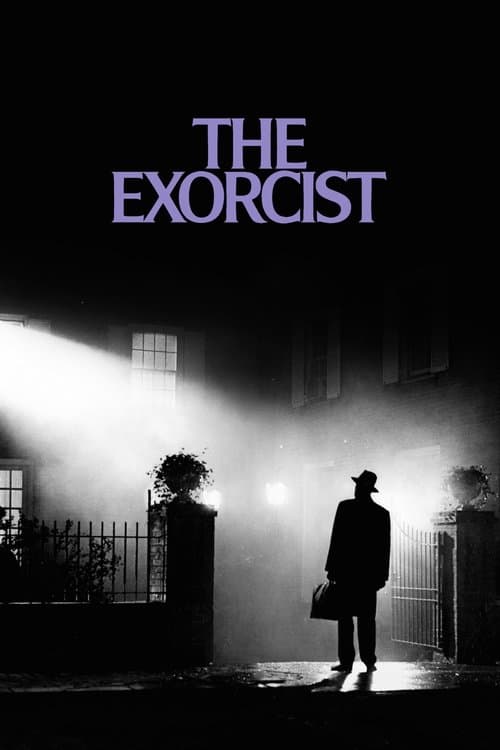
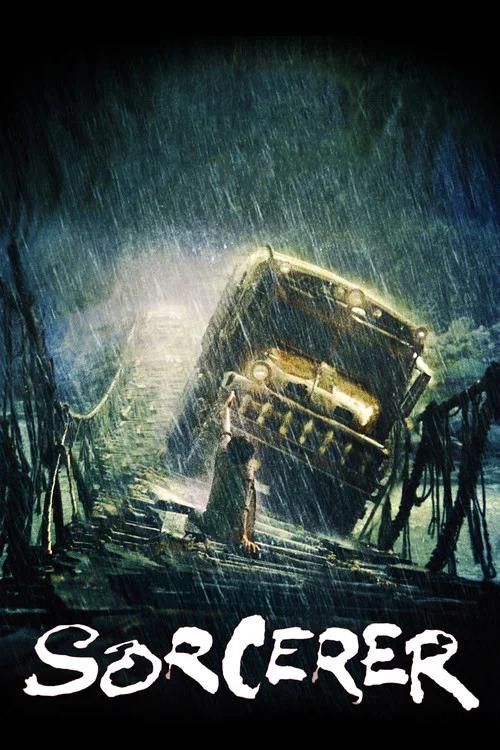
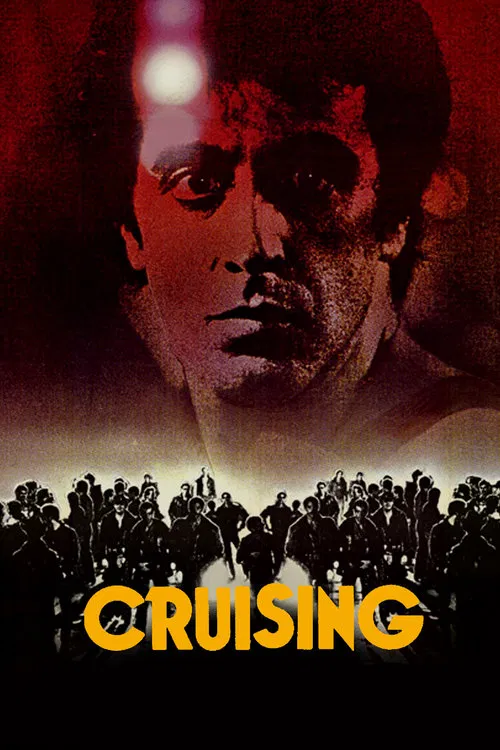
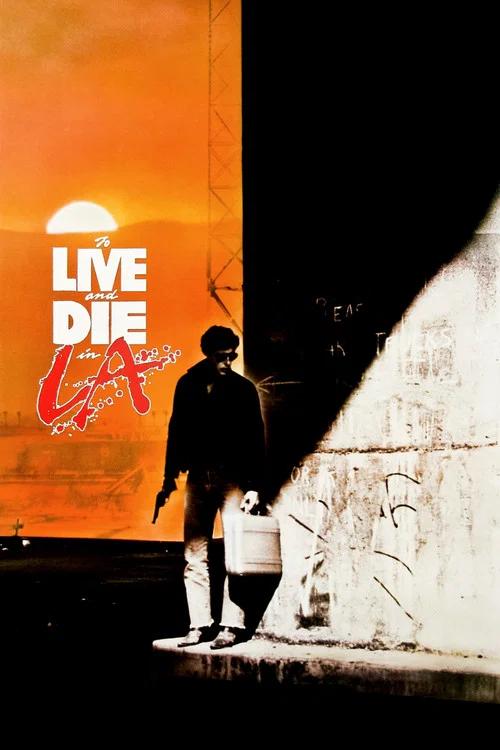
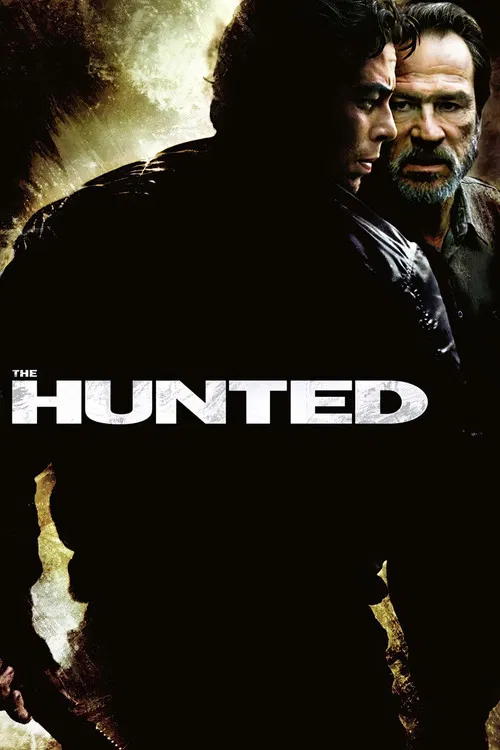
William Friedkin directed Rules of Engagement, released in 2000. CineCode also covers The French Connection (1971), The Exorcist (1973), Sorcerer (1977), Cruising (1980), To Live and Die in L.A. (1985), The Hunted (2003).
What films are similar to Rules of Engagement?
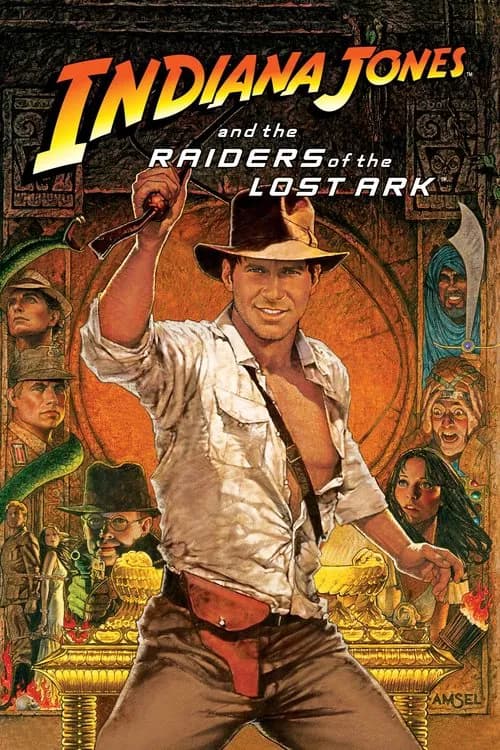
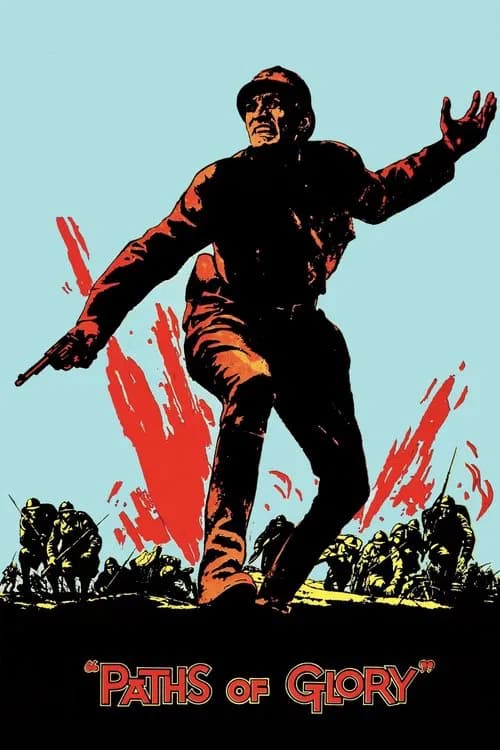
Films that share techniques with Rules of Engagement include An Officer and a Spy (2019), Sleepers (1996), Harakiri (1962), Raiders of the Lost Ark (1981).