Fantasy · Comedy · Drama

City of Women

Federico Fellini, 1980

A man named Snaporaz follows a woman off a train and into a hotel full of feminists, then into a strange mansion and a series of nightmare trials. Worth watching for how Fellini turns one man's anxiety about women into a surreal carnival.

City of Women (1980) poster

At a glance

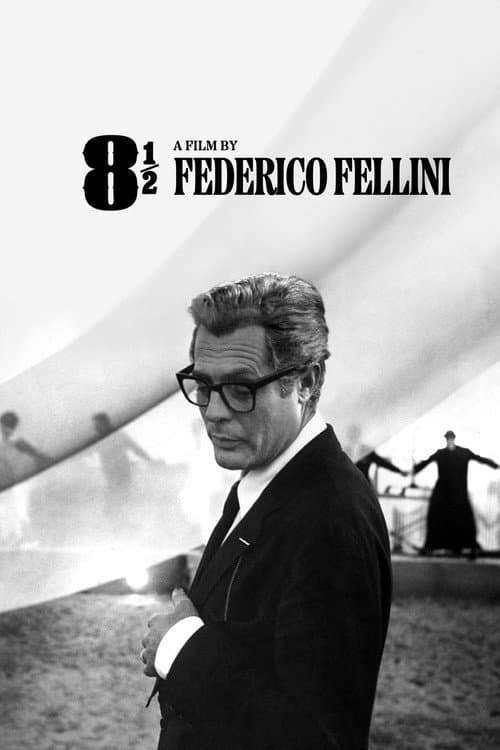
City of Women is a 1980 fantasy, comedy and drama film directed by Federico Fellini. This breakdown covers 5 techniques (3 narrative, 1 cinematography and 1 psychology), each with the scene where you can see it. If you like how it is made, 8½ uses several of the same techniques.

Narrative

Dream Logic Structure

Arranging scenes the way a dream moves, where one image leads to the next by feeling or association. Events don't follow normal cause and effect.

How this film uses it

One strange scene leads to the next by feeling, not by plot. The roller-skating escape, the mansion and the trial all follow a dreamer's logic.

Where to see it

The gymnasium: Donatella forces Snaporaz into roller skates and angry women circle him, and he stumbles on through a furnace room and a farm before he reaches Katzone's mansion.

Narrative

Community as Tribunal

Showing a community turn into its own informal court, outside the legal system. Mob logic and social pressure take the place of legal process, the same way a rumor hardens into a conviction.

How this film uses it

Marcello Mastroianni's Snaporaz faces a female court that judges his masculinity. The film turns his fears into a comic, uncomfortable show.

Where to see it

The dream trial: after the toboggan slide past his childhood crushes, a female court judges Snaporaz.

Cinematography

Production Design as Psychological Space

Designing the sets to reflect what is going on inside a character. The place they live in tells you things about them that the dialogue doesn't.

How this film uses it

The mansion of Dr. Katzone has walls covered in photographs of his sexual conquests. The set shows the host's vanity in one glance.

Where to see it

Katzone's mansion: Snaporaz walks among the photographs before a lavish party.

Narrative

Circular Structure

Ending the film where it started, or with a scene that echoes the opening. The repeat shows what has changed, or suggests the cycle will keep going.

How this film uses it

The film begins on a train and ends back there. The return tells you the whole adventure may have been in Snaporaz's head.

Where to see it

The ending: he wakes on the train as it enters a tunnel.

Psychology

Unreliable Reality

Keeping it unclear what is real and what is imagined in the film's world. You end up as unsure as the main character.

How this film uses it

Snaporaz follows a woman off a train, and the film keeps slipping between hotel, mansion and nightmare. At the end, you learn it was a dream.

Where to see it

The balloon: Snaporaz climbs a boxing ring toward a balloon shaped like Donatella, who shoots it down before he wakes.

Questions

City of Women: quick answers

What filmmaking techniques does City of Women use?
CineCode breaks down 5 techniques in City of Women (1980): Dream Logic Structure, Community as Tribunal, Production Design as Psychological Space, Circular Structure and Unreliable Reality.
Who directed City of Women?
Federico Fellini directed City of Women, released in 1980. CineCode also covers I Vitelloni (1953), La Strada (1954), Nights of Cabiria (1957), La Dolce Vita (1960), 8½ (1963), Juliet of the Spirits (1965).
What films are similar to City of Women?
Films that share techniques with City of Women include 8½ (1963), Synecdoche, New York (2008), Twelve Monkeys (1995), Stalker (1979).