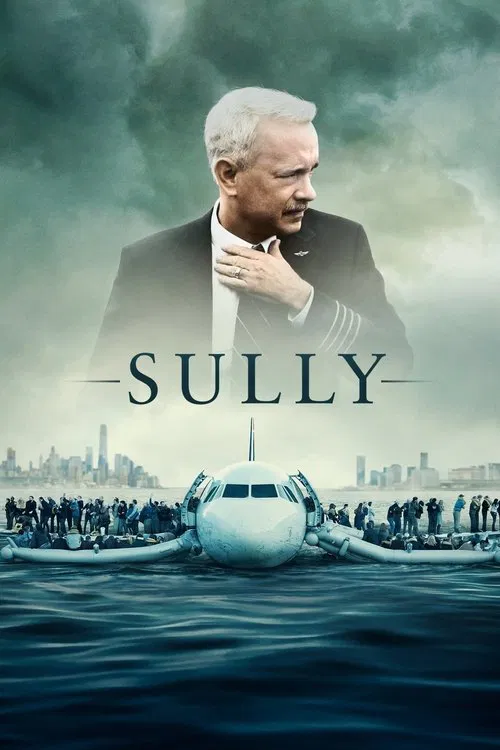
After Captain Chesley Sullenberger lands a disabled airliner on the Hudson River and saves all 155 people on board, investigators suggest he could have made it back to an airport. The film tells the story of the days after the landing. Look at how it replays the same few minutes until you understand what he knew.
Sully is a 2016 drama and history film directed by Clint Eastwood. This breakdown covers 4 techniques (1 editing, 2 psychology and 1 narrative), each with the scene where you can see it. If you like how it is made, Paths of Glory uses several of the same techniques.
Showing the same event again from a different position, character or time. Each replay adds or changes information and shifts what the audience believes.
How this film uses it
The landing is shown more than once, from different angles and in different tests. In the NTSB simulations the plane lands safely at the airports. When the 35-second pause is added, the same flight ends in a crash. Each replay changes what you believe.
Where to see it
Simulation reruns: the NTSB reruns simulations with live pilots, who succeed after practice. With a 35-second delay added, the LaGuardia rerun crash-lands short of the runway and the Teterboro rerun hits buildings.
Putting an innocent person under blame or suspicion and showing the damage it does to them and those near them. The accusation distorts the community's judgment.
How this film uses it
A hero is now told he may have made a mistake. Sully fears pilot error will destroy his reputation and career. The pressure falls on his family too, as the press hounds them.
Where to see it
NTSB meeting: preliminary data suggest the left engine was still at idle power and the NTSB says simulations show he could have landed at an airport. Sully and Jeff insist otherwise.
Staging a trial as a performance, with testimony and cross-examination played like theater. The rules can bring out the truth, or they can hide a verdict that was decided in advance.
How this film uses it
The investigation plays like a duel. Sully argues that the simulations ignore human factors like surprise and the time needed to decide. The final hearing turns data and a cockpit recording into drama.
Where to see it
Hearing: Sully says the simulations are unrealistic because the pilots knew the situation in advance. The NTSB then reruns them with a pause, and after the cockpit voice recording is heard, the recovered left engine confirms his account.
Repeating a specific image, color or pattern that sets off a character's buried trauma. You feel their panic before you learn what it comes from.
How this film uses it
Sully's mind keeps going back to the crash after he has saved everyone. He pictures what could have happened, a plane hitting the city. The film puts that fear on screen so you feel the weight on him.
Where to see it
Aftermath: Sully is heralded as a hero but experiences aftereffects and cannot escape the attention of the press. He keeps replaying the crash in his mind.
Questions
Sully: quick answers
What filmmaking techniques does Sully use?
CineCode breaks down 4 techniques in Sully (2016): Repeated Event Retelling, Wrongful Accusation Pressure, Legal Theater and Trauma Trigger Imagery.
Who directed Sully?
Clint Eastwood directed Sully, released in 2016. CineCode also covers Unforgiven (1992), Mystic River (2003), Million Dollar Baby (2004), Gran Torino (2008), Changeling (2008), Invictus (2009).
What films are similar to Sully?
Films that share techniques with Sully include Paths of Glory (1957), The Hunt (2012), A Separation (2011), Witness for the Prosecution (1957).