Crime · Drama · Mystery

Mystic River

Clint Eastwood, 2003

Three boyhood friends in Boston are split apart when one is abducted. Twenty-five years later, the murder of one man's daughter brings them back together, as a victim, a cop and a grieving father. Watch how a whodunit slowly becomes a story about what the neighborhood does to its own.

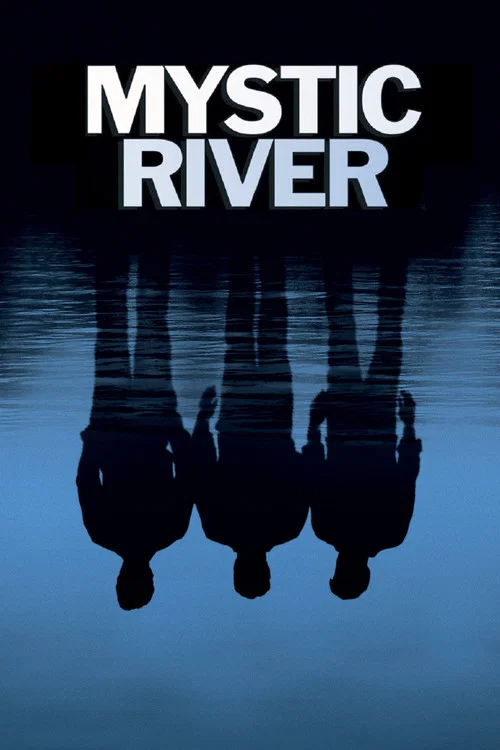
Mystic River (2003) poster

At a glance

Mystic River is a 2003 crime, drama and mystery film directed by Clint Eastwood. This breakdown covers 5 techniques (3 narrative, 1 psychology and 1 cinematography), each with the scene where you can see it. If you like how it is made, Gran Torino uses several of the same techniques.

Narrative

Wrong Man Plot

Making an innocent person look guilty through coincidence and circumstantial evidence, while the audience knows or senses the truth. Everyday life turns dangerous because nobody believes them.

How this film uses it

Dave comes home bloodied on the night Katie is killed, and his story keeps changing. Everyone around him sees a likely killer, and the real answer is somewhere else. You watch an innocent man get pushed toward punishment.

Where to see it

Dave's story: Dave says he fought off a mugger and possibly killed him, but Whitey suspects him because his story about his hand keeps changing. Celeste tells Jimmy she suspects Dave is Katie's murderer.
Narrative

Community as Tribunal

Showing a community turn into its own informal court, outside the legal system. Mob logic and social pressure take the place of legal process, the same way a rumor hardens into a conviction.

How this film uses it

Jimmy and his friends take the law into their own hands. They get Dave drunk in a local bar and force a confession out of him. The neighborhood acts as judge and executioner while the police are still working.

Where to see it

Bar confrontation: Jimmy and his friends invite Dave to a local bar, get him drunk and confront him. Jimmy forces Dave to admit to Katie's murder and then kills him and drops his body in the Mystic River.

Narrative

Triangulated Moral Ambiguity

Spreading good and bad qualities across 3 or more characters, where most stories use 2 sides. Nobody is purely the hero or the villain, so you can't easily pick who to root for.

How this film uses it

Jimmy, Sean and Dave each carry some good and some bad. Jimmy is a loving father who commits murder, Sean is a decent detective with a broken marriage and Dave is a victim who has done something terrible. You cannot easily pick a hero.

Where to see it

Parade: near the end, Sean points a finger gun at Jimmy during a local parade. Jimmy shrugs it off.

Psychology

Guilt as Hidden Motive

Letting a character's guilt over a past wrong shape what they do now. The wrong may come out late or only be hinted at, but it colors every choice.

How this film uses it

Dave has a secret that drives his odd behavior. He did kill someone that night, a child molester he found with a child. Because he cannot tell the truth, he looks more guilty.

Where to see it

Dave's confession: Dave tells Jimmy he killed someone the night of Katie's murder, a child molester he found with a sex-trafficked child. Jimmy does not believe him.

Cinematography

Working-Class Geography

Using specific working-class parts of a city, like its bars, docks and construction sites, to define the characters. The places show who they are expected to be and what leaving would cost.

How this film uses it

The story belongs to an Irish-American neighborhood in Boston, with its street hockey, convenience stores and local bars. The film was shot on location in Boston. The place shapes what the three friends become.

Where to see it

Charlestown prologue: in 1975 the three friends write their names in wet concrete on the sidewalk before Dave is abducted. Twenty-five years later Jimmy owns a neighborhood convenience store.

Questions

Mystic River: quick answers

What filmmaking techniques does Mystic River use?
CineCode breaks down 5 techniques in Mystic River (2003): Wrong Man Plot, Community as Tribunal, Triangulated Moral Ambiguity, Guilt as Hidden Motive and Working-Class Geography.
Who directed Mystic River?
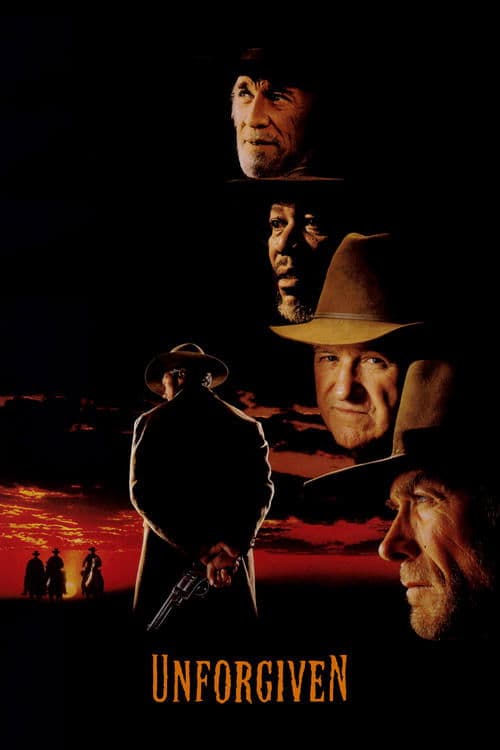
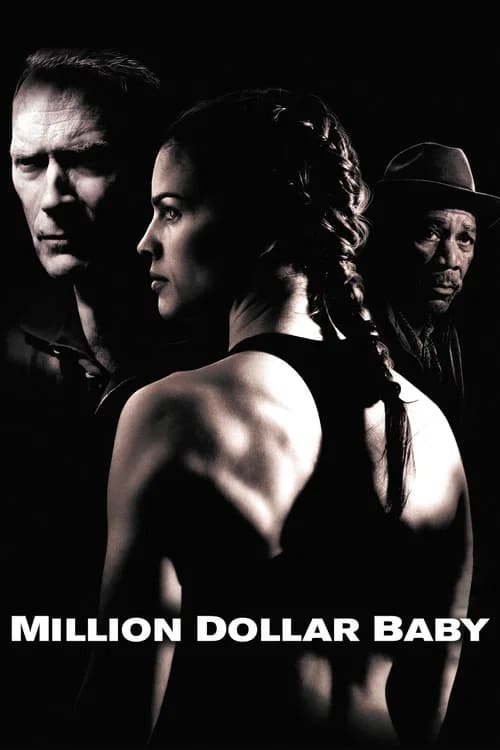
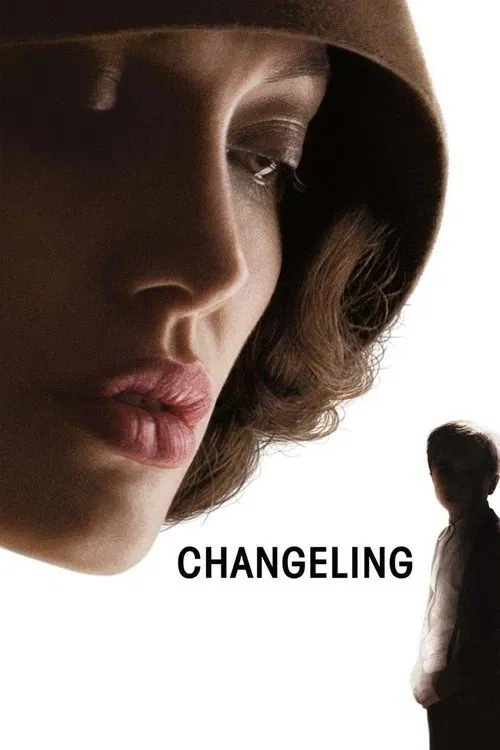
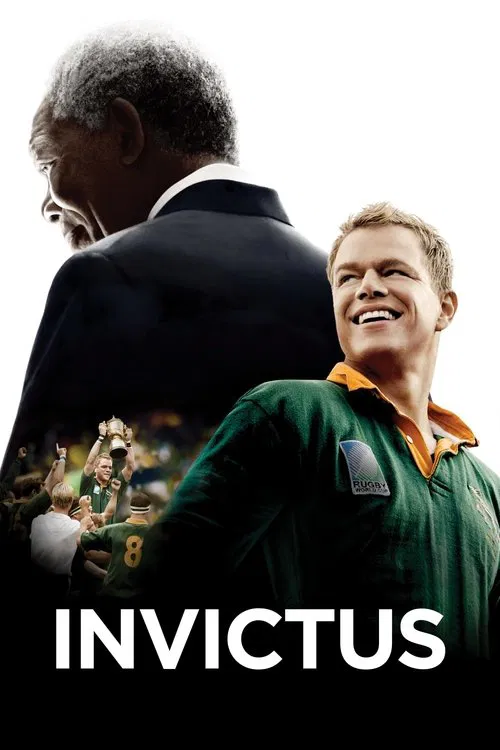
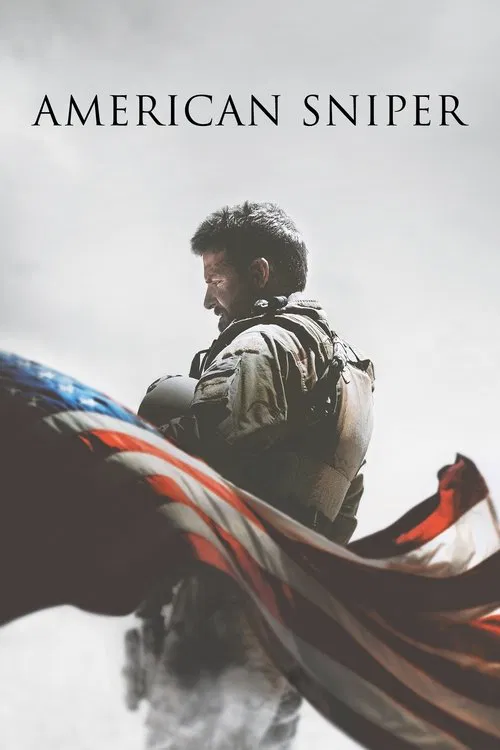
Clint Eastwood directed Mystic River, released in 2003. CineCode also covers Unforgiven (1992), Million Dollar Baby (2004), Gran Torino (2008), Changeling (2008), Invictus (2009), American Sniper (2014).
What films are similar to Mystic River?
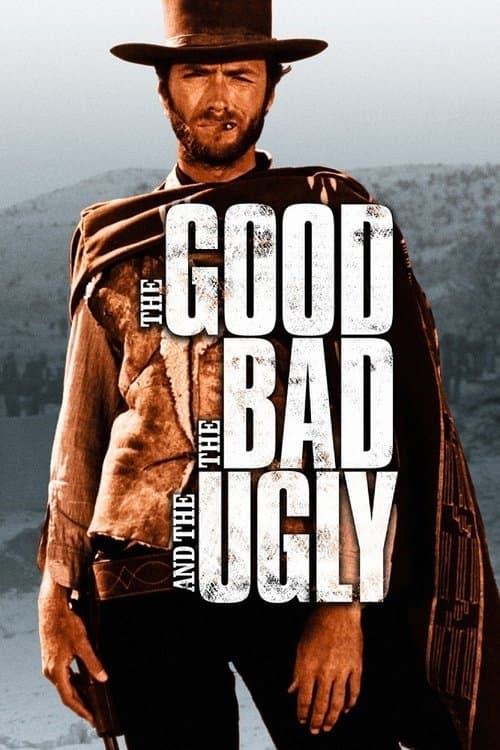
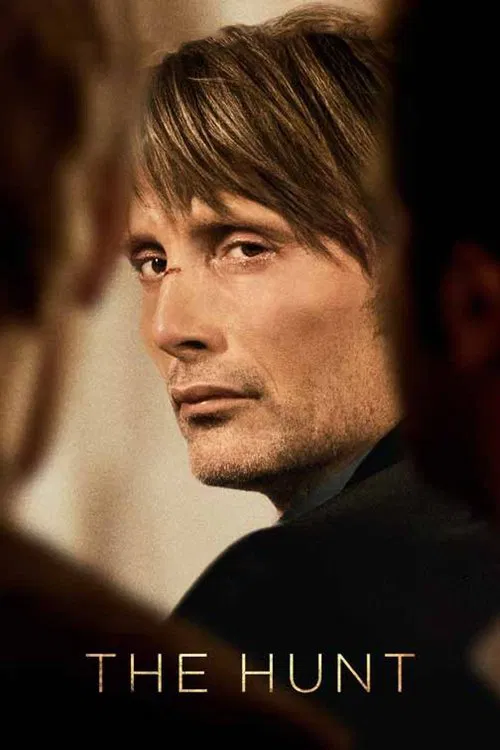
Films that share techniques with Mystic River include Gran Torino (2008), Biutiful (2010), The Good, the Bad and the Ugly (1966), The Hunt (2012).