Animation · Adventure · Family

The Adventures of Tintin

Steven Spielberg, 2011

Young reporter Tintin buys a model ship that hides a secret and soon crosses paths with Captain Haddock, a drunken sailor who holds the next clue. Together they chase a treasure and a villain. For filmmakers, watch how animation lets the camera do things no real camera could.

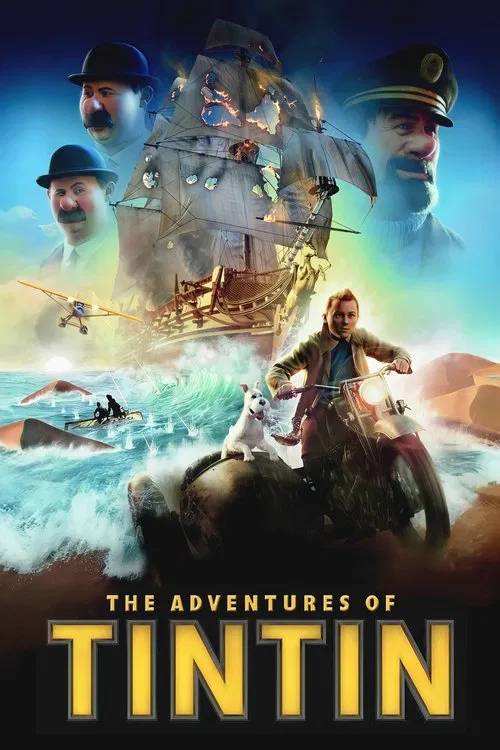
The Adventures of Tintin (2011) poster

At a glance

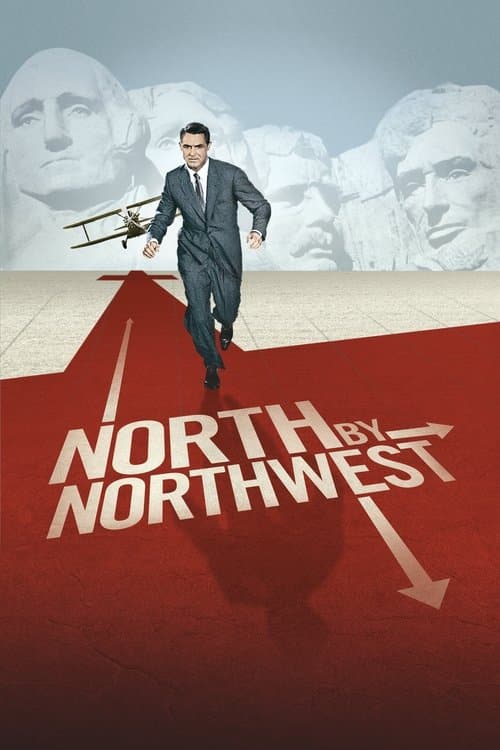
The Adventures of Tintin is a 2011 animation, adventure and family film directed by Steven Spielberg. This breakdown covers 5 techniques (2 cinematography, 2 editing and 1 narrative), each with the scene where you can see it. If you like how it is made, North by Northwest uses several of the same techniques.

Cinematography

Tracking Shot Choreography

Moving the camera in 1 long, unbroken and carefully planned shot that follows the action through several spaces. You see how people fit into their world without a single cut.

How this film uses it

The chase through the city of Bagghar plays as one long, swooping take that follows the heroes through streets, walls and flooding water. The camera never rests between beats. You get the thrill of a live chase without a visible cut.

Where to see it

The Bagghar chase: Tintin, Haddock and Snowy chase a falcon carrying a scroll through the city of Bagghar while a dam bursts.
Editing

Kinetic Set Piece Architecture

Building an action sequence as a chain where each solution creates a new problem. The layout of the space stays clear, so the escalation follows its own logic.

How this film uses it

The harbor fight uses cranes as swords and the boats and docks as obstacles. Each swing takes the action somewhere new. The space is easy to follow even as everything moves.

Where to see it

The crane duel: Haddock and the villain fight across two giant harbor cranes, using the cranes like swords.

Narrative

The MacGuffin

Giving the characters an object, secret or goal that everyone chases. What it actually is barely matters, because its job is to set the characters against each other.

How this film uses it

Three model ships each hide a piece of a clue that leads to a treasure. Everyone chases the pieces. What the scrolls are matters less than how they push people together.

Where to see it

The model ship: Tintin buys a model of the Unicorn at a market, and a secret scroll hidden in it sets off the chase.

Cinematography

Performance Capture

Recording an actor's body and face with sensors, then transferring the movement onto a digital character. The actor's subtle expressions carry over to a creature that does not exist.

How this film uses it

The film's characters are digital, but the actors' faces and movements drive them. Haddock's stumbles and Tintin's sharp reactions come from real performances. You get a cartoon world with human timing.

Where to see it

Haddock in the desert: Haddock, sunburned and thirsty, tells the story of an ancestor, and his comic movements and speech carry the scene.

Editing

Creative Scene Transition

Moving between scenes with an inventive device, such as a blackout, seasonal change, sound bridge or imaginative link. The transition itself carries meaning or mood.

How this film uses it

Haddock tells a sea battle story in the desert, and the sand dunes turn into waves as he talks. The camera merges his memory with what is around him. It tells you how vividly he sees it.

Where to see it

The ancestor's story: Haddock recounts the battle of an ancestor, and the desert shifts into ocean waves and ships.

Questions

The Adventures of Tintin: quick answers

What filmmaking techniques does The Adventures of Tintin use?
CineCode breaks down 5 techniques in The Adventures of Tintin (2011): Tracking Shot Choreography, Kinetic Set Piece Architecture, The MacGuffin, Performance Capture and Creative Scene Transition.
Who directed The Adventures of Tintin?
Steven Spielberg directed The Adventures of Tintin, released in 2011. CineCode also covers Duel (1971), Jaws (1975), Close Encounters of the Third Kind (1977), 1941 (1979), Raiders of the Lost Ark (1981), E.T. the Extra-Terrestrial (1982).
What films are similar to The Adventures of Tintin?
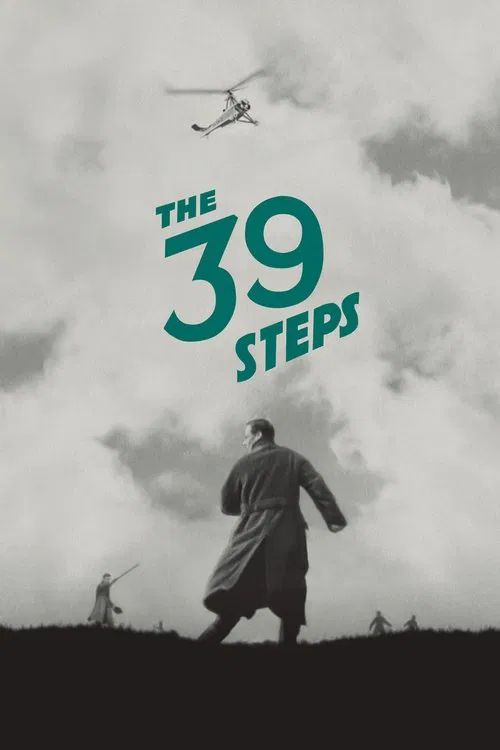
Films that share techniques with The Adventures of Tintin include North by Northwest (1959), The 39 Steps (1935), Torn Curtain (1966), Avatar: The Way of Water (2022).