Fantasy · Adventure · Comedy

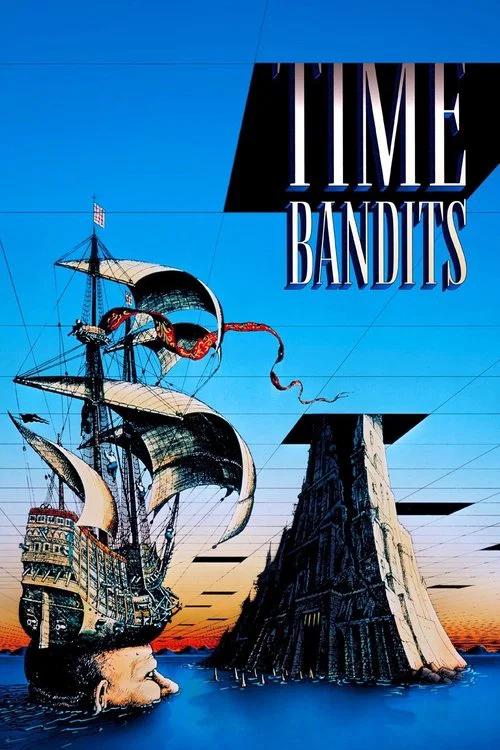
Time Bandits

Terry Gilliam, 1981

Eleven-year-old Kevin is carried off through time by six thieving dwarfs who have stolen the Supreme Being's map of holes in time. They visit Napoleon and Robin Hood while a cosmic evil hunts the map. Gilliam turns a child's history lesson into a runaway adventure and slips sharp jokes about grown-ups in.

Time Bandits (1981) poster

At a glance

Time Bandits is a 1981 fantasy, adventure and comedy film directed by Terry Gilliam. This breakdown covers 5 techniques (3 narrative, 1 cinematography and 1 editing), each with the scene where you can see it. If you like how it is made, Brazil uses several of the same techniques.

Narrative

The MacGuffin

Giving the characters an object, secret or goal that everyone chases. What it actually is barely matters, because its job is to set the characters against each other.

How this film uses it

Everyone wants the map. The dwarfs steal it, the Supreme Being demands it back and Evil schemes to take it. What the map does matters less than the chase it starts.

Where to see it

Kevin's bedroom. Six dwarfs spill out of the wardrobe with the stolen map, and the floating head of the Supreme Being demands it back.
Narrative

Picaresque Structure

Telling the story as a loose string of separate adventures, often following a low-status hero through different levels of society. With no single plot, the episodes add up to a portrait of a world.

How this film uses it

Kevin and the gang hop from one era to the next. They land in the Battle of Castiglione, then meet Napoleon, Robin Hood and others. Each stop is its own short story, and together they feel like a child's view of history.

Where to see it

The jump to Italy. Kevin follows the gang through the portal and lands in the Battle of Castiglione.

Narrative

Environmental Satire

Mocking a specific world, such as an industry, an institution or consumer culture, by exaggerating what is already there. A sci-fi future built from present trends can do this with no direct argument.

How this film uses it

Kevin's parents care only about the latest household gadgets. Gilliam makes them shallow and loud, and the ending makes them pay for it. They ignore Kevin's warning and touch a piece of Evil.

Where to see it

The house fire ending. Kevin's parents touch a smoldering rock in the toaster oven despite his warning and explode, leaving only their shoes.

Cinematography

Production Design as Psychological Space

Designing the sets to reflect what is going on inside a character. The place they live in tells you things about them that the dialogue doesn't.

How this film uses it

Kevin's bedroom is where his imagination escapes a dull home. A knight bursts out of the wardrobe and the wall becomes a forest. The room shows a boy who wants a bigger world.

Where to see it

The knight in the wardrobe. A rider on horseback bursts from the wardrobe and gallops into a forest where the bedroom wall was.

Editing

Creative Scene Transition

Moving between scenes with an inventive device, such as a blackout, seasonal change, sound bridge or imaginative link. The transition itself carries meaning or mood.

How this film uses it

The map's holes in time act as doors between worlds. The gang falls through one and arrives somewhere new with no warning. The cut itself is part of the joke and the thrill.

Where to see it

The portal in Kevin's room. The dwarfs lead him down a long corridor to a portal, and he follows them into another time.

Questions

Time Bandits: quick answers

What filmmaking techniques does Time Bandits use?
CineCode breaks down 5 techniques in Time Bandits (1981): The MacGuffin, Picaresque Structure, Environmental Satire, Production Design as Psychological Space and Creative Scene Transition.
Who directed Time Bandits?
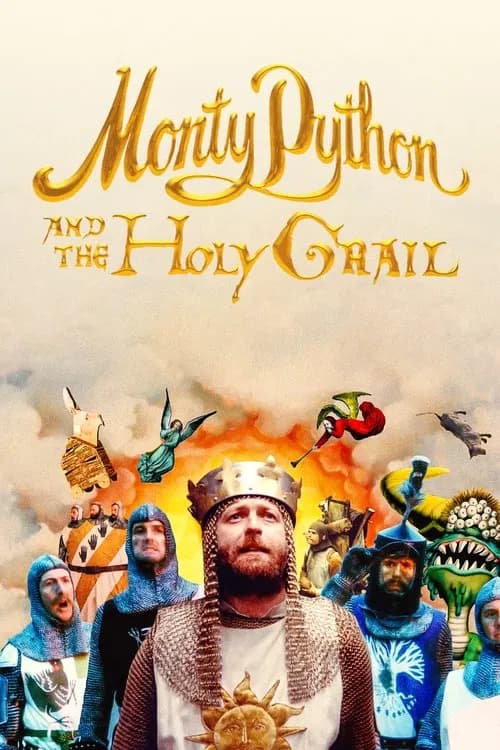
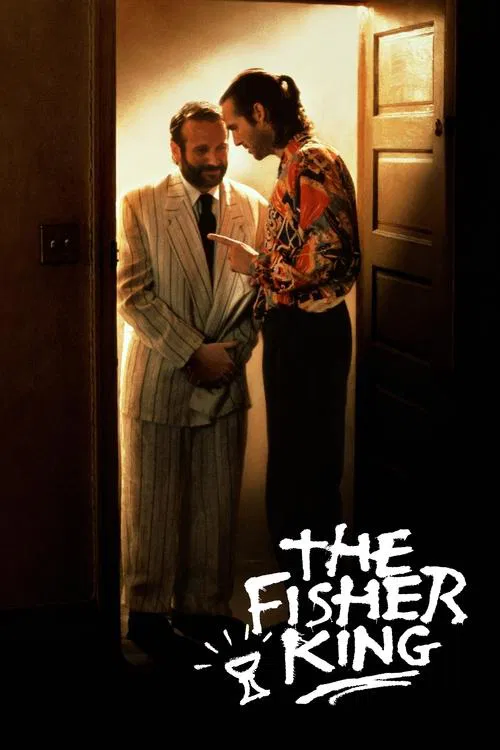
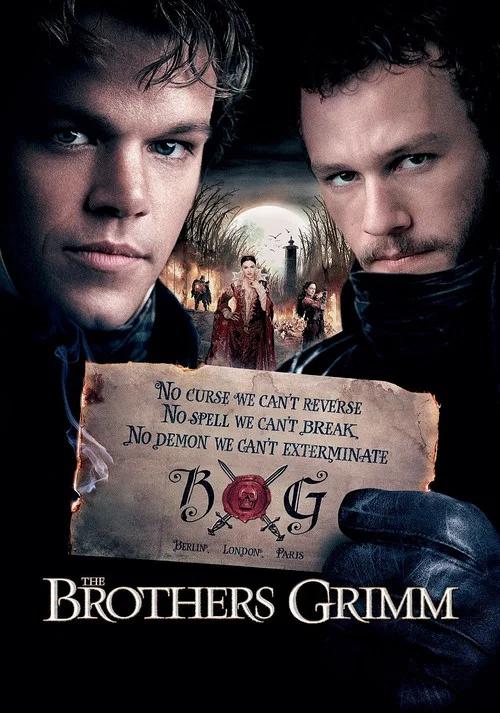
Terry Gilliam directed Time Bandits, released in 1981. CineCode also covers Monty Python and the Holy Grail (1975), Brazil (1985), The Fisher King (1991), Twelve Monkeys (1995), Fear and Loathing in Las Vegas (1998), The Brothers Grimm (2005).
What films are similar to Time Bandits?
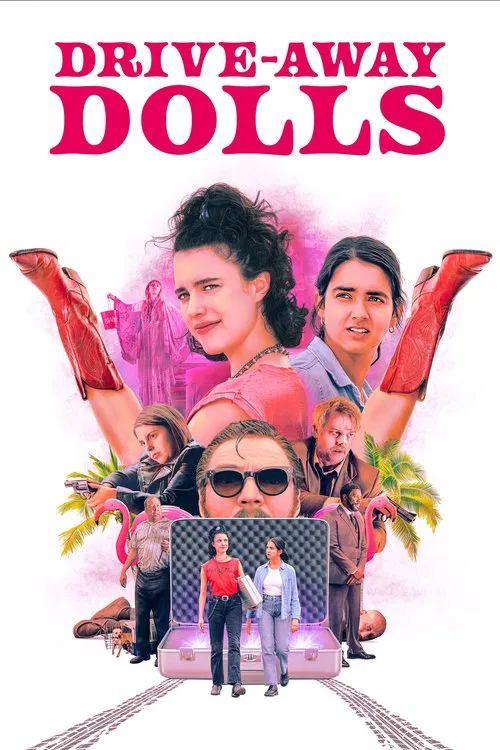
Films that share techniques with Time Bandits include Brazil (1985), The 39 Steps (1935), Drive-Away Dolls (2024), Cries and Whispers (1972).